Advantages of Power Factor Improvement
Power factor improvement and correction involve enhancing the power factor of an electrical system by minimizing reactive power consumption. This can be accomplished through multiple strategies, such as installing power factor correction capacitors, utilizing synchronous motors, implementing static VAR compensators, using phase advancers, or optimizing the design of the electrical system. The benefits of power factor improvement and correction are numerous and far - reaching:
1. Increased Efficiency
Power factor correction significantly reduces the reactive power within the system. As a result, the total power drawn from the utility decreases. This translates to lower energy consumption, directly leading to reduced electricity bills for consumers. By optimizing the power usage, businesses and households can achieve substantial cost savings over time.
2. Reduced Voltage Drop
A low power factor can cause significant voltage drops in the electrical system. These voltage drops pose risks to equipment, potentially causing damage, shortening the equipment's lifespan, and degrading overall system performance. Power factor correction effectively mitigates voltage drops, ensuring stable voltage levels. This stability not only enhances system performance but also extends the operational life of electrical equipment, reducing maintenance and replacement costs.
3. Smaller Conductor Size
Improving the power factor leads to a decrease in the amount of current flowing through the electrical conductors. Consequently, smaller - sized conductors can be used without compromising the system's performance. This reduction in conductor size results in lower costs for copper cables and wires, providing a cost - effective solution for electrical installations.
4. Reduced Line Losses
Power factor improvement plays a crucial role in minimizing line losses, often referred to as \(I^{2}R\) losses or copper losses. By decreasing the reactive power component, the overall current in the system is reduced. Since line losses are proportional to the square of the current, a lower current results in significantly reduced losses, improving the overall efficiency of the electrical distribution network.
5. Smaller - Sized Electrical Machines
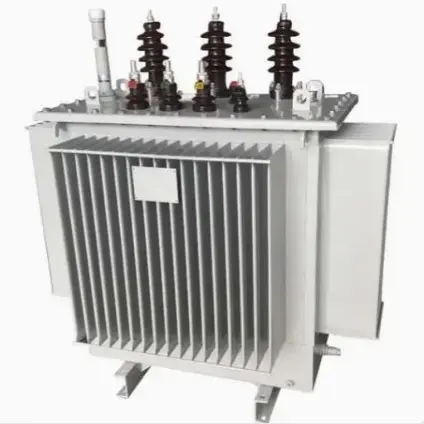
In electrical systems with a high power factor, machines such as motors, transformers, and generators can be designed to be more compact and appropriately sized. In contrast, low - power - factor environments require larger - sized appliances and devices to handle the increased current and inefficiencies. Smaller machines not only occupy less physical space but also tend to have lower manufacturing costs, contributing to overall cost savings in the electrical infrastructure.
6. Lower kWh Requirements
With an improved power factor, the same electrical appliance can operate with a reduced amount of kilowatt - hours (kWh) of energy. This means that less energy is consumed to perform the same amount of work, further enhancing the energy efficiency of the system and leading to additional cost savings on electricity bills.
7. Savings on Power Bills
Correcting the power factor improves the overall efficiency of the electrical system by reducing energy losses. This enhanced efficiency directly translates to lower electricity bills. Whether for industrial, commercial, or residential applications, the savings on power bills can be substantial, making power factor correction a financially beneficial investment.
8. Reduced Costs
Power factor improvement results in significant energy savings, which in turn reduces the operational costs of electrical devices and equipment. The increased efficiency of the system allows for lower - rated equipment to be used for the same level of output, reducing both the initial investment and ongoing energy consumption. These combined factors lead to improved economic performance and a more cost - effective electrical infrastructure.
9. Power Capacity Optimization
Power factor correction helps optimize the capacity of the electrical system. A higher power factor enables more active power to be delivered with the same amount of apparent power. This increased capacity allows the system to handle a greater number of electrical loads without overloading the lines or generators. As a result, the system's performance and reliability are enhanced, and the need for costly upgrades or expansions can be postponed.
10. Compliance with Utility Requirements
Many utility companies enforce penalties on consumers with low power factors, as it can cause inefficiencies in the overall power grid. By implementing power factor correction measures, consumers can ensure compliance with these utility requirements. This not only avoids potential penalties but also helps maintain a good relationship with the utility provider, contributing to a more stable and reliable power supply.
11. Environmental Benefits
Power factor correction reduces the total amount of energy required to operate electrical equipment. Since a significant portion of electrical energy generation relies on fossil fuels, the decreased energy consumption leads to a reduction in greenhouse gas emissions. By implementing power factor correction, businesses and individuals can contribute to environmental sustainability by minimizing their carbon footprint and promoting a cleaner, greener energy future.