• Product
  • Suppliers
  • Manufacturers
  • Solutions
  • Free tools
  • Knowledges
  • Experts
  • Communities
Search


Three-phase asynchronous motor jogging forward and reverse secondary control circuit

Master Electrician
Field: Basic Electrical
0
China

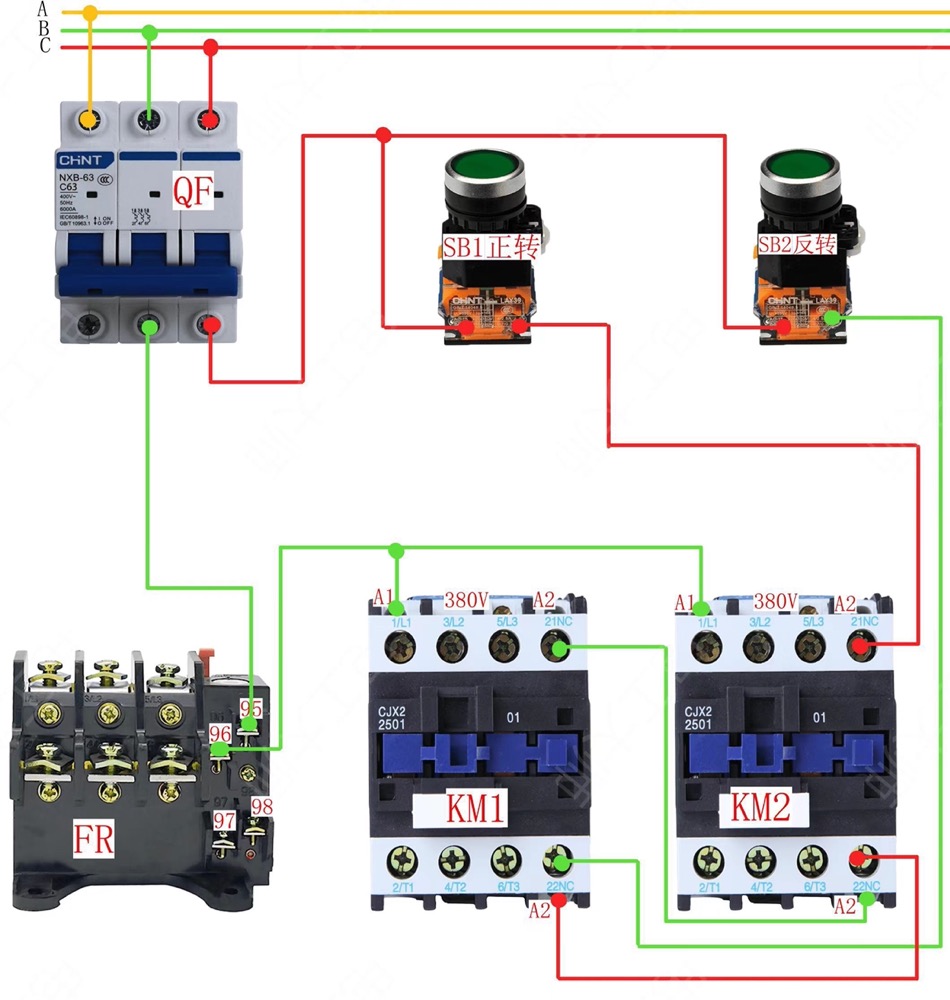
Three-phase asynchronous motor jogging forward and reverse secondary control circuit  

Physical wiring diagram
1719975906520.jpg

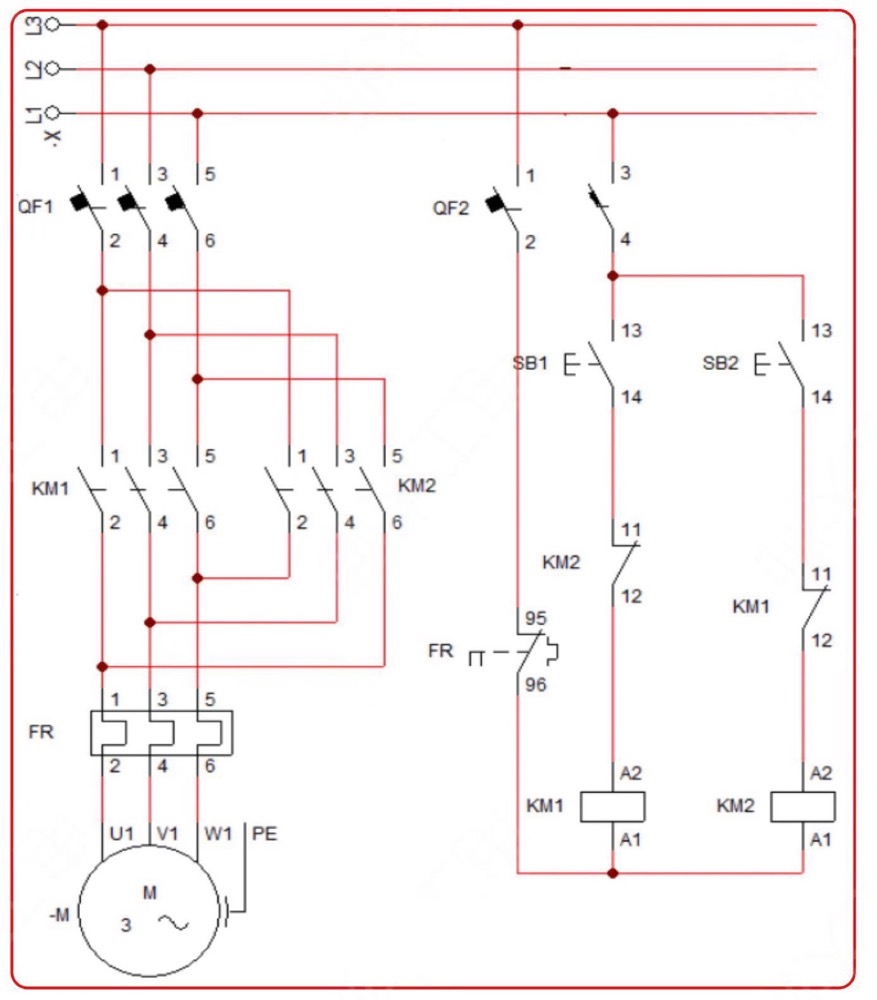
Circuit diagram

1719975985446.jpg


Working Principle:

After closing the circuit breaker QF to connect the power supply, when the SB1 start button is pressed, the current passes through the normally closed point of KM2 to supply power to the KM1 coil, causing the main contact of KM1 to close and the motor to run forward. Once the SB1 button is released, the motor stops immediately.

During the forward rotation of the motor, if the SB2 reverse start button is pressed, KM2 will not be energized. This is because the normally closed point of KM1 is connected in series in the control circuit of KM2, so the KM2 reverse contactor cannot be started when the motor is rotating forward. Only by first releasing the SB1 stop button to stop the forward KM1 AC contactor from being energized, and then pressing SB2, can KM2 work and the motor thus rotates in reverse.

Similarly, when the motor is reversing, if the SB1 forward start button is pressed, KM1 will not be energized. This is because the normally closed point of KM2 is connected in series in the control circuit of KM1, so the KM1 forward contactor cannot be started when the motor is reversing. 


Give a tip and encourage the author!

Recommended

Six Troubleshooting Tips for Stepper Servo Motor Issues
Stepper servo motors, as critical components in industrial automation, directly impact equipment performance through their stability and precision. However, in practical applications, motors may exhibit abnormalities due to parameter configuration, mechanical load, or environmental factors. This article provides systematic solutions for six typical issues, combined with real-world engineering cases, to help technicians quickly identify and resolve problems.1. Abnormal Motor Vibration and NoiseVi
11/06/2025
How to Choose a Thermal Relay for Motor Protection?
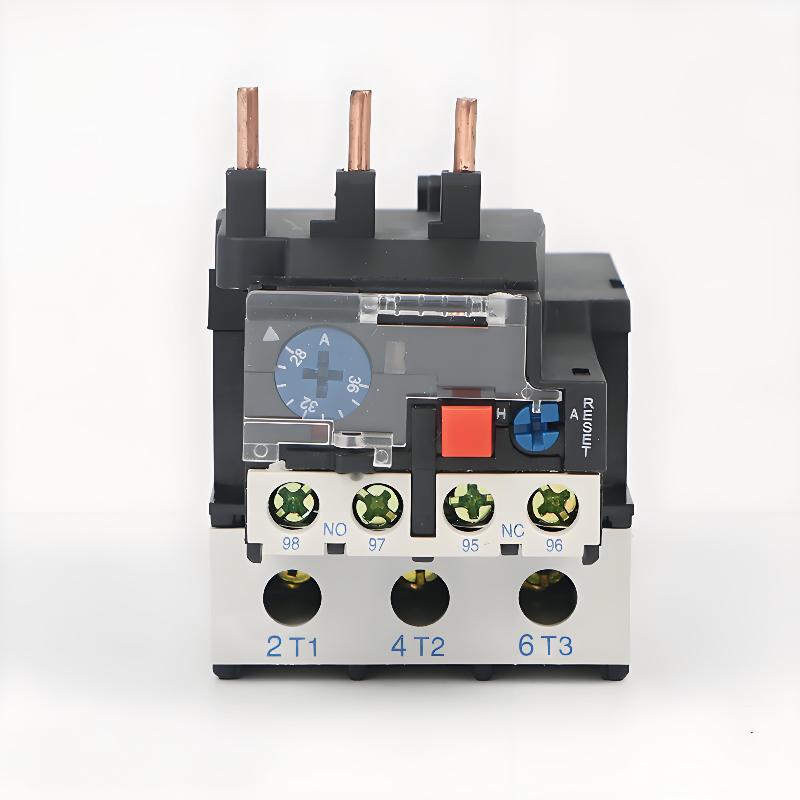
Thermal Relays for Motor Overload Protection: Principles, Selection, and ApplicationIn motor control systems, fuses are primarily used for short-circuit protection. However, they cannot protect against overheating caused by prolonged overloading, frequent forward-reverse operation, or undervoltage operation. Currently, thermal relays are widely used for motor overload protection. A thermal relay is a protective device that operates based on the thermal effect of electric current, and is essentia
10/22/2025
How to Choose & Maintain Electric Motors: 6 Key Steps
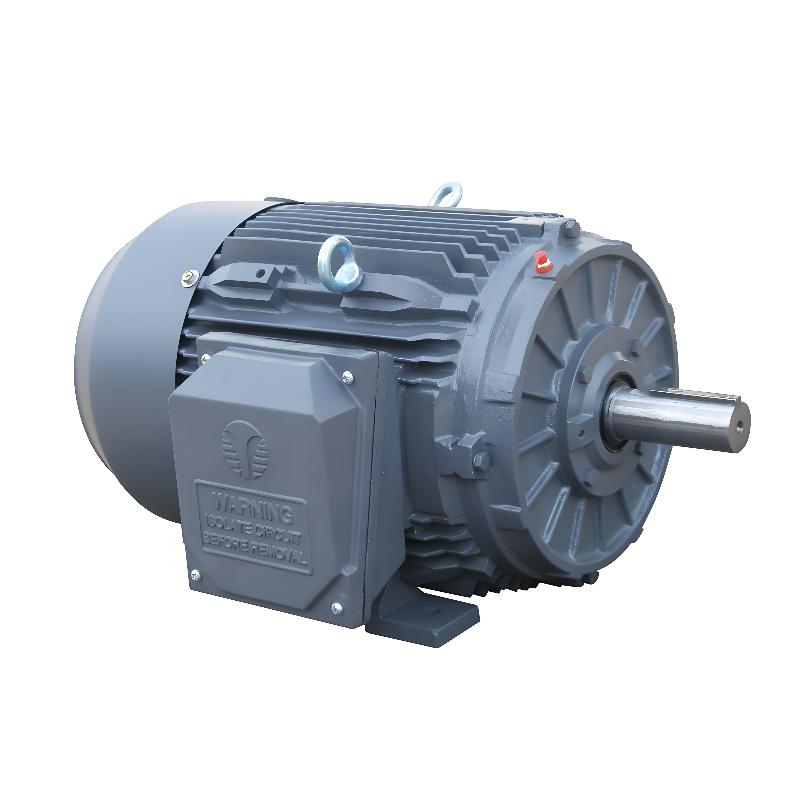
"Selecting a High-Quality Motor" – Remember the Six Key Steps Inspect (Look): Check the motor’s appearanceThe motor’s surface should have a smooth, even paint finish. The nameplate must be properly installed with complete and clear markings, including: model number, serial number, rated power, rated current, rated voltage, allowable temperature rise, connection method, speed, noise level, frequency, protection rating, weight, standard code, duty type, insulation class, manufacturing date, and ma
10/21/2025
How a Single-Stack Variable Reluctance Stepper Motor Works: Stator, Rotor, and Phases
A single-stack variable reluctance stepper motor features a salient-pole stator with concentrated windings mounted directly on the stator poles. The number of phases is determined by the connection configuration of these windings, typically comprising three or four windings. The rotor is constructed from ferromagnetic material and contains no windings.Both the stator and rotor are made of high-quality, high-permeability magnetic materials, requiring only a small exciting current to produce a str
08/14/2025
Send inquiry
+86
Click to upload file
Download
Get the IEE Business Application
Use the IEE-Business app to find equipment, obtain solutions, connect with experts, and participate in industry collaboration anytime, anywhere—fully supporting the development of your power projects and business.