Why Substation Grounding Transformers Trip? Fixes & Installation Guidelines

Substation grounding transformers require high accuracy, excellent anti-interference performance, high safety performance, reasonable structure, and good long-term stability to meet the requirements of substations for ground resistance measurement. At the same time, demands for communication and information processing capabilities of grounding transformers are also increasing, requiring continuous technological innovation and improvement. There can be many reasons for tripping of substation grounding transformers, including internal faults, external short circuits, or overloads.
The following are some common causes of tripping of substation grounding transformers and their solutions:
Overheating: Overheating is one of the main reasons for tripping of substation grounding transformers, which may be caused by poor air circulation, insufficient oil level, oil contamination, loose connections, or internal faults. The solution is to replace the transformer oil in a timely manner, check whether internal connections are loose, and replace overheated faulty components as needed.
Electrical faults: Electrical faults may be caused by external short circuits or internal failures. Electrical faults are usually accompanied by obvious sounds, odors, or sparks. Power should be immediately cut off, and a detailed inspection should be carried out. The solution is to clear the fault point and obstacles, and promptly replace damaged components.
Overload: Overload may be caused by a sudden increase in substation load, system faults, or external short circuits. Overload can cause wires to overheat, burn out, and lead to tripping. The solution is to reduce the load in a timely manner, increase system capacity, and maintain stable system operation.
Protection device failure: Failure of protection devices may cause false tripping of the grounding transformer. Therefore, regular inspection and maintenance should be performed to ensure their normal operation.
In summary, the causes of tripping of substation grounding transformers depend on specific circumstances, and appropriate solutions should be selected according to actual conditions. In addition, regular inspection and maintenance of grounding transformers can reduce the risk of unexpected failures and ensure the reliability and long-term stable operation of the grounding transformer.
The installation specifications for substation grounding transformers mainly include the following aspects:
Installation Location
The grounding transformer should be installed near the grounding point on the high-voltage side of the main transformer, maintaining safe distances from other equipment to prevent interference and ensure safety clearance. At the same time, the grounding transformer should be placed in an ideal environment that considers moisture protection, dust protection, noise isolation, lightning protection, and other factors comprehensively.Installation Method
The installation method of the grounding transformer must consider both the accuracy of ground resistance measurement and the safety and stable operation of the equipment. Therefore, during installation, wiring, grounding, and testing must be strictly carried out according to instructions to ensure secure electrical connections, good insulation performance, prevention of incorrect or wrong connections, and effective anti-corrosion measures for the grounding electrode.Testing Methods
During installation, certain tests must be performed on the grounding transformer to ensure test accuracy and product quality. Generally, grounding resistance testing, verification of installation location, and electrical connection testing are required. Grounding resistance testing should be conducted according to standard procedures to avoid external interference and ensure accurate and reliable results. If any abnormalities are found during testing, the equipment should be repaired or replaced promptly to avoid affecting normal operation.Quality Standards
The quality of the grounding transformer should comply with relevant national or industry standards, as well as meet the special requirements of the substation. For example, the accuracy of the grounding transformer should be above 0.1%, windings should be manufactured using professional techniques, the structure should be robust and durable, and functions such as moisture resistance, dust resistance, and lightning protection should be fully implemented.
In general, the installation of substation grounding transformers must strictly follow standard procedures to ensure the accuracy and stability of the equipment. Attention should be paid to installation location, installation method, testing methods, and quality standards during actual operations to ensure long-term safe operation of the equipment.
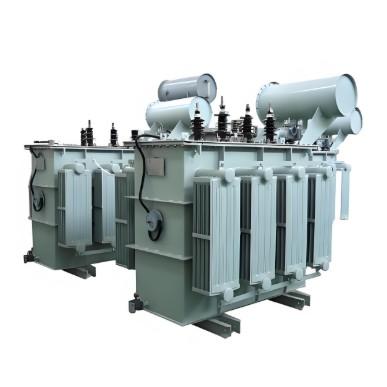
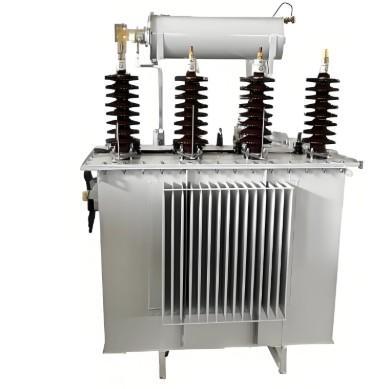
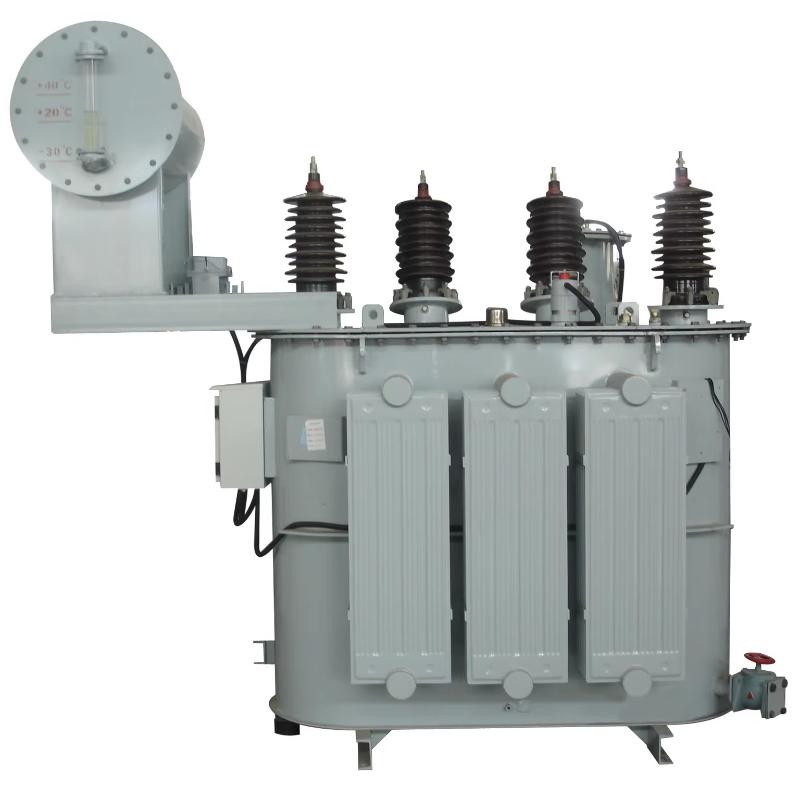
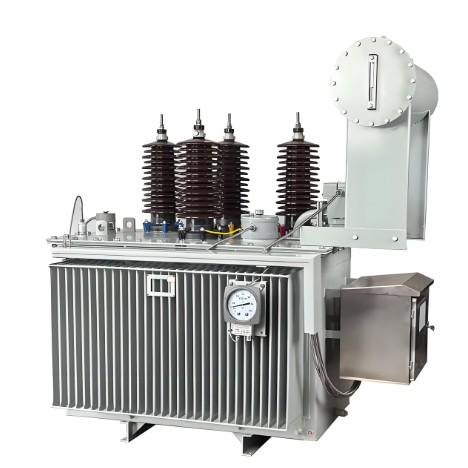
-
Customization Three - phase 11kV 20kV 22kV 30kV grounding/earthing transformers Original Manufacturer

-
20kV 44kV 145kV 150kV Three Phase Oil-Immersed Neutral Earthing Transformer Custom Factory

-
35kV 36kV 44kV 66kV Three Phase Cast Resin Dry Type Zigzag (Z-Type) Grounding Transformer

-
6kV 6.3kV 6.6kV 10kV 10.5kV 11kV Neutral Grounding/earthing Transformer Dry Type Power Transformer direct supply