Electrical Protection: Grounding Transformers and Bus Charging

1. High-Resistance Grounding System
High-resistance grounding can limit ground fault current and appropriately reduce ground overvoltage. However, there is no need to connect a large high-value resistor directly between the generator neutral point and ground. Instead, a small resistor can be used together with a grounding transformer. The primary winding of the grounding transformer is connected between the neutral point and ground, while the secondary winding is connected to a small resistor. According to the formula, the impedance seen on the primary side equals the secondary side resistance multiplied by the square of the transformer turns ratio. Therefore, with a grounding transformer, a small physical resistor can effectively function as a high resistance.
2. Generator Grounding Protection Principle
During generator grounding, there is a voltage between the neutral point and ground. This voltage is applied across the primary winding of the grounding transformer, inducing a corresponding voltage on the secondary side. This secondary voltage can serve as the criterion for generator ground fault protection, allowing the grounding transformer to extract zero-sequence voltage for protection purposes.
3.Generator Shaft Grounding Carbon Brush Function (Turbine Side)
Due to the impossibility of perfectly uniform distribution of the generator stator magnetic field, a potential difference of several volts or higher can develop across the generator rotor. Since the impedance of the circuit formed by the generator rotor, bearings, and earth is very small, significant shaft currents could flow. To prevent the formation of these currents, manufacturers install insulating pads beneath all bearings on the generator exciter side, thereby breaking the shaft current path.
To ensure the generator shaft is at equal potential with ground, preventing electrical corrosion caused by shaft currents.
For grounding protection purposes, avoiding difficulties in monitoring insulation when a single-point ground fault occurs on the rotor.
4.Generator Terminal Carbon Brush Function
The generator excitation current flows through carbon brushes, then via slip rings (commutator) into the rotor winding, creating a rotating magnetic field in the rotor winding.
5.Bus Charging Protection
In a 220kV system, after completion of maintenance on Bus II, when restoring voltage to Bus II by energizing it from Bus I through the bus tie breaker, there is a brief voltage fluctuation during the charging process. Additionally, due to the large charging current, distance protection relays may maloperate. Therefore, bus charging protection must be activated to prevent misoperation and quickly trip the bus tie breaker if necessary.


-
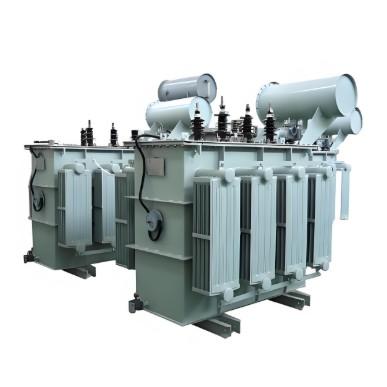
Customization 66kV 88kV 110kV 132kV Three Phase Z-type winding Oil-Immersed Earthing Transformer source manufacturer

-
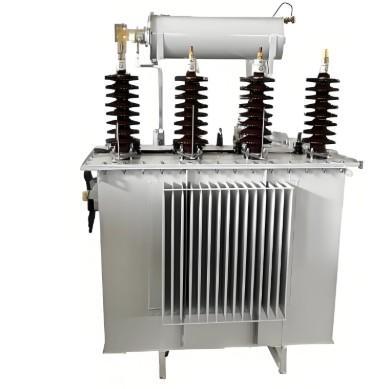
Customization Three - phase 11kV 20kV 22kV 30kV grounding/earthing transformers Original Manufacturer

-
6kV 6.3kV 6.6kV 10kV 10.5kV 11kV Neutral Grounding/earthing Transformer Dry Type Power Transformer direct supply

-
20kV 44kV 145kV 150kV Three Phase Oil-Immersed Neutral Earthing Transformer Custom Factory