Grounding Transformer Types & Winding Connections

Grounding transformer is a special type of transformer primarily used for grounding protection in power systems. The design and winding connection methods of this transformer are crucial to ensuring the safe operation of power systems.
1.Function of Grounding Transformer
The main function of a grounding transformer is to provide grounding protection in power systems. When a ground fault occurs in the system, the grounding transformer helps limit the fault current, thereby protecting equipment and personnel safety.
2.Types of Grounding Transformers
There are several types of grounding transformers, including:
Resonant Grounding Transformer: This transformer limits ground fault current through resonance principle.
High-Impedance Grounding Transformer: This transformer limits fault current by increasing grounding impedance.
Low-Impedance Grounding Transformer: This transformer quickly clears faults by reducing grounding impedance.

3.Winding Connection Methods
The winding connection method of a grounding transformer significantly affects its performance. The following are several common winding connection methods:
3.1 Star-Star (Y-Y) Connection
Advantages: Simple structure, easy maintenance.
Disadvantages: Large ground fault current, may require additional protection measures.
3.2 Star-Delta (Y-Δ) Connection
Advantages: Can limit ground fault current and improve system stability.
Disadvantages: Complex structure, higher cost.
3.3 Star-Open (Y-O) Connection
Advantages: Can provide zero-sequence current, aiding fault detection.
Disadvantages: Requires special protection devices.
3.4 Delta-Delta (Δ-Δ) Connection
Advantages: Can provide high impedance to limit fault current.
Disadvantages: Complex structure, difficult maintenance.
4. Winding Design
The winding design of a grounding transformer needs to consider the following aspects:
Insulation Level: Ensure windings can withstand high voltage.
Conductor Selection: Choose appropriate conductor material and size to meet current and thermal load requirements.
Winding Layout: Optimize winding layout to reduce hysteresis loss and eddy current loss.
5.Protection of Grounding Transformer
Grounding transformers need to be equipped with appropriate protection devices to ensure timely power disconnection during faults. These protection devices include:
Overcurrent Protection: Automatically disconnects power when current exceeds the set value.
Ground Fault Protection: Automatically disconnects power upon detecting a ground fault.
Temperature Protection: Monitors transformer temperature and issues warnings or disconnects power when exceeding the set value.
6.Testing and Maintenance of Grounding Transformer
To ensure the reliability of grounding transformers, regular testing and maintenance are required. This includes:
Insulation Resistance Test: Checks the insulation performance of windings.
Withstand Voltage Test: Tests winding performance under high voltage.
Temperature Monitoring: Regularly checks transformer temperature to ensure it remains within normal range.
Cleaning and Inspection: Regularly cleans the transformer and checks for damage or wear.
7.Conclusion
Grounding transformers are an indispensable part of power systems, and their winding connection methods significantly impact system safety and stability. By selecting appropriate winding connection methods, designing reasonable winding structures, equipping suitable protection devices, and performing regular testing and maintenance, the efficient and safe operation of grounding transformers can be ensured.
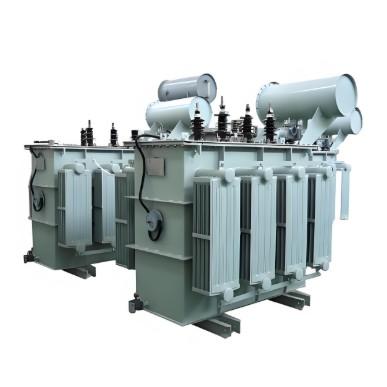
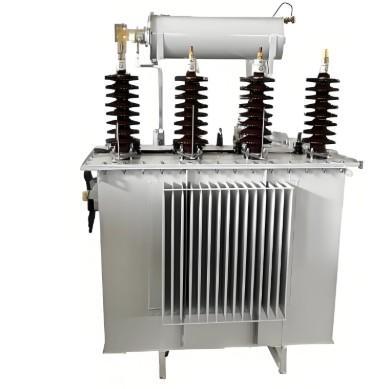
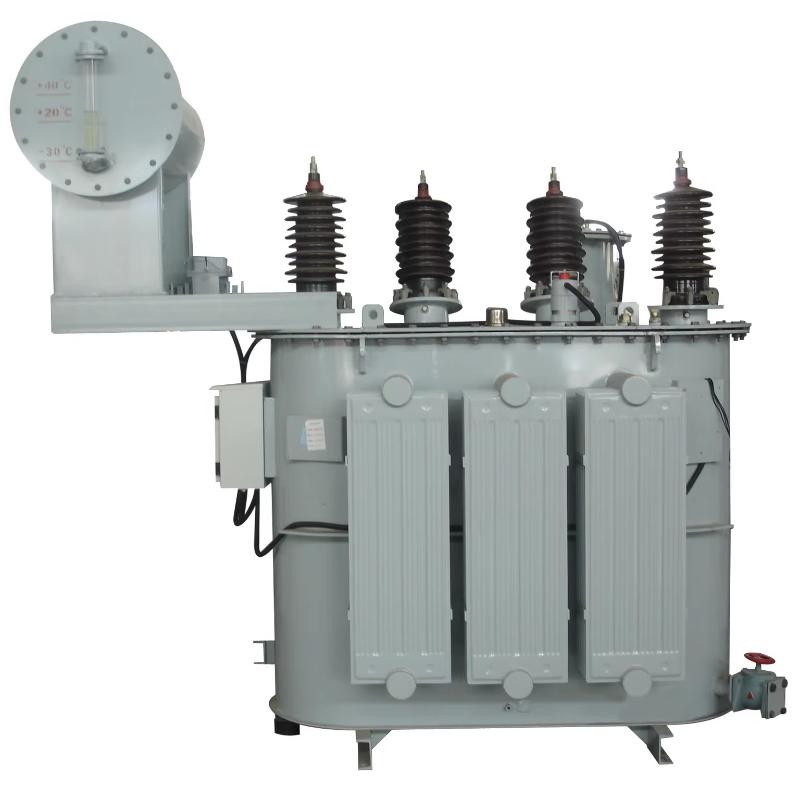
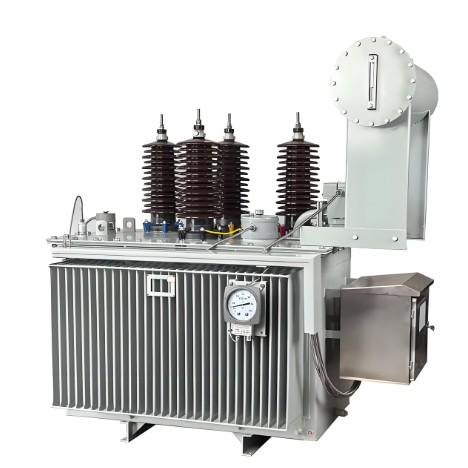
-
11kV 15kV 20kV 22kV Three-Phase Oil-Immersed Earthing/Grounding Transformer China Manufacturer

-
Customization 66kV 88kV 110kV 132kV Three Phase Z-type winding Oil-Immersed Earthing Transformer source manufacturer

-
6kV 6.3kV 6.6kV 10kV 10.5kV 11kV Neutral Grounding/earthing Transformer Dry Type Power Transformer direct supply

-
34.5kV 35KV 88kV 110kV Three Phase Zig-Zag Type Oil-Immersed Earthing Transformer source manufacturer