
Global Warming and the Necessity of SF6 Alternatives in Switchgear
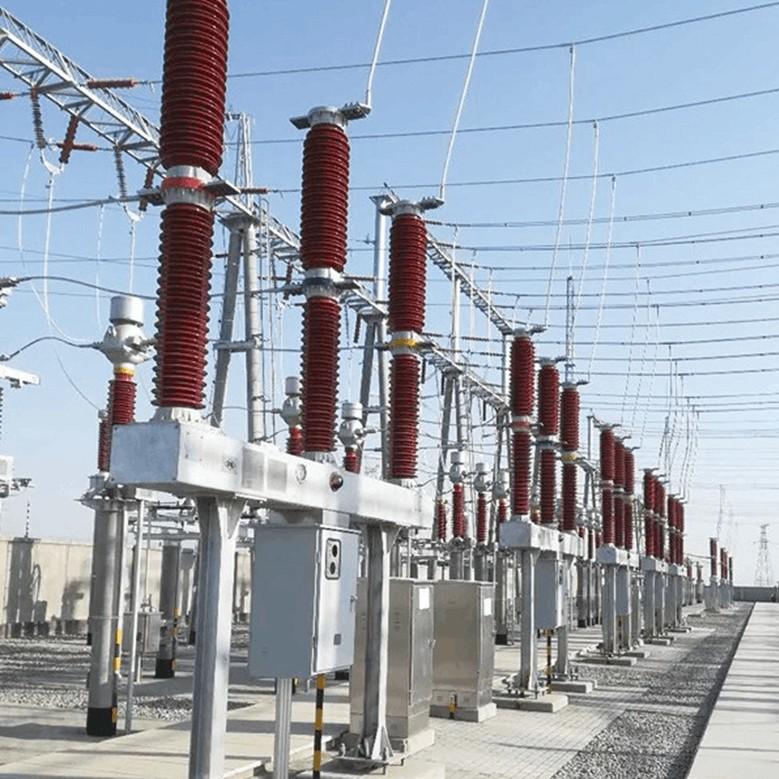
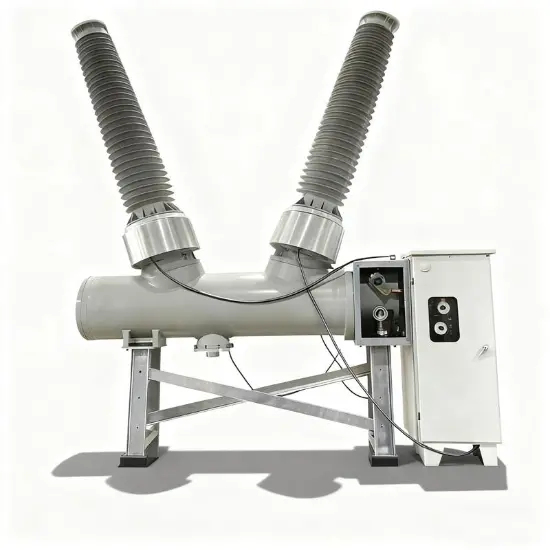
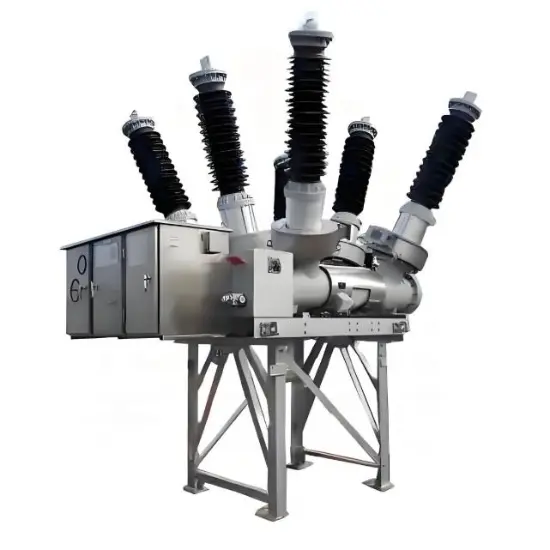
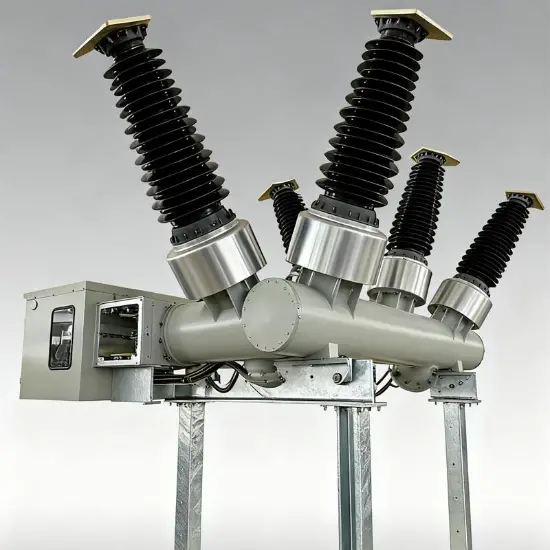
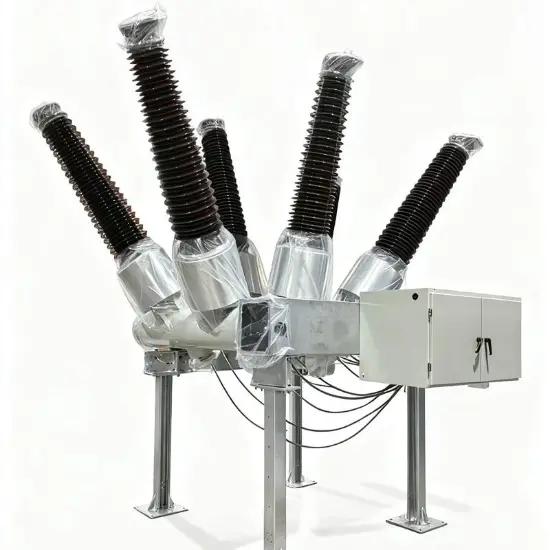
With the exacerbation of global warming, it becomes increasingly important to use alternatives to sulfur hexafluoride (SF6) in switchgear such as circuit breakers and Gas Insulated Switchgear (GIS) in the future. Fluoroketones and fluoronitriles are potential replacements due to their higher dielectric strength compared to SF6. However, these gases need to be mixed with a buffer gas for use at low temperatures; otherwise, they condense into a liquid state, leading to significantly reduced dielectric strength and poor current interruption performance. Common carrier gases include air, nitrogen, oxygen, and carbon dioxide.
Finding the suitable concentration of fluoroketone or fluoronitrile in the carrier gas and determining the total gas pressure is a trade-off between achieving sufficient dielectric strength and covering the operational temperature range. While high partial pressures of fluoroketone or fluoronitrile and high total gas pressure can provide adequate dielectric strength, they may not meet the entire working temperature range required.
Dry Air Insulation in Medium Voltage Switchgear
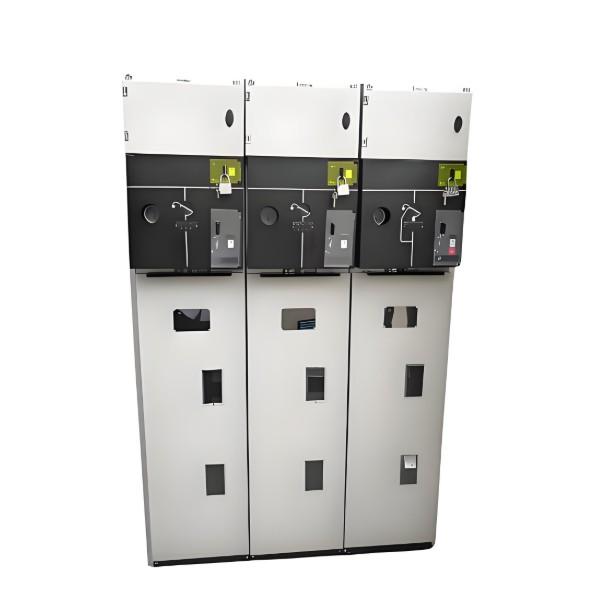
Dry air insulation is an alternative insulation medium used in medium voltage switchgear designed to replace SF6 gas. Instead of relying on SF6 for arc quenching and insulation purposes, dry air, composed of nitrogen and oxygen, is employed as the insulating medium. This approach offers advantages such as reduced environmental impact, improved safety, and enhanced sustainability. By transitioning to dry air insulation, the switchgear industry aims to mitigate the environmental burden caused by SF6 emissions, which has a high Global Warming Potential (GWP) and contributes to the greenhouse effect.
C5-FK/Dry Air Insulation in Medium Voltage Switchgear
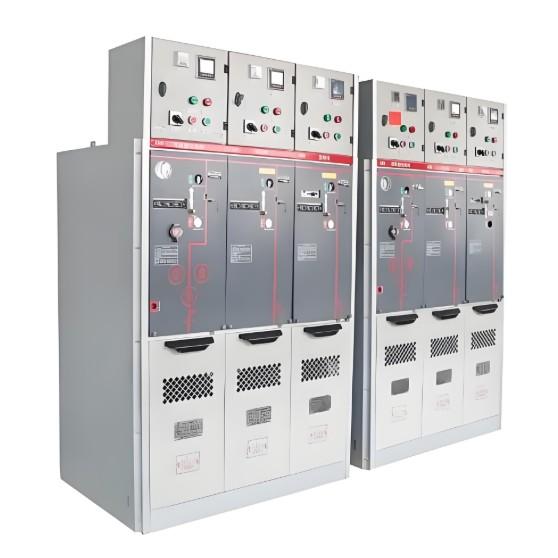
C5-FK is a specific type of dry air insulation utilized in medium voltage switchgear. It consists of synthetic air and a fluoroketone-based gas called C5-FK. This insulation medium provides excellent dielectric properties, ensuring effective insulation and arc quenching capabilities. Compared to traditional SF6 gas insulation, C5-FK/dry air insulation features lower flammability and non-toxicity, reducing fire risks and health concerns. Moreover, it has a low global warming potential, contributing to environmental sustainability.
Solid Insulation Combined with Dry Air in Medium Voltage Switchgear
Solid insulation combined with dry air is another alternative for medium voltage switchgear. In this method, solid materials like epoxy resin or polymer materials are used as the insulating medium instead of gases or liquids. The combination of solid insulation with dry air provides excellent electrical insulation properties, ensuring safe and reliable operation of medium voltage switchgear. This method reduces reliance on traditional insulation mediums such as SF6, thereby lowering environmental impact and enhancing equipment resistance to aging and mechanical strength, making it a viable option for medium voltage applications.

C4-FN/Dry Air Insulation in Medium Voltage Switchgear
C4-FN represents a specific type of dry air insulation utilized within medium voltage switchgear. It is composed of a blend of synthetic air and a fluoro-nitrile-based gas known as C4-FN. This combination offers superior insulating properties and effective arc-quenching capabilities.
The adoption of C4-FN/dry air insulation brings about enhanced safety features and environmental advantages. With its low toxicity levels, this insulation medium ensures a safer operational environment for personnel, markedly reducing health risks when compared to traditional SF6 gas insulation. Moreover, it boasts a low global warming potential, which significantly aids in minimizing the emission of greenhouse gases. Thus, C4-FN/dry air insulation not only supports the advancement towards more environmentally friendly technologies but also enhances workplace safety in the electrical industry.

Benefits of Dry Air Insulation in Medium Voltage Switchgear
The application of dry air insulation in medium voltage switchgear brings several significant advantages:
Environmental Protection: Firstly, dry air insulation eliminates the need for SF6 gas, which has a high global warming potential. By reducing emissions of this greenhouse gas, dry air insulation supports environmental sustainability and helps combat climate change.
Enhanced Safety: Secondly, dry air insulation enhances safety by minimizing risks associated with traditional insulation mediums. With its low toxicity levels, it reduces health hazards for operators, creating safer working environments.
Promotion of Sustainability: Furthermore, dry air insulation fosters the development of more sustainable and eco-friendly solutions. It aligns with industry efforts to reduce environmental impact and transition towards greener technologies, ensuring a more sustainable future for medium voltage switchgear applications.

In summary, dry air insulation not only provides a reliable technical solution for medium voltage switchgear but also plays a crucial role in enhancing environmental friendliness, workplace safety, and long-term sustainability. This shift is essential for modern industries pursuing green development and technological innovation.
Can Dry Air Insulation Be Retrofitted into Existing Medium Voltage Switchgear?
Yes, dry air insulation can indeed be retrofitted into existing medium voltage switchgear systems. This process involves either modifying the current equipment to replace SF6 gas insulation with dry air insulation or substituting the old components with new modules designed for dry air insulation.
Retrofitting presents a cost-effective approach to upgrade existing switchgear infrastructure, ensuring it aligns with contemporary environmental and safety standards. This adaptation enables continued operation of the switchgear while simultaneously reducing its environmental footprint and enhancing safety features.
However, the feasibility of retrofitting largely depends on several factors including the original design and condition of the existing switchgear, compatibility with dry air insulation technology, and specific application requirements. Therefore, it is advisable to consult with manufacturers or qualified professionals to evaluate the practicality and appropriateness of retrofitting dry air insulation for a particular switchgear installation. This ensures that any modifications or replacements are executed efficiently and effectively, meeting all necessary operational and safety criteria.

Conclusion
In summary, dry air insulation, including variants such as C5-FK, solid insulation, and C4-FN, presents a promising alternative to SF6 gas insulation in medium voltage switchgear. This approach not only offers significant environmental benefits and enhanced safety features but also supports the industry's broader sustainability objectives. Whether through retrofitting existing systems or implementing new installations, dry air insulation is integral to forging a greener and more efficient future for medium voltage switchgear applications. By reducing reliance on SF6 and adopting more environmentally friendly technologies, the industry can make substantial strides towards minimizing its ecological footprint while ensuring optimal performance and safety.