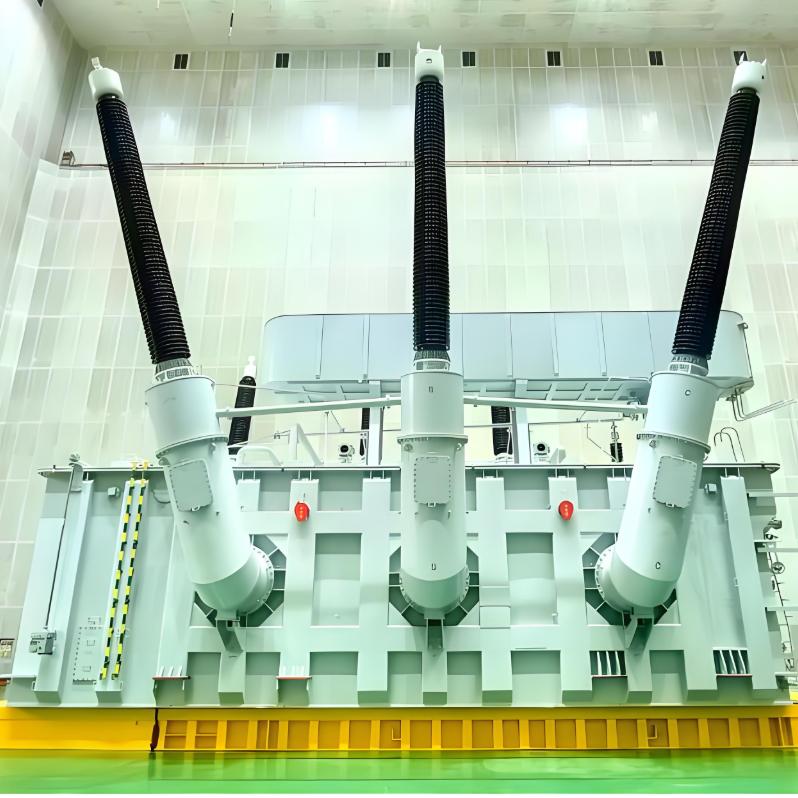
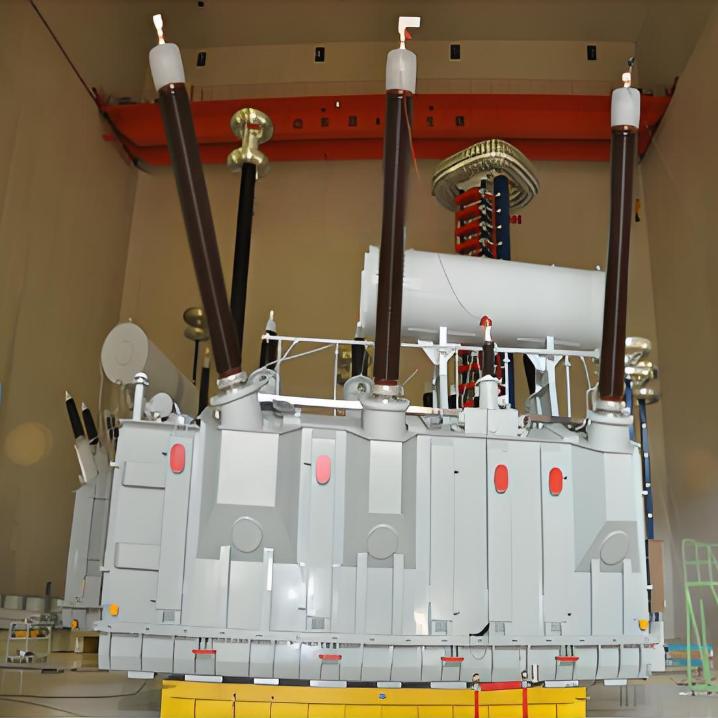
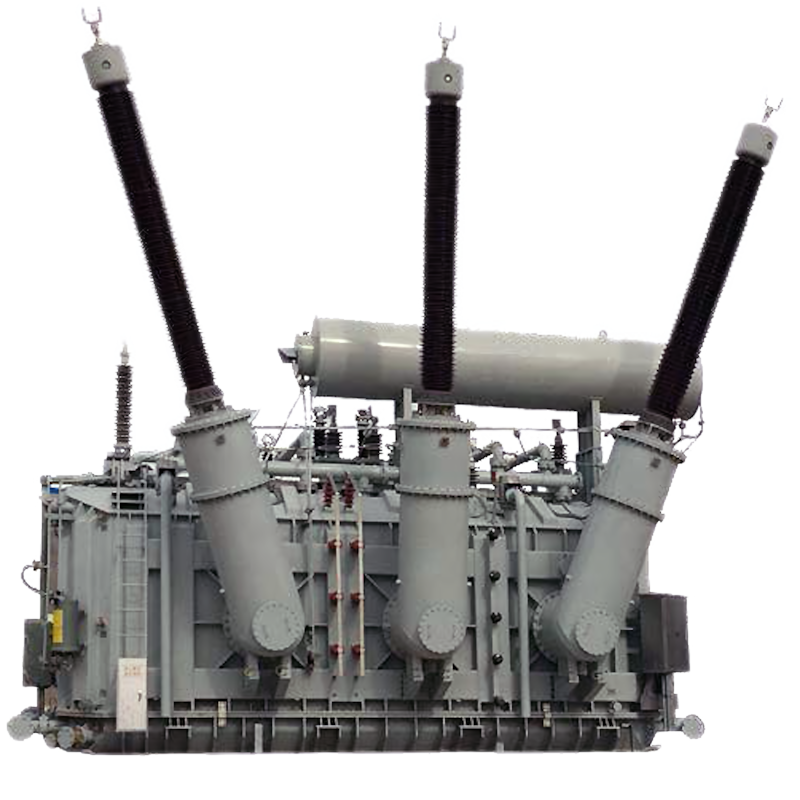
Adjustment and Precautions for H61 Oil Power 26kV Electric Transformer Tap Changers

Preparatory Work Before Adjusting the Tap Changer of H61 Oil Power 26kV Electric Transformer
Apply for and issue a work permit; carefully fill out the operation ticket; conduct a simulation board operation test to ensure the operation is error-free; confirm the personnel who will carry out and supervise the operation; if load reduction is required, notify affected users in advance.
Before construction, power must be disconnected to take the transformer out of service, and voltage testing must be performed to ensure it remains de-energized during the work; install grounding wires on both the high-voltage and low-voltage sides.
Workers must wear work uniforms, insulated safety gloves, and safety helmets; carefully inspect protective equipment such as foot clamps, backup ropes, and safety harnesses; prepare tools and materials including insulated rods, multimeters, Kelvin bridges, temporary conductors, electrician’s tools, wrenches, etc., and check their condition; assign a dedicated safety monitor to prevent accidents such as falls.
Use an insulated rod to open the high-voltage side drop-out fuse; pay attention to prevent breakdown of the fuse base or unnoticed fine aluminum strands entangled around it; after unscrewing the protective cover of the tap changer, set it to the neutral (off) position.
Set up barriers and warning signs around the work area to prevent pedestrians from accidentally entering the site, which could interfere with the work or result in injuries from falling objects.
Adjustment of the Tap Changer of H61 Oil Power 26kV Electric Transformer
First, de-energize the system. After disconnecting the low-voltage side load of the H61 Oil Power 26kV Electric Transformer, use an insulated rod to open the high-voltage side drop-out fuse, then implement necessary safety measures. Unscrew the protective cover of the tap changer on the transformer and place the positioning pin in the neutral position.
When adjusting the tap position, adjust the tap changer to the appropriate position based on whether the output voltage is high or low. The basic principle for adjustment is:
-
When the transformer output voltage is below the allowable value, change the tap position from Position I to II, or from II to III;
When the transformer output voltage is above the allowable value, change the tap position from Position III to II, or from II to I.
(Note: The sentence about "cable fault tester..." appears to be an unrelated insertion and is omitted as it does not pertain to tap changer adjustment.)
After adjusting the tap position, use a DC bridge to measure the DC resistance of each phase winding and check whether the DC resistances among windings are balanced. If the resistance difference between phases exceeds 2%, readjustment is mandatory; otherwise, poor contact between moving and stationary contacts may cause overheating or even arcing during operation, damaging the transformer.
Precautions for Adjusting the Tap Changer of H61 Oil Power 26kV Electric Transformer
During the adjustment work, strictly follow the prescribed operating procedures and safety regulations, and remain vigilant about safety at all times. Key points of attention include correct tap position adjustment, prevention of poor contact, DC resistance measurement, and personal safety.