• Product
  • Suppliers
  • Manufacturers
  • Solutions
  • Free tools
  • Knowledges
  • Experts
  • Communities
Search


What are the safety precautions and guidelines for using AC load banks?

Echo
Field: Transformer Analysis
China

AC load banks are electrical devices used to simulate real-world loads and are widely applied in power systems, communication systems, automation control systems, and other fields. To ensure personal and equipment safety during use, the following safety precautions and guidelines must be observed:

Select an appropriate AC load bank: Choose an AC load bank that meets actual requirements, ensuring its capacity, voltage rating, and other parameters satisfy the intended application. Additionally, select products with quality assurance and recognized safety certifications, and avoid using substandard equipment.

Comply with relevant regulations during installation and operation: When installing and using an AC load bank, adhere to national and industry standards, such as electrical installation codes and the manufacturer’s equipment manual. If any uncertainties arise, promptly consult qualified professionals.

Perform regular inspection and maintenance: To ensure reliable operation of the AC load bank, conduct periodic inspections and maintenance. Inspection items include appearance, wiring connections, insulation condition, etc.; address any issues immediately upon discovery. Routine maintenance tasks—such as cleaning and tightening screws—should also be carried out regularly.

Avoid overload operation: Do not operate the AC load bank under prolonged overload conditions, as this may cause equipment damage or safety hazards. Adjust the load bank’s operating state reasonably based on actual load demands.
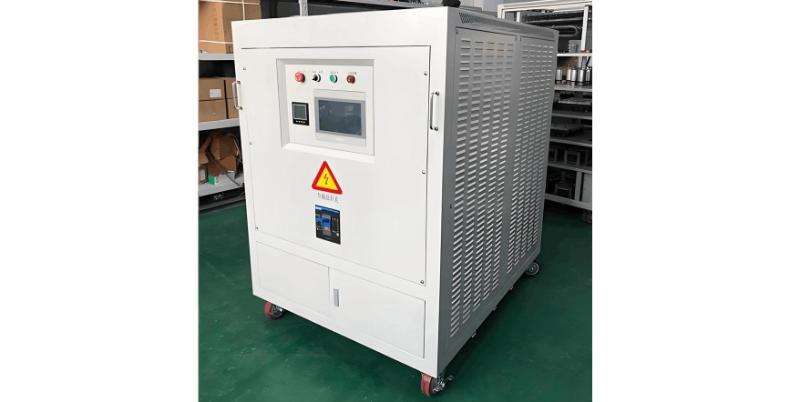
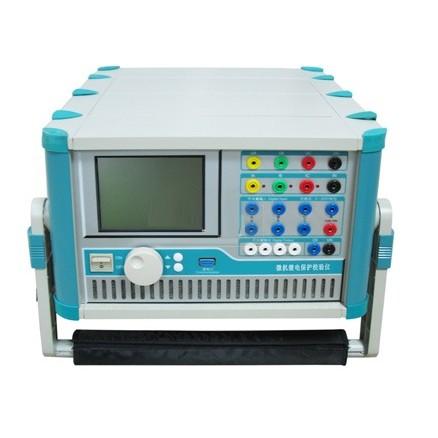
AC Load Bank.jpg

Observe electrical safety practices: When operating the AC load bank, follow electrical safety protocols—for example, wear insulated gloves and use insulated tools. Additionally, avoid using the load bank in harsh environments such as damp or high-temperature areas to prevent electric shock.

Prevent short circuits and leakage currents: Take care to avoid short circuits and ground leakage during operation. If a short circuit or leakage is detected, immediately disconnect the power supply and inspect/repair the unit. Ensure the AC load bank is properly grounded to minimize electric shock risks.

Avoid mechanical shock and vibration: During operation, protect the AC load bank from impact and vibration, which can impair performance and reduce service life. Handle the unit gently during transportation and installation to prevent physical damage.

Train operators: Personnel operating the AC load bank must receive proper training to master correct operating procedures and safety knowledge. Strictly follow operational protocols during use to prevent accidents.

When using an AC load bank, always strictly comply with safety regulations to safeguard personnel and equipment. If any issues occur, consult qualified professionals immediately—never attempt unauthorized repairs or modifications.
Give a tip and encourage the author!

Recommended

Classification of Equipment Defects for Relay Protection and Safety Automatic Devices in Substations
In daily operations, various equipment defects are inevitably encountered. Whether maintenance personnel, operation and maintenance staff, or specialized management personnel, all must understand the defect classification system and adopt appropriate measures according to different situations.According to Q/GDW 11024-2013 "Operation and Management Guide for Relay Protection and Safety Automatic Devices in Smart Substations," equipment defects are classified into three levels based on severity an
12/15/2025
Under What Conditions Will the Line Circuit Breaker Auto-Reclosing Signal Be Locked Out?
The line circuit breaker auto-reclosing signal will be locked out if any of the following conditions occur:(1) Low SF6 gas pressure in circuit breaker chamber at 0.5MPa(2) Insufficient energy storage in circuit breaker operating mechanism or low oil pressure at 30MPa(3) Busbar protection operation(4) Circuit breaker failure protection operation(5) Line distance protection zone II or zone III operation(6) Short lead protection operation of circuit breaker(7) Presence of remote tripping signal(8)
12/15/2025
Application of Auto-Reclosing Residual Current Protective Devices in Lightning Protection for Communication Power Supplies
1. Power Interruption Problems Caused by RCD False Tripping During Lightning StrikesA typical communication power supply circuit is shown in Figure 1. A residual current device (RCD) is installed at the power supply input terminal. The RCD primarily provides protection against electrical equipment leakage currents to ensure personal safety, while surge protective devices (SPDs) are installed on power supply branches to protect against lightning intrusions. When lightning strikes occur, the senso
12/15/2025
Reclosing Charge Time: Why Does Reclosing Require Charging? What Effects Does Charging Time Have?
1. Function and Significance of Reclosing ChargingReclosing is a protective measure in power systems. After faults such as short circuits or circuit overloads occur, the system isolates the faulty circuit and then restores normal operation through reclosing. The function of reclosing is to ensure continuous operation of the power system, improving its reliability and safety.Before performing reclosing, the circuit breaker must be charged. For high-voltage circuit breakers, the charging time is g
12/15/2025
Send inquiry
+86
Click to upload file
Download
Get the IEE Business Application
Use the IEE-Business app to find equipment, obtain solutions, connect with experts, and participate in industry collaboration anytime, anywhere—fully supporting the development of your power projects and business.