How to Maximize the Lifespan of Electrical Panels
Extending the lifespan of electrical panels is crucial for ensuring the stability and safety of power systems. Below are some effective strategies and maintenance practices that can help maximize the lifespan of electrical panels:
1. Regular Maintenance and Inspections
Preventive Maintenance: Regular preventive maintenance is key to extending the life of electrical panels. It is advisable to develop a detailed maintenance schedule based on the manufacturer's recommendations and the operating environment. Routine inspections can identify potential issues early, preventing minor problems from escalating into major failures.
Cleaning and Dust Removal: Dust, dirt, and other contaminants can accumulate inside electrical panels, leading to overheating, short circuits, or corrosion. Regularly clean the interior of the panel and ensure that ventilation openings are unobstructed to prevent dust from entering sensitive components.
Tightening Connections: Over time, bolts, terminal connections, and other fasteners may loosen, leading to poor contact and heat generation. Regularly inspect and tighten all connection points to ensure good electrical continuity.
2. Temperature Control
Maintain Appropriate Temperature: Electrical equipment is highly sensitive to temperature. Excessive heat can accelerate the aging of components and shorten their lifespan. Ensure that electrical panels are installed in well-ventilated areas with suitable temperatures, avoiding direct sunlight or proximity to heat sources.
Use Cooling Devices: If the electrical panel is located in a high-temperature environment, consider installing cooling fans, air conditioners, or heat exchangers to maintain a safe internal temperature. Proper cooling systems can significantly extend the life of components.
3. Load Management
Avoid Overloading: Electrical panels are designed to handle a specific load capacity. Exceeding this capacity can lead to overheating, component damage, or even fires. Regularly monitor the load to ensure it does not exceed the rated power. If the load frequently approaches or exceeds the rated value, consider upgrading the equipment or redistributing the load.
Balance Three-Phase Loads: For three-phase systems, ensure that the load is as balanced as possible across all phases. Unbalanced loads can cause certain phases to become overloaded, increasing wear and tear on the equipment and raising the risk of failure.
4. Use High-Quality Components
Choose Reliable Brands: When installing or replacing electrical components, opt for high-quality products from reputable manufacturers. Premium components typically offer better durability and reliability, allowing them to operate for longer periods without failure.
Certified to Standards: Ensure that all electrical components meet relevant international or national standards (such as IEC, UL, CE). Certified products have undergone rigorous testing and are designed to perform reliably under various conditions.
5. Protective Measures
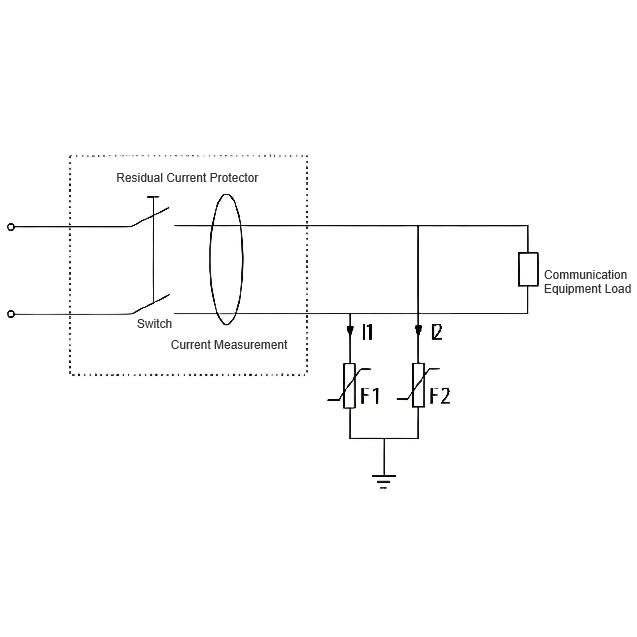
Install Surge Protectors: Surges and transient voltages can cause significant damage to electrical equipment. Installing appropriate surge protection devices (SPDs) can effectively protect sensitive components from lightning strikes, grid fluctuations, or other causes of surges.
Grounding System: Ensure that the electrical panel has a robust grounding system to prevent static buildup and leakage currents. A proper grounding system not only enhances safety but also reduces electromagnetic interference, extending the life of the equipment.
Moisture and Corrosion Protection: If the electrical panel is installed in a humid or dusty environment, consider using sealed enclosures or applying corrosion-resistant coatings to prevent moisture and corrosive substances from entering the panel.
6. Update Old Equipment
Technology Upgrades: As technology advances, newer electrical equipment is often more efficient, reliable, and equipped with better protection features. Regularly assess the condition of existing equipment and update outdated or poorly performing devices to improve overall system stability and lifespan.
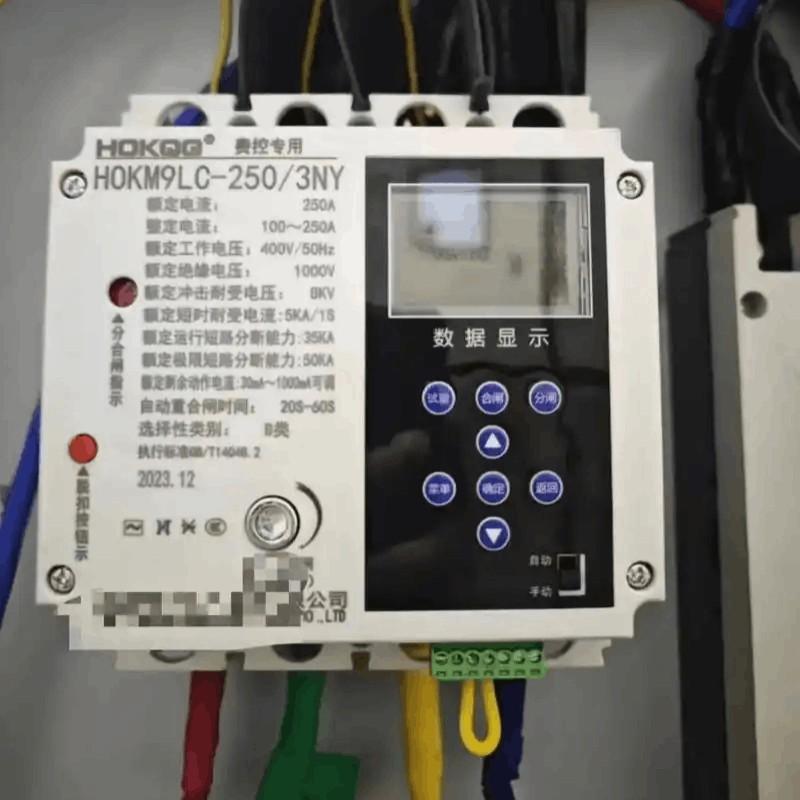
Intelligent Monitoring Systems: Introduce intelligent monitoring systems to track the real-time operational status of electrical panels, including parameters such as current, voltage, and temperature. Data analysis can predict potential faults early, allowing for preventive measures to be taken before failures occur.
7. Train Operating Personnel
Proper Operation: Ensure that all operating personnel receive adequate training on how to correctly operate and maintain electrical panels. Incorrect operation can lead to equipment damage or safety incidents. Provide detailed operating manuals and maintenance guidelines to help personnel follow the correct procedures.
Emergency Response: Train operating personnel on how to handle emergencies, such as power outages, short circuits, or equipment failures. Quick and correct emergency responses can minimize the extent of equipment damage and extend its lifespan.
8. Record Keeping and Documentation Management
Maintenance Records: Keep detailed records of all maintenance activities, including the date, content, and results of each inspection, repair, or replacement. These records help track the health of the equipment, identify common failure patterns, and provide reference for future maintenance.
Equipment Files: Establish comprehensive files for each electrical panel, including factory information, installation dates, maintenance history, and spare parts lists. This ensures that relevant information can be quickly accessed when needed, facilitating long-term stable operation.
Summary
By implementing regular maintenance, proper load management, using high-quality components, installing protective devices, and training operating personnel, you can significantly extend the lifespan of electrical panels. Additionally, maintaining appropriate temperature control and environmental conditions, and updating old equipment, are important measures to ensure the long-term stable operation of the electrical system. Through a combination of these strategies, you can maximize the lifespan of electrical panels, reduce maintenance costs, and enhance the safety and reliability of the system.