Optimization and Key Considerations for Operation and Maintenance Management of Low-Voltage Distribution Networks
With the rapid development of China's power industry, operation and maintenance (O&M) management of low-voltage distribution networks has become increasingly important. A low-voltage distribution network refers to the power supply lines between a power transformer and end-user equipment, forming the most fundamental and critical part of the power system. To ensure its normal operation and improve O&M efficiency, a series of optimization measures must be implemented, along with attention to key considerations. This article provides a detailed introduction to the optimization and key points for O&M management of low-voltage distribution networks.
1. Optimization of O&M Management
1.1 Information-Based Management
Information technology is a crucial means to enhance O&M efficiency. By establishing and improving an information management system for distribution networks, tasks such as equipment file management, operation records, fault logging, and inspection management can be automated and refined. Information-based management also enables online monitoring and real-time early warning of equipment status, facilitating timely detection and resolution of faults, thereby improving the reliability and safety of the distribution network.
1.2 Regular Inspections
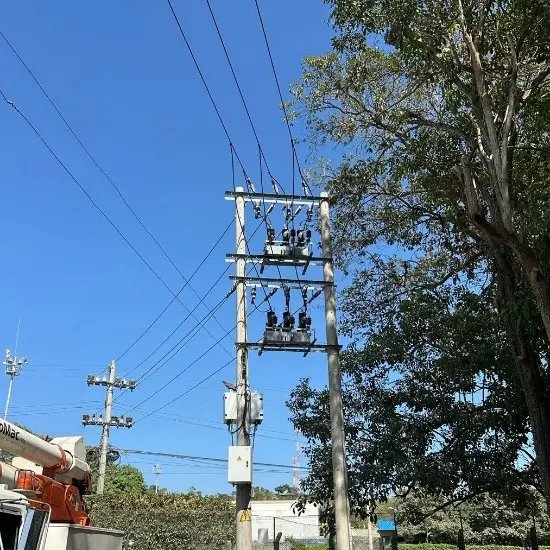
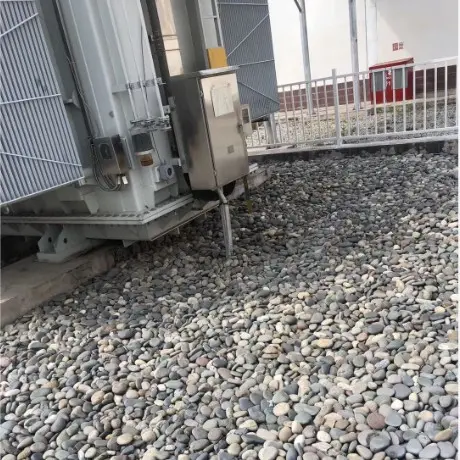
Regular inspections are essential for ensuring stable operation. They help identify and eliminate potential equipment hazards, detect damage or aging in lines and equipment early, and effectively extend equipment lifespan. O&M managers should develop scientific and reasonable inspection plans based on actual conditions, ensuring that inspections are comprehensive, thorough, and timely.
1.3 Equipment Maintenance
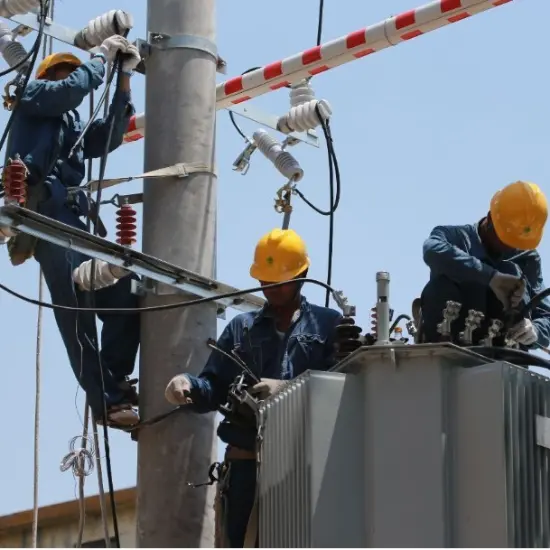
Equipment maintenance is another critical aspect. O&M personnel must strictly follow maintenance schedules, conducting regular checks, cleaning, and lubrication of all equipment, and promptly replacing aged or damaged components to ensure normal operation. Managers should also strengthen monitoring and recording of equipment status, quickly identifying and resolving anomalies to prevent power outages caused by equipment failure.
1.4 Safety Production Management
Safety management is paramount. Managers must strictly enforce electrical safety procedures and enhance protective measures for equipment and lines to safeguard personnel. Regular safety training and education should be provided to improve staff awareness and operational skills, reducing the occurrence of safety incidents. Additionally, robust emergency response plans and hazard management systems should be established to handle emergencies promptly, ensuring safe and stable network operation.
2. Key Considerations
2.1 Standardization
O&M management should comply with national standards and regulations, adopting unified management strategies and operational procedures to ensure scientific, standardized, and consistent practices. At the same time, region-specific and environment-appropriate measures should be developed to guarantee reliable network operation.
2.2 Personnel Competence
O&M personnel must possess strong professional knowledge, self-management ability, familiarity with electrical principles, teamwork, and emergency response skills. Continuous learning and skill improvement are essential to enhance the efficiency and quality of management work.
2.3 Equipment Quality
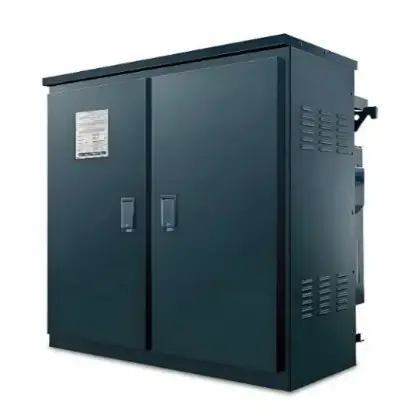
Managers must enforce strict equipment quality control to ensure all devices meet national standards and are safe and reliable. Regular maintenance and inspections are necessary to detect and resolve faults promptly, preventing accidents due to poor equipment quality.
2.4 Safety Awareness
A "safety first" mindset must be firmly established. All safety procedures must be strictly followed, and safety knowledge should be actively promoted to enhance awareness and self-protection, ensuring safety responsibilities are clearly assigned and meticulously executed.
2.5 Environmental Protection
Environmental factors must be fully considered during O&M activities to minimize impact on nature. Resources should be used efficiently, energy waste reduced, and sustainable development of the power system ensured.
In conclusion, O&M management of low-voltage distribution networks is a complex yet vital task requiring specialized knowledge, attention to detail, and continuous improvement. It is hoped that this article will provide valuable insights into O&M management and contribute to the advancement of China's power industry.