The Role of Harmonic Detection in Ensuring Power System Stability
1. Importance of Harmonic Detection
Harmonic detection is a critical method for assessing the level of harmonic pollution in power systems, identifying harmonic sources, and predicting the potential impact of harmonics on the grid and connected equipment. With the widespread use of power electronics and the increasing number of nonlinear loads, harmonic pollution in power grids has become increasingly severe. Harmonics not only disrupt the normal operation of electrical equipment but also increase energy consumption and reduce system safety and reliability. Therefore, accurate measurement and effective control of harmonics have become essential.
2. Impact of Harmonics on Power System Stability
Equipment Damage: Harmonics can cause overheating and vibration in electrical equipment, accelerating aging and failure. For power electronic devices, harmonics may shift operating points beyond design limits, degrading performance and shortening lifespan.
Increased Power Losses: Harmonics distort current and voltage waveforms, increasing active and reactive power losses in the system. This leads to energy waste and higher operational costs.
Control System Instability: Harmonics can interfere with power system control systems, impairing their performance. Under high-frequency harmonic interference, control systems may become unstable, leading to system failure.
Altered Power Flow: Harmonics can change the power flow distribution in the grid, causing voltage and current imbalances. This may trigger resonance phenomena, further threatening system stability.
3. Role of Harmonic Detection in Maintaining Stability
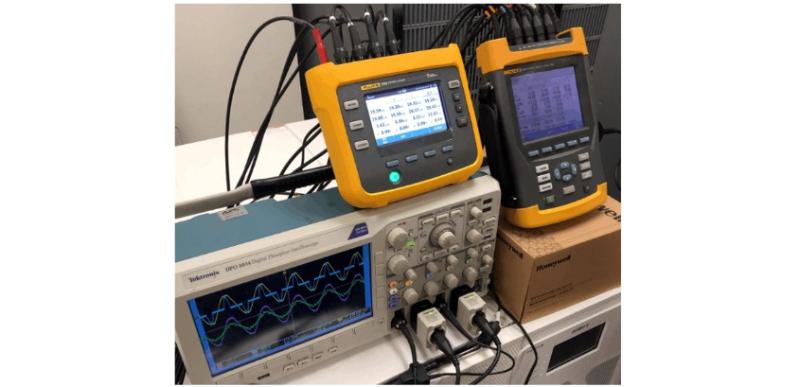
Assessing Harmonic Levels: Harmonic detection enables accurate evaluation of harmonic content, helping utilities understand the extent and distribution of harmonic pollution.
Identifying Harmonic Sources: It aids in pinpointing harmonic sources such as variable frequency drives, rectifiers, and arc furnaces—common nonlinear loads.
Predicting Potential Impacts: By analyzing harmonic data, engineers can forecast adverse effects on the grid and equipment, providing a basis for mitigation strategies.
Developing Mitigation Measures: Based on detection results, targeted solutions can be implemented—such as installing filters, using reactive power compensation devices, or optimizing system design and operation—to reduce harmonic influence and enhance stability.
4. Methods to Improve Harmonic Detection Accuracy
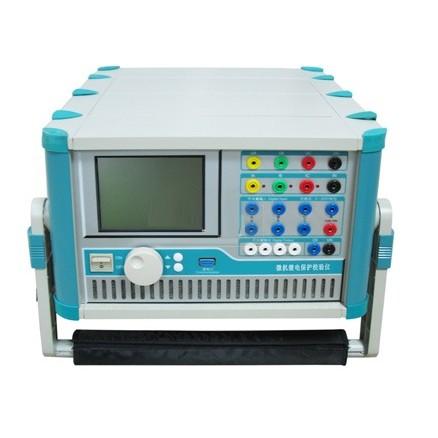
Selecting Appropriate Instruments: Use high-precision, high-stability harmonic analyzers to ensure measurement accuracy.
Optimizing Detection Methods: Combine multiple techniques (e.g., analog and digital methods) to improve reliability and accuracy.
Eliminating Interference: Minimize the impact of environmental noise and other disturbances during testing to ensure clean, accurate data.
Conclusion
Harmonic detection plays a vital role in ensuring power system stability. By accurately assessing harmonic levels, identifying sources, predicting impacts, and implementing targeted mitigation measures, the adverse effects of harmonics can be significantly reduced. This ensures the safe, reliable, and efficient operation of modern power systems.