• Product
  • Suppliers
  • Manufacturers
  • Solutions
  • Free tools
  • Knowledges
  • Experts
  • Communities
Search


Causes and Preventive Measures of Fire and Explosion in Oil Circuit Breakers

Felix Spark
Field: Failure and maintenance
China

Causes of Fire and Explosion in Oil Circuit Breakers

  • When the oil level in an oil circuit breaker is too low, the oil layer covering the contacts becomes too thin. Under the effect of the electric arc, the oil decomposes and releases flammable gases. These gases accumulate in the space beneath the top cover, mixing with air to form an explosive mixture, which can ignite or explode under high temperature.

  • If the oil level inside the tank is too high, the released gases have limited space to expand, leading to excessive internal pressure that may cause the tank to rupture or explode.

  • Excessive impurities and moisture in the oil can cause internal flashover within the circuit breaker.

  • Improper adjustment or malfunction of the operating mechanism may result in slow operation or poor contact after closing. If the arc cannot be promptly interrupted and extinguished, excessive flammable gas builds up inside the tank, potentially causing fire.

  • The interrupting capacity of an oil circuit breaker is a critical parameter for power systems. If this capacity is lower than the system’s short-circuit capacity, the breaker cannot interrupt the high short-circuit current effectively. The sustained arc then leads to fire or explosion of the breaker.

  • Poor sealing between the bushings and the tank cover, or between the cover and the tank body, can allow water ingress and moisture accumulation. Additionally, a dirty tank interior or mechanically damaged bushings may cause ground faults, leading to fire or explosion.
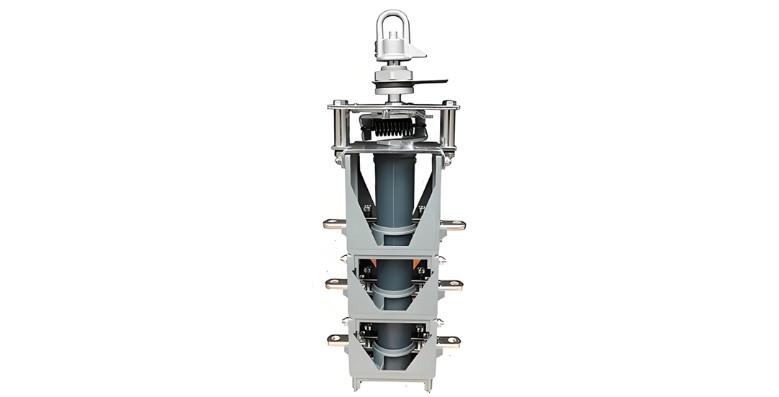
Oil Switch.jpg

Preventive Measures Against Oil Circuit Breaker Fires

(1) The rated interrupting capacity of the oil circuit breaker must match the short-circuit capacity of the power system.

(2) Regular monitoring and routine inspections of oil circuit breakers should be strengthened—especially during peak load periods, after each automatic trip, and under adverse weather conditions—by increasing patrol frequency to continuously assess operational status.

(3) During routine inspections, special attention should be paid to:

  • Oil level indicated on the oil gauge,

  • Signs of oil leakage,

  • Condition of insulating bushings (checking for dirt, cracks),

  • Presence of abnormal noises or flashover phenomena.

(4) Indoor oil circuit breakers must be installed in fire-resistant buildings with adequate ventilation. Indoor bulk-oil breakers should be equipped with oil-containment facilities. Pole-mounted oil breakers should be protected by lightning arresters.

(5) Regular minor and major maintenance, along with electrical performance tests and oil sample analyses, must be conducted to ensure the oil circuit breaker remains in optimal operating condition.
Give a tip and encourage the author!

Recommended

Classification of Equipment Defects for Relay Protection and Safety Automatic Devices in Substations
In daily operations, various equipment defects are inevitably encountered. Whether maintenance personnel, operation and maintenance staff, or specialized management personnel, all must understand the defect classification system and adopt appropriate measures according to different situations.According to Q/GDW 11024-2013 "Operation and Management Guide for Relay Protection and Safety Automatic Devices in Smart Substations," equipment defects are classified into three levels based on severity an
12/15/2025
Under What Conditions Will the Line Circuit Breaker Auto-Reclosing Signal Be Locked Out?
The line circuit breaker auto-reclosing signal will be locked out if any of the following conditions occur:(1) Low SF6 gas pressure in circuit breaker chamber at 0.5MPa(2) Insufficient energy storage in circuit breaker operating mechanism or low oil pressure at 30MPa(3) Busbar protection operation(4) Circuit breaker failure protection operation(5) Line distance protection zone II or zone III operation(6) Short lead protection operation of circuit breaker(7) Presence of remote tripping signal(8)
12/15/2025
Application of Auto-Reclosing Residual Current Protective Devices in Lightning Protection for Communication Power Supplies
1. Power Interruption Problems Caused by RCD False Tripping During Lightning StrikesA typical communication power supply circuit is shown in Figure 1. A residual current device (RCD) is installed at the power supply input terminal. The RCD primarily provides protection against electrical equipment leakage currents to ensure personal safety, while surge protective devices (SPDs) are installed on power supply branches to protect against lightning intrusions. When lightning strikes occur, the senso
12/15/2025
Reclosing Charge Time: Why Does Reclosing Require Charging? What Effects Does Charging Time Have?
1. Function and Significance of Reclosing ChargingReclosing is a protective measure in power systems. After faults such as short circuits or circuit overloads occur, the system isolates the faulty circuit and then restores normal operation through reclosing. The function of reclosing is to ensure continuous operation of the power system, improving its reliability and safety.Before performing reclosing, the circuit breaker must be charged. For high-voltage circuit breakers, the charging time is g
12/15/2025
Related Products
Send inquiry
+86
Click to upload file
Download
Get the IEE Business Application
Use the IEE-Business app to find equipment, obtain solutions, connect with experts, and participate in industry collaboration anytime, anywhere—fully supporting the development of your power projects and business.