The reason transmission lines do not use square waves and prefer sine waves involves several aspects of electrical engineering, including efficiency, equipment compatibility, electromagnetic interference, system stability, and control and measurement. Here is a detailed explanation:
1. Efficiency and Losses
Harmonic Distortion: Square waves contain rich harmonic components. These harmonics cause additional losses when transmitted over power lines, including resistive losses in conductors and iron and copper losses in transformers and motors.
Skin Effect: High-frequency harmonics cause the current to concentrate on the surface of the conductor, a phenomenon known as the "skin effect." The skin effect increases the effective resistance of the conductor, leading to higher transmission losses.
2. Equipment Compatibility
Transformers and Motors: Most electrical equipment, such as transformers and motors, are designed for sine waves. Sine waves ensure that these devices operate optimally, improving efficiency and extending their lifespan.
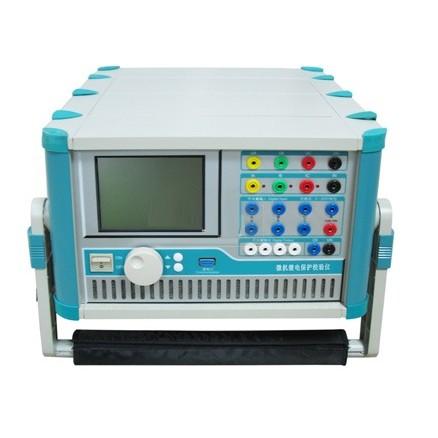
Protection Devices: Relay protection devices and other protective equipment are also designed for sine waves. Square waves can cause these devices to malfunction, affecting the safety and reliability of the system.
3. Electromagnetic Interference
Electromagnetic Interference (EMI): The high-order harmonics in square waves generate strong electromagnetic interference, affecting the normal operation of surrounding electronic devices. For example, radio communications, medical equipment, and computers may experience interference.
Radiation Interference: The rapid rising and falling edges of square waves produce intense electromagnetic radiation, which is particularly noticeable in long-distance transmission lines, potentially causing device failures and data transmission errors.
4. System Stability
Harmonic Pollution: The harmonic components in square waves pollute the power system, affecting grid stability and power quality. Harmonics can cause voltage distortion, frequency fluctuations, and other issues, leading to overheating and damage to equipment.
Reactive Power: Harmonics also increase the reactive power demand of the system, reducing the power factor and increasing the system load, which can result in voltage drops and equipment overload.
5. Control and Measurement
Measurement Accuracy: Sine waves are easier to measure and control accurately. Standard power measurement devices and instruments are designed for sine waves, providing more precise data.
Control Algorithms: Many control algorithms and protection logics in power systems are designed based on the assumption of sine waves. Square waves can cause these algorithms to fail or produce errors.
6. Transmission Distance
Long-Distance Transmission: Sine waves are more suitable for long-distance transmission. Long-distance transmission lines often use high-voltage transmission, and sine waves can better maintain stable voltage and current, reducing transmission losses.
Summary
The reasons why transmission lines do not use square waves and prefer sine waves include:
Efficiency and Losses: Sine waves reduce harmonic distortion and skin effect, improving transmission efficiency.
Equipment Compatibility: Sine waves ensure that electrical equipment operates optimally, improving efficiency and lifespan.
Electromagnetic Interference: Sine waves reduce electromagnetic interference, protecting the normal operation of surrounding electronic devices.
System Stability: Sine waves reduce harmonic pollution, improving grid stability and power quality.
Control and Measurement: Sine waves facilitate accurate measurement and control, ensuring the reliability and safety of the system.
Transmission Distance: Sine waves are more suitable for long-distance transmission, reducing transmission losses.