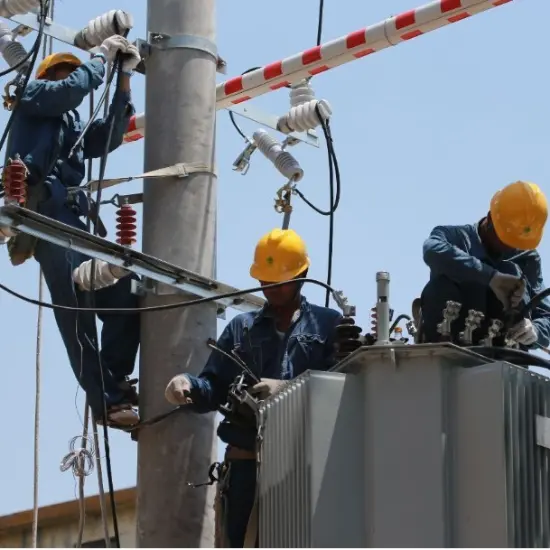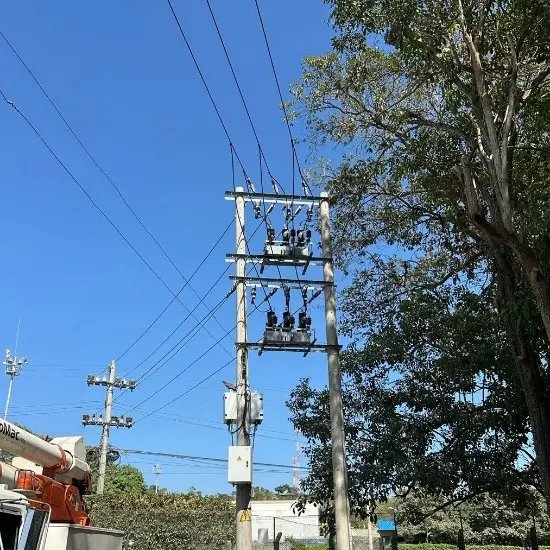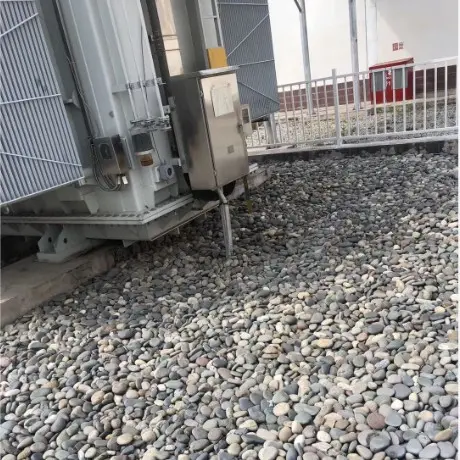
Power cable quality inspection and cable testing are conducted to ensure that the cable's quality and performance meet specified requirements, thereby guaranteeing the safe and stable operation of power systems. Below are some common contents of power cable quality inspection and cable testing:
Visual Inspection: Check the cable surface for physical defects such as damage, deformation, or scratches to ensure the cable's exterior is intact.
Dimensional Measurement: Measure dimensional parameters such as outer diameter, inner diameter, conductor diameter, and insulation thickness to ensure they comply with standard requirements.
Thermal and Cold Shock Test: Expose the cable to high and low temperature environments to evaluate its thermal stability and cold rigidity.
Nominal Cross-Sectional Area Verification: Use a cable stripper or cross-sectional area measuring instrument to measure the cable’s actual cross-sectional area, ensuring it matches the required nominal value.
Resistance Test: Use a resistance tester to measure the cable’s resistance value to verify good conductor contact and ensure resistance complies with standard requirements.
Dielectric Loss Factor and Capacitance Test: Use methods such as the dye current method or a dielectric loss tester to measure the cable’s dielectric loss factor and capacitance, assessing the quality of the insulation material.
Insulation Resistance Test: Use an insulation resistance tester to measure the resistance of the cable’s insulation, evaluating whether the insulation performance is acceptable and identifying issues such as insulation damage or moisture ingress.
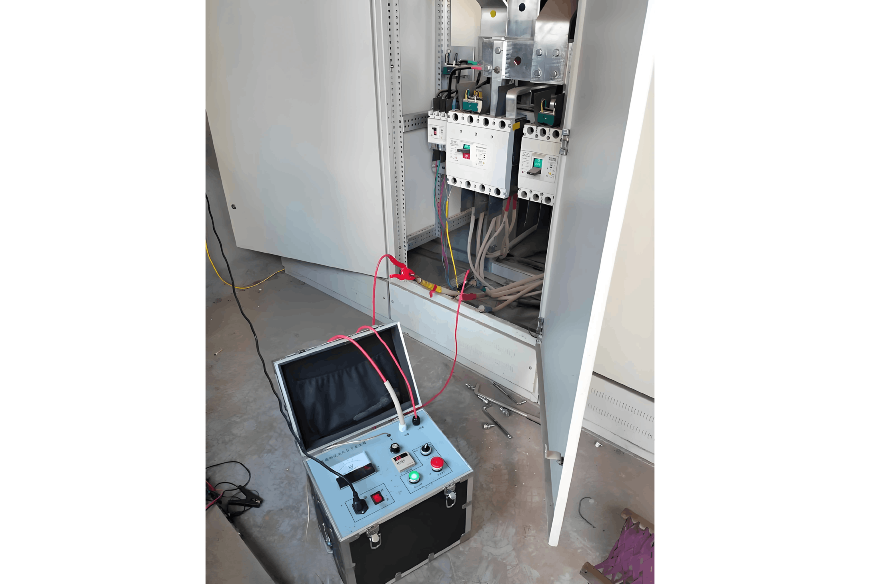
High-Voltage Withstand Test: Apply a specified voltage to the cable to verify its insulation capability and dielectric strength.
Shielding Effectiveness Test: Use high-frequency or DC methods to test the cable’s shielding effectiveness and evaluate its electromagnetic interference (EMI) resistance.
Bending Radius Test: Perform a bending radius test on the cable to ensure its flexibility and bending performance meet requirements.
Tensile Strength Test: Conduct a tensile test on the cable to assess its resistance to pulling forces.
Cable Joint Test: Measure the contact resistance at cable connection points to verify that connections are secure and reliable, preventing issues such as poor contact or excessive contact resistance.
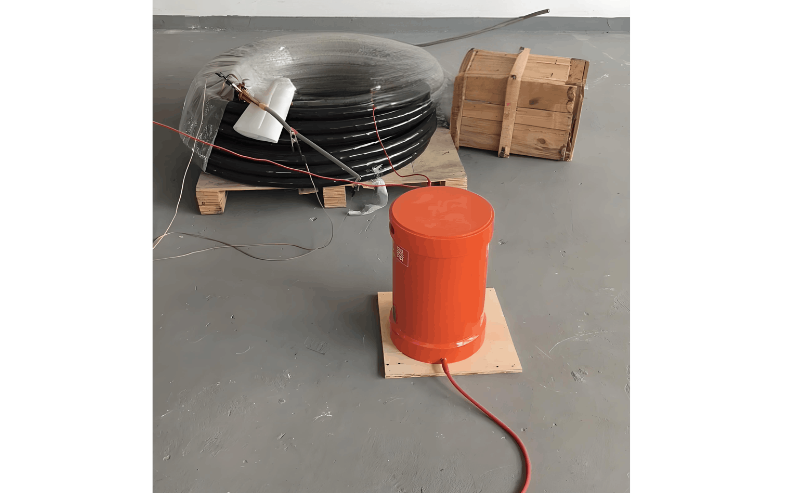
Grounding Test: Measure the grounding resistance of the cable circuit and associated equipment. Proper grounding ensures safety and reduces the risk of insulation breakdown.
Leakage Current Test: Use a leakage current meter to measure leakage current in the cable circuit, identifying potential issues such as insulation failure or leakage.
Cable Load Test: Perform a load test on the cable circuit to ensure balanced loading and prevent overloading and overheating.
Interference Elimination Test: Detect potential interference in the surrounding environment, such as electromagnetic fields or waves, measure signal fluctuations on the cable, and confirm the presence of external interference.
Insulation Material Test: Test the insulation material within the cable to evaluate its performance and prevent issues related to aging, degradation, or reduced insulation properties.
The above are common contents of power cable quality inspection and testing. Conducting these tests enables assessment of whether the cable’s quality and performance meet relevant standards and regulations, thus ensuring reliable operation of the cable within power systems.