Poor cable management can lead to signal interference through several mechanisms:
Electromagnetic Interference (EMI):
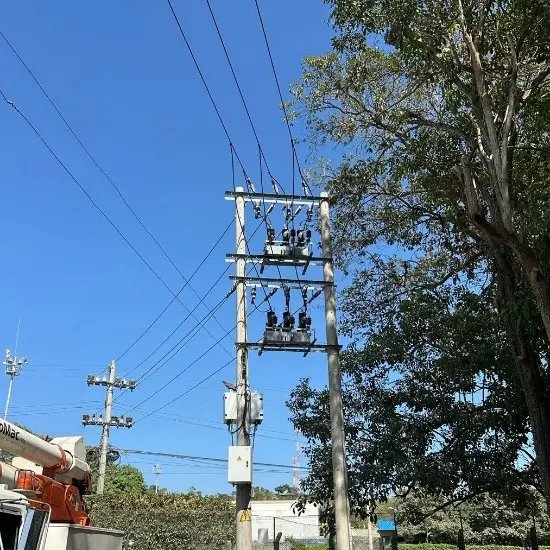
Proximity Effect: If signal cables are placed too close to power lines or other devices that generate strong electromagnetic fields (such as motors or transformers), it can cause electromagnetic interference. This interference can degrade signal integrity, especially in high-frequency signal transmission.
Cross-Coupling: When multiple signal cables are laid parallel and too close together, signals from one cable can couple into another, causing crosstalk. This is particularly common in data communication systems and can lead to data errors or loss.
Grounding Issues:
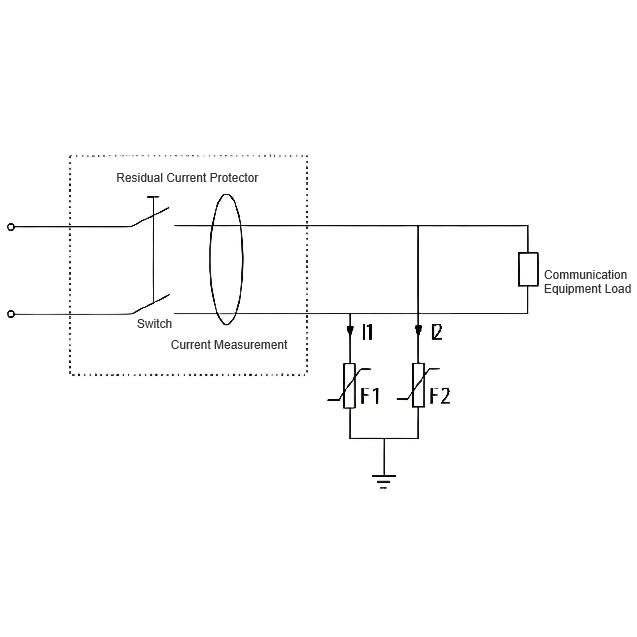
Ground Loops: Improper shielding or grounding of cables can create ground loops. Ground loops cause currents to flow between different grounding points, generating noise and interference that can affect signal quality.
Floating Grounds: If equipment is not properly grounded, or if there are differences in ground potential between multiple devices, the signal reference point may become unstable, leading to signal distortion or noise.
Cable Damage:
Physical Damage: Mechanical damage to cables, such as crushing, stretching, or cutting, can damage internal conductors or insulation, leading to signal leakage or short circuits, which can cause interference.
Aging and Corrosion: Long-term exposure to moisture, heat, or chemicals can cause the insulation material to age or corrode, reducing its electrical performance and increasing the risk of signal interference.
Disorganized Wiring:
Chaotic Wiring: If cables are installed in a disorganized manner, it not only makes maintenance and troubleshooting difficult but also increases the likelihood of mutual interference between cables. For example, intertwining signal cables with power lines can increase the risk of EMI.
Lack of Labeling: Without clear labeling, there is a higher chance of misconnections, such as connecting a signal cable to a power terminal or using the wrong type of cable, which can lead to signal interference.
Shielding Failure:
Inadequate Shielding: If the shielding layer of a cable is not properly installed or grounded, or if the shielding itself is defective, external electromagnetic interference can penetrate the cable, affecting signal transmission.
Shield Discontinuity: In long-distance installations, if the shielding layer is interrupted or poorly connected at any point, it can weaken the shielding effect, making the cable more susceptible to external interference.
Reflection and Standing Waves:
Improper Termination: If the termination impedance of a cable does not match the characteristic impedance of the transmission line, it can cause signal reflections, leading to standing waves. These standing waves can introduce additional noise into the cable, degrading signal quality, especially in high-speed digital communications, and can result in data transmission errors.
How to Improve Cable Management to Reduce Signal Interference
Plan Wiring Paths Carefully: Avoid laying signal cables parallel to power lines or other high-noise sources. Maintain adequate separation, especially for sensitive analog signals or high-speed digital signals.
Use Shielded Cables: Choose appropriate shielded cables and ensure that the shielding is correctly grounded to effectively isolate external electromagnetic interference.
Prevent Ground Loops: Ensure consistent grounding of all equipment to avoid forming ground loops. Consider using isolation transformers or optocouplers to break ground loops.
Regular Inspection and Maintenance: Regularly inspect the physical condition of cables to ensure there is no damage or aging. Replace aged cables promptly to maintain good electrical performance.
Organize and Label Cables: Keep wiring neat and orderly, avoiding chaos. Clearly label each cable to facilitate maintenance and troubleshooting.
Ensure Proper Termination: Match the termination impedance of the cable to the characteristic impedance of the transmission line to minimize signal reflections and standing waves.