Design of an Intelligent Control System for Fully Enclosed Disconnectors in Distribution Lines
Intelligentization has become an important development direction for power systems. As a critical component of the power system, the stability and safety of 10 kV distribution network lines are vital to the overall operation of the power grid. The fully enclosed disconnector, as one of the key devices in distribution networks, plays a significant role; thus, achieving its intelligent control and optimized design is of great importance for enhancing the performance of distribution lines.
This paper introduces an intelligent control system for fully enclosed disconnectors based on artificial intelligence technology, enabling remote control, condition monitoring, fault early warning, and other functions. Additionally, the design is optimized to reduce operational energy consumption and costs, thereby improving the economic efficiency and environmental sustainability of distribution lines.
1.Research Background: Characteristics of 10 kV Distribution Lines and Fully Enclosed Disconnectors
1.1 Characteristics and existing issues of 10 kV distribution lines
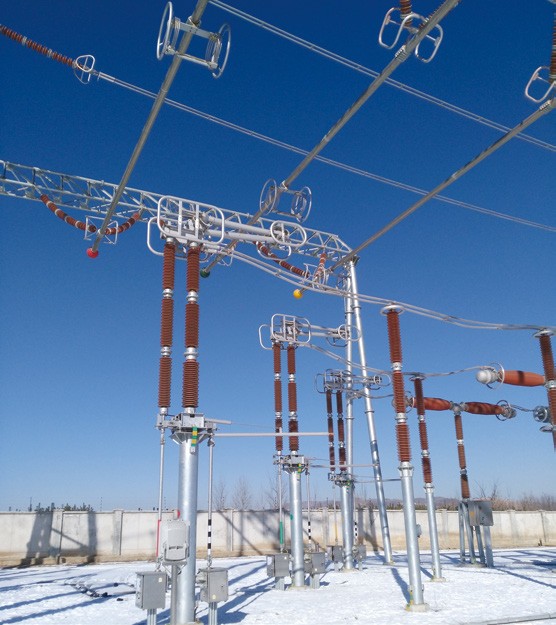
10 kV distribution lines are a core component of China’s power system, characterized by wide coverage, long line lengths, numerous nodes, and complex operating environments. These characteristics bring several challenges. First, the extensive length and large number of nodes make operation and maintenance difficult, requiring substantial manpower and resources. Second, due to the complex operating environment, 10 kV distribution lines are highly susceptible to natural and human-induced factors, resulting in high fault rates. Third, significant transmission losses lead to high energy consumption. These issues pose challenges to the stable operation of the power system and efficient power distribution. Therefore, effective measures are needed to address these problems and improve the operational efficiency and stability of 10 kV distribution lines.
1.2 Role and characteristics of fully enclosed disconnectors
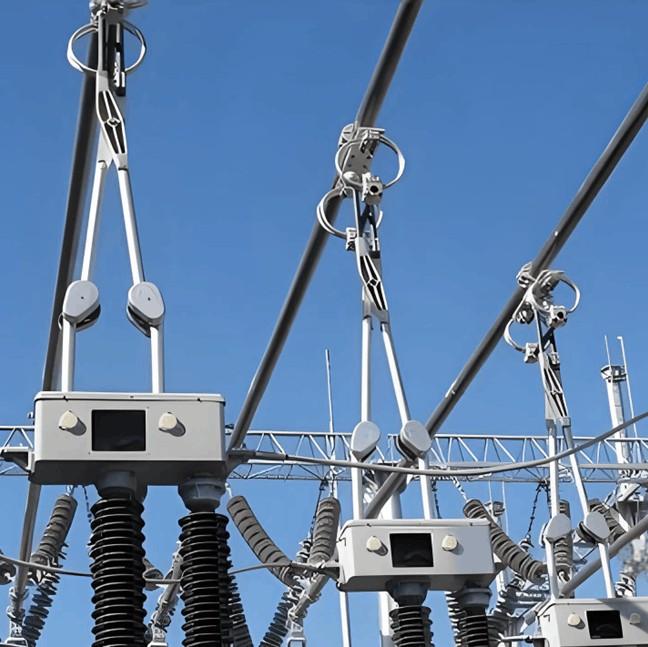
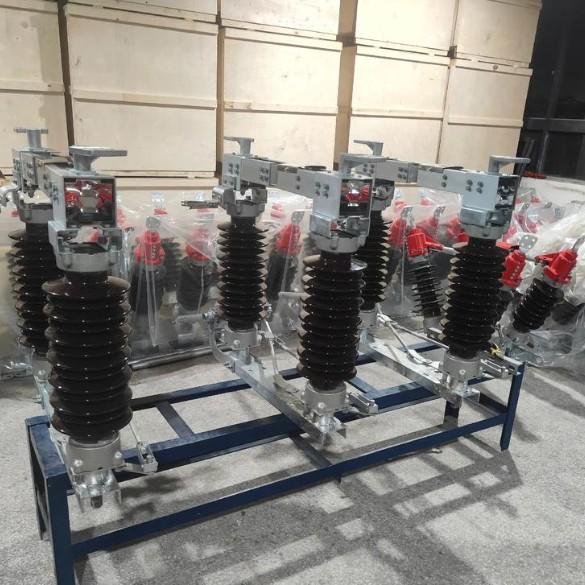
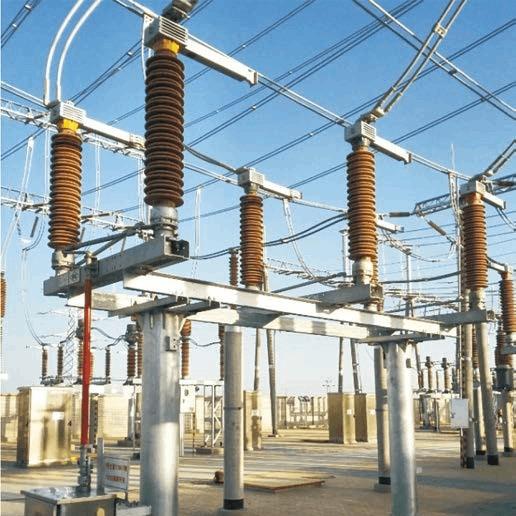
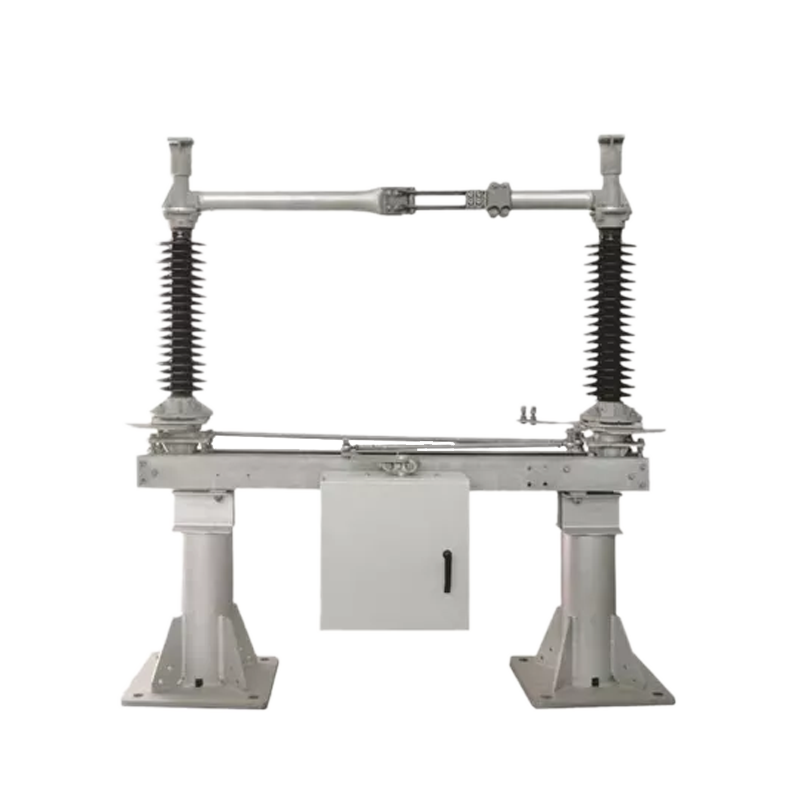
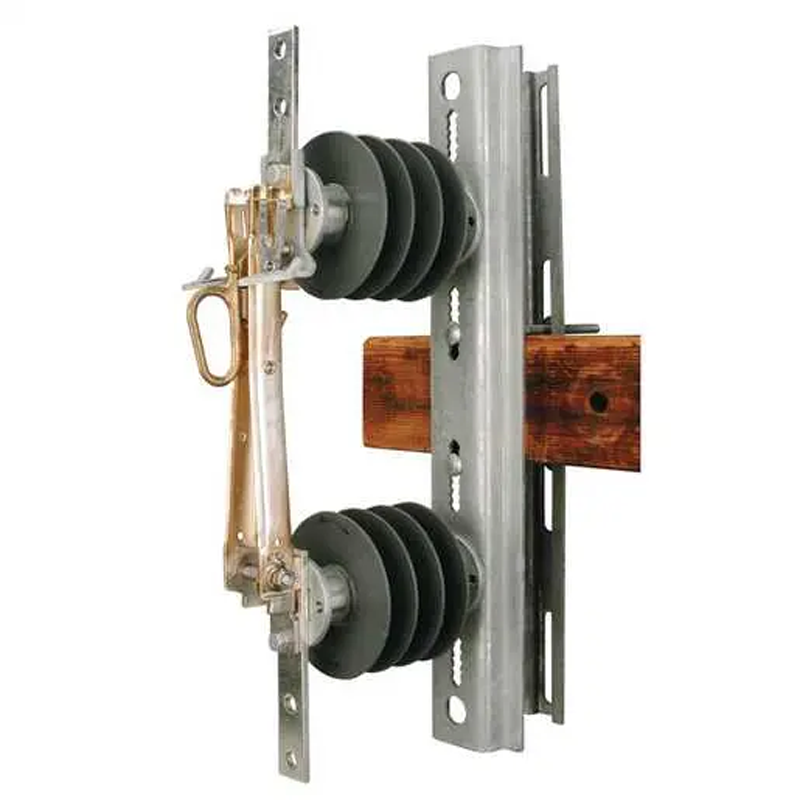
Fully enclosed disconnectors are important power equipment featuring remote control, condition monitoring, fault early warning, compact size, and long service life. They are widely used in distribution networks for segmentation, interconnection, and switching. These disconnectors enhance operational efficiency, enable real-time monitoring of switch status, provide data support for maintenance personnel, issue timely warnings for abnormal conditions, and offer convenient installation and maintenance. Their fully enclosed design effectively shields against external environmental influences, extending service life.
1.3 Existing problems with current fully enclosed disconnectors
Despite their advantages, current market products still have shortcomings. First, remote control accuracy is insufficient, potentially causing unintended operations or failure to operate, thereby affecting power system stability. Second, the scope of condition monitoring is limited and cannot fully reflect the actual operating status, causing difficulties for maintenance staff. Third, due to design flaws and material selection, energy consumption remains relatively high, which is unfavorable for energy conservation and emission reduction. Therefore, improvements and optimizations are necessary to enhance the performance and quality of fully enclosed disconnectors.
2.Architecture of the AI-Based Intelligent Control System for Fully Enclosed Disconnectors
Design of the intelligent control system architecture
The intelligent control system is the core component for achieving automated and intelligent device operation. To meet control requirements and improve operational efficiency, this paper proposes an intelligent control system architecture composed of sensors, data acquisition modules, data processing modules, control modules, and actuators.
2.1 Hardware system composition and functions
The intelligent control system comprises sensors, data acquisition modules, data processing modules, control modules, and actuators. Sensors act as the system’s sensory organs, continuously monitoring device status and environmental parameters. The data acquisition module preprocesses sensor data and transmits it to the data processing module. The data processing module performs real-time analysis and formulates control strategies based on analytical results and control objectives. The control module generates corresponding control commands, and the actuators execute precise control actions. Through coordinated operation of these components, the system achieves automated and intelligent device operation, enhancing efficiency and performance.
2.2 Software system implementation and workflow
The software component of the proposed intelligent control system includes data acquisition, data processing, control strategy formulation, and execution control:
(1) Sensors continuously monitor device status and environmental parameters, transmitting data to the data acquisition module for preprocessing.
(2) The data processing module analyzes preprocessed data in real time, extracts useful information, and formulates control strategies based on analysis results and control goals. The control module outputs instructions accordingly, and actuators precisely control the device, enabling automated and intelligent operation. This workflow ensures the device can dynamically adjust based on real-time data and environmental conditions, improving operational efficiency and quality.
3.Optimized Design of the Fully Enclosed Disconnector
3.1Optimization objectives and methods
Defining clear optimization objectives—such as improving operational efficiency, reducing energy consumption, and enhancing stability—is a prerequisite for intelligent system design. Appropriate design methods, including model-based design, optimization algorithms, and artificial intelligence, are then selected to identify optimal solutions considering multiple factors.
3.2Material selection and structural design
After establishing optimization goals and methods, material selection and structural design follow. Material selection considers performance, cost, and reliability to meet practical requirements. Structural design accounts for shape, size, weight, and compatibility with other equipment, aiming for simplicity and compactness to improve maintainability and operability.
3.3Performance evaluation and experimental validation
Following material and structural design, performance evaluation and experimental validation are conducted. Performance evaluation uses simulation and computer modeling to predict behavior, while experimental validation involves real-world operation to collect performance data. Experimental validation is crucial to ensure the design meets practical needs and represents the final step in intelligent control system development.
4.Implementation and Experimental Validation of the Intelligent Control System
4.1Implementation and validation of remote control functionality
Remote control, a key feature of the intelligent system, enables device operation via internet or wireless networks.
(1) A remote control module is integrated, supporting remote command reception, parsing, and execution.
(2) Experimental tests verify the accuracy and stability of remote control. Results confirm the system correctly interprets and executes commands with timely response and adequate speed.
4.3 Implementation and validation of condition monitoring functionality
Condition monitoring enables real-time tracking of device status and early anomaly detection.
(1) Sensors and data acquisition modules are integrated to collect operational data continuously.
(2) Data processing and analysis modules evaluate data to determine normal or abnormal status.
(3) Experiments validate the accuracy and reliability of monitoring. Results demonstrate real-time status tracking and timely alerts or corrective actions upon anomalies.
4.4 Implementation and validation of fault early warning functionality
Fault early warning detects potential failures before they occur, minimizing impact on production and daily life.
(1) A fault early warning module is integrated, featuring fault detection, diagnosis, and alerting capabilities.
(2) Experiments verify the timeliness and accuracy of warnings. Results show the system reliably predicts and alerts operators to impending faults with actionable and accurate notifications.
4.5 System performance evaluation and experimental result analysis
After validating remote control, condition monitoring, and fault warning functions, overall system performance is evaluated based on stability, reliability, accuracy, and response speed. Analysis of experimental results identifies potential issues and areas for improvement, providing guidance for future development.
5.Conclusion
By implementing an artificial intelligence–based intelligent control system, fully enclosed disconnectors can achieve remote control, condition monitoring, and fault early warning, thereby enhancing the stability and safety of distribution lines. Simultaneously, optimized design reduces operational energy consumption and costs, improving economic efficiency and environmental sustainability.