A Brief Analysis of Maintenance and Management of High-Voltage Disconnectors
High-voltage disconnectors are widely used in China’s power systems due to their convenient operation and strong practicality. However, during long-term operation, serious faults such as insulator fracture and failure to open/close still occur, significantly impacting the normal operation of power systems [1]. Based on this, this paper analyzes common faults of high-voltage disconnectors during operation and proposes corresponding solutions based on actual working conditions to improve management efficiency.
1.Common Faults of High-Voltage Disconnectors During Operation
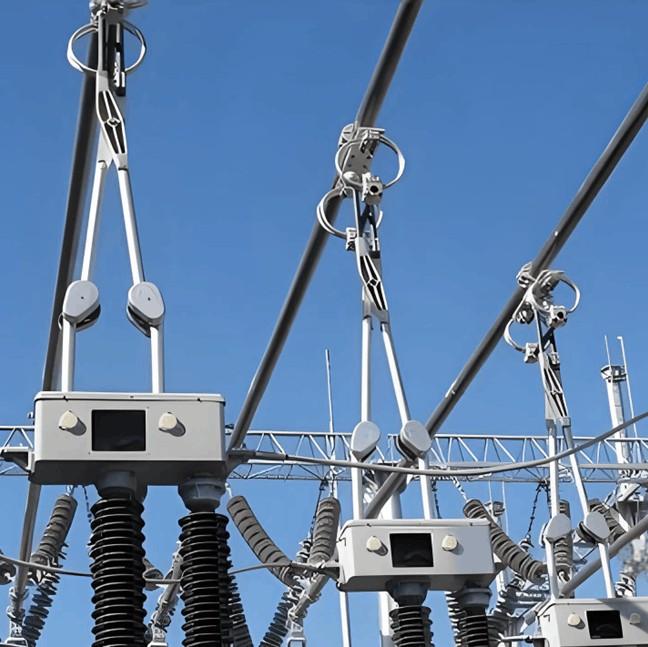
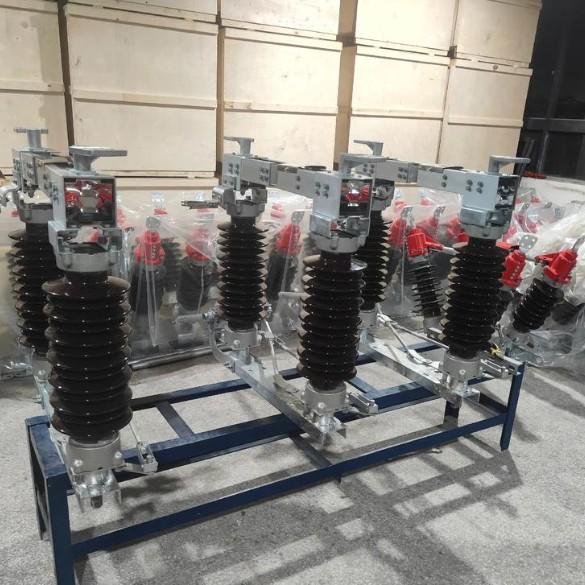
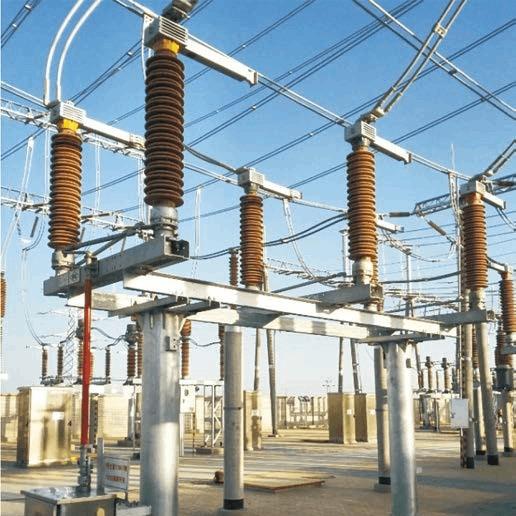
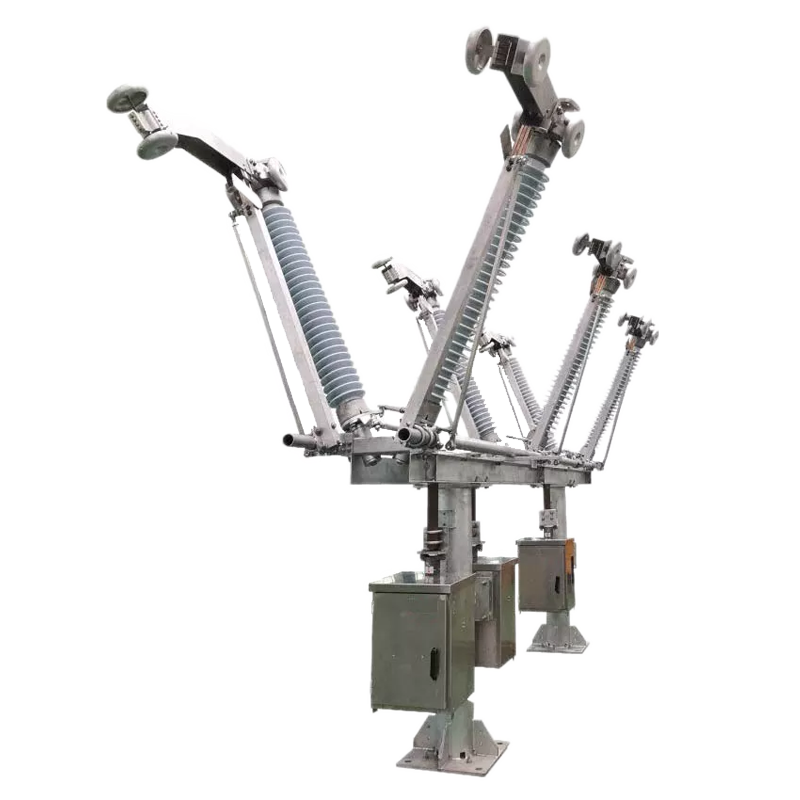
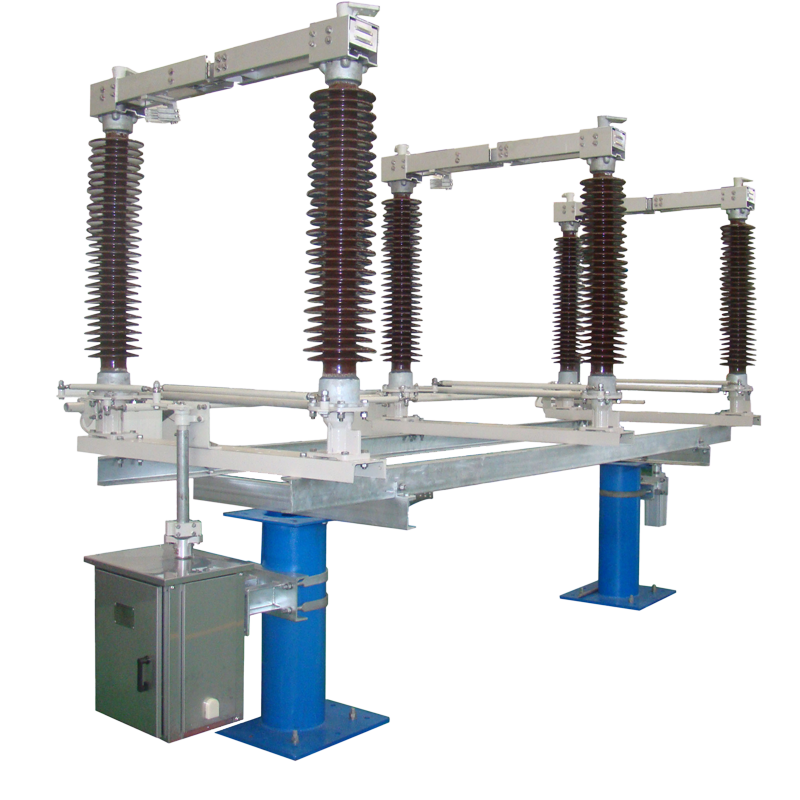
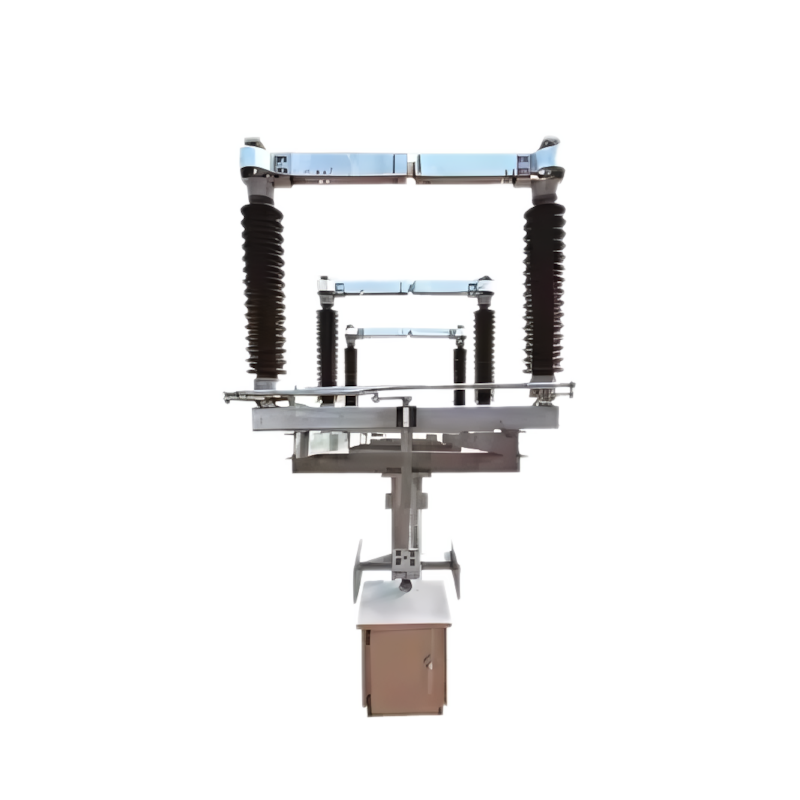
A high-voltage disconnector is a commonly used electrical device that provides electrical isolation—under no-load conditions—for high-voltage busbars, circuit breakers under maintenance, and live high-voltage lines (as shown in Figure 1). It ensures safety during maintenance of high-voltage equipment, yet various issues persist during use.
1.1 Overheating of the Conductive System
The most common issue in high-voltage disconnectors is overheating of the conductive system. Normally, the operating current remains within a specified range; however, when the rated current exceeds this range, overheating occurs. Additionally, prolonged tension, rusting, or loss of elasticity in contact springs can also lead to excessive heating.
1.2 Incomplete Opening or Closing
Mechanical jamming can directly cause incomplete opening or closing of the disconnector. This includes improper adjustment of open/close limit screws, incorrect travel settings of auxiliary switches, and transmission failures caused by deformed linkages—all of which adversely affect normal operation of power equipment.
1.3 Jamming of Rotating Parts in the Drive Mechanism
During operation, rotating components in the drive mechanism often experience jamming. This increases the required operating stroke, leads to incomplete opening/closing, and may result in refusal to open or close, thereby threatening both system stability and operator safety.
1.4 Fracture of Support Porcelain Insulators
Corrosion and rust in moving parts reduce operational flexibility, increasing the torque required for opening/closing operations. If operators force operation under such conditions, mechanical deformation can occur, ultimately causing the support porcelain insulator to fracture.
2.Fault Handling Methods for High-Voltage Disconnectors
2.1 Handling Insulator Fracture
Insulator fracture can cause complete power system failure and pose serious risks to personnel. Therefore, timely handling is essential. First, strict quality control must be enforced during material procurement to ensure qualified insulators. Second, thorough pre-commissioning inspections should be conducted to detect and address defects early.
2.2 Addressing Conductive System Overheating
Conductive system overheating is a frequent issue that severely affects equipment reliability [4]. To mitigate this, stainless steel components can be used, and contact insertion depth should be properly adjusted. Infrared thermography should be employed for regular temperature monitoring, enabling prompt response to overheating. Additionally, since rust is a common problem, regular anti-corrosion maintenance is critical—for example, using stainless steel parts or applying molybdenum disulfide lubricant to moving components.
3.Measures to Strengthen Management of High-Voltage Disconnectors
3.1 Enhancing Basic Management
Effective basic management involves several key actions:
Selecting high-quality, high-performance disconnectors suited to the specific operating environment to minimize failures.
Establishing a comprehensive maintenance system covering quality inspection criteria, equipment models, and standardized maintenance procedures.
Creating complete technical archives that include original documentation, installation records, commissioning reports, operational logs, and maintenance history.
3.2 Monitoring Operational Conditions
To ensure reliable operation, continuous monitoring is essential:
Perform manual operation checks to assess mechanical flexibility and inspect for insulator cracks, documenting all findings.
Conduct regular thermal inspections of the conductive system to detect overheating.
Maintain detailed records of all maintenance activities, including defect descriptions and corrective actions, to support future troubleshooting and decision-making.
4.Conclusion
To enhance the maintenance and management of high-voltage disconnectors, power enterprises must select appropriate equipment based on actual operating conditions, continuously monitor operational status, and promptly address emerging faults. These measures will improve the safety and reliability of disconnectors, ensure their intended functionality, and further support the rapid and stable development of the power sector.