Application of DZT/SZT Automatic Voltage Regulators in Rural Power Grids
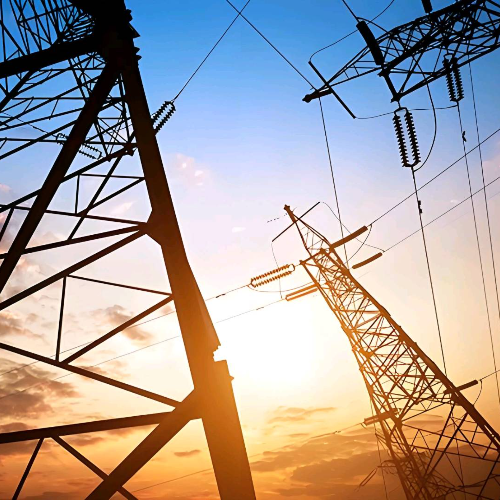
With the continuous improvement of living standards in rural areas, household appliances and various types of production-oriented electrical equipment have been widely popularized. However, the development of power grids in some remote areas is relatively lagging behind, failing to meet the rapidly growing demand for electricity load. These areas are vast with sparse population, large power supply line radius, and commonly suffer from low terminal voltage, unstable voltage, failure to start motors, unlit fluorescent lamps, and inability to normally use household appliances.
If conventional methods were adopted, such as adding new low-voltage distribution transformers to shorten the power supply radius or renovating low-voltage lines to solve the problem of low terminal voltage, it would require substantial investment and a long period.In response to the above situation, Rock will company has developed and produced the DZT/SZT automatic voltage regulator series products for agricultural networks, which can resolve the issue of low terminal voltage in rural power grids.
1.The working principle of the DZT/SZT automatic voltage regulator
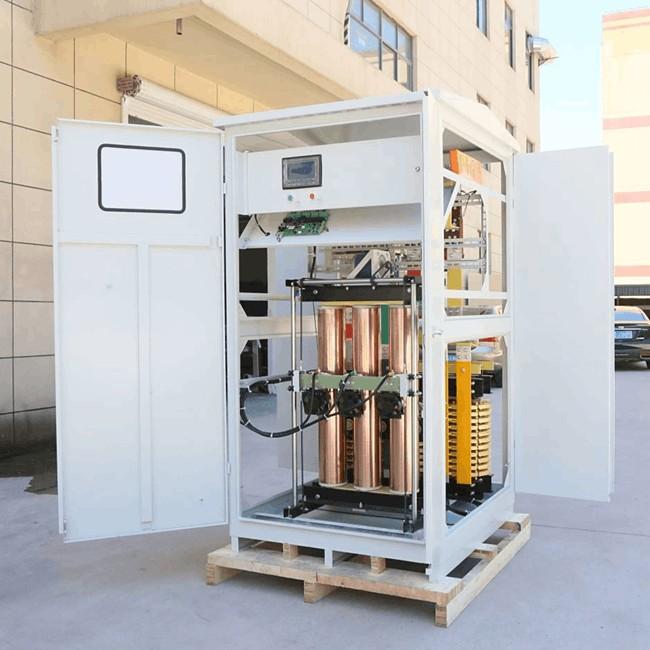
It consists of a control circuit, an auto-transformer or compensating voltage regulation circuit, an output circuit, and a bypass circuit. Figure 1 shows the principle block diagram of the three-phase product SZT automatic voltage regulator, while the single-phase product DZT automatic voltage regulator is a single-phase line.
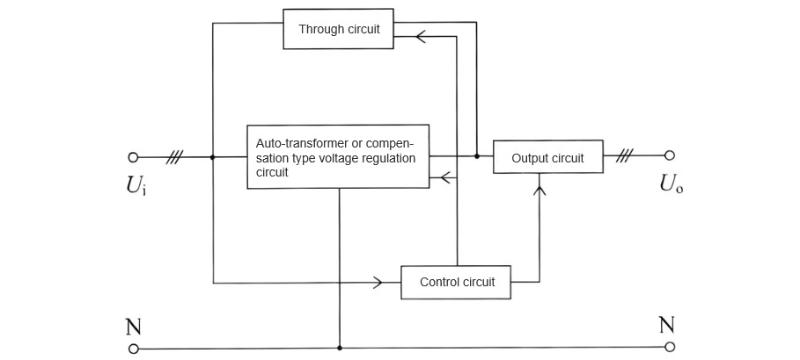
The control circuit compares the sampled input voltage with the reference voltage to control the operating state of the auto-transformer or compensating voltage regulation circuit. When the input voltage is low, the auto-transformer or compensating voltage regulation circuit enters a boost operation state; when the input voltage approaches the rated voltage value, the auto-transformer or compensating voltage regulation circuit exits the boost operation state, and the regulator enters a bypass operation state. A 40 kA surge protector is installed at the input end of the DZT/SZT automatic voltage regulator, effectively preventing damage to the regulator and subsequent loads caused by intrusive surge voltages. The DZT/SZT automatic voltage regulator can also be connected to the smart transformer monitoring system of the grid, allowing the main station of the system to monitor the operating conditions of the automatic voltage regulator in real-time.
2.Features
After the DZT/SZT automatic voltage regulator is connected in series into the line, it continuously and automatically boosts the voltage when the grid voltage drops below a certain set value; when the grid voltage recovers to near the rated value, it automatically switches to bypass operation with minimal power loss. The DZT/SZT automatic voltage regulator is simple and reliable, offers a wide compensation range, has strong load capacity, enables long-term maintenance-free operation, effectively prevents surge intrusion, and can be integrated into the grid’s intelligent distribution transformer monitoring system for real-time monitoring. The enclosure of the DZT/SZT automatic voltage regulator is robust, waterproof, and dustproof, with no special requirements for the operating environment.
2.1 DZT Automatic Voltage Regulator
The DZT automatic voltage regulator is a single-phase product. Its main circuit uses an autotransformer, and voltage regulation is achieved by switching taps via relays or AC contactors. It can operate under grid voltages as low as 110 V, maintaining the output voltage within ±10% of the rated value. The DZT automatic voltage regulator features a simple structure, lightweight and compact design, and easy installation. It is suitable for areas in mountainous or remote regions where single-phase loads are dispersed at the end of the rural power grid. Multiple units can be installed at various points along the end of low-voltage lines to address low-voltage issues for end-users in rural grids.
2.2 SZT Automatic Voltage Regulator
The SZT automatic voltage regulator is a three-phase product. Its main circuit uses either an autotransformer or a compensating transformer, with thyristor modules used for tap switching and independent voltage regulation per phase. The output voltage can be maintained within ±5% of the rated value. The SZT automatic voltage regulator is suitable for installation downstream of low-voltage distribution transformers and can resolve low-voltage problems across an entire distribution transformer service area.
3.Applications
Since 2011, the DZT/SZT automatic voltage regulators have been successively deployed in rural power grid low-voltage mitigation projects in provinces and municipalities including Shanxi, Shaanxi, Sichuan, Zhejiang, Chongqing, Qinghai, and Shandong. These regulators require low investment, deliver quick results, offer long service life, involve minimal operation and maintenance, and provide reliable voltage stabilization—effectively solving low-voltage issues at the terminals of rural power grids caused by excessively long supply radii and heavy loads.
-
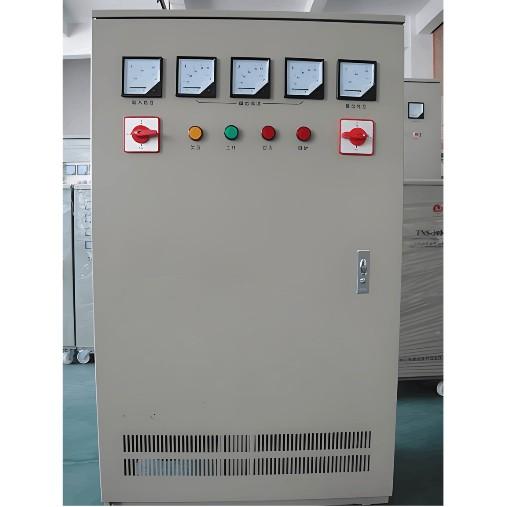
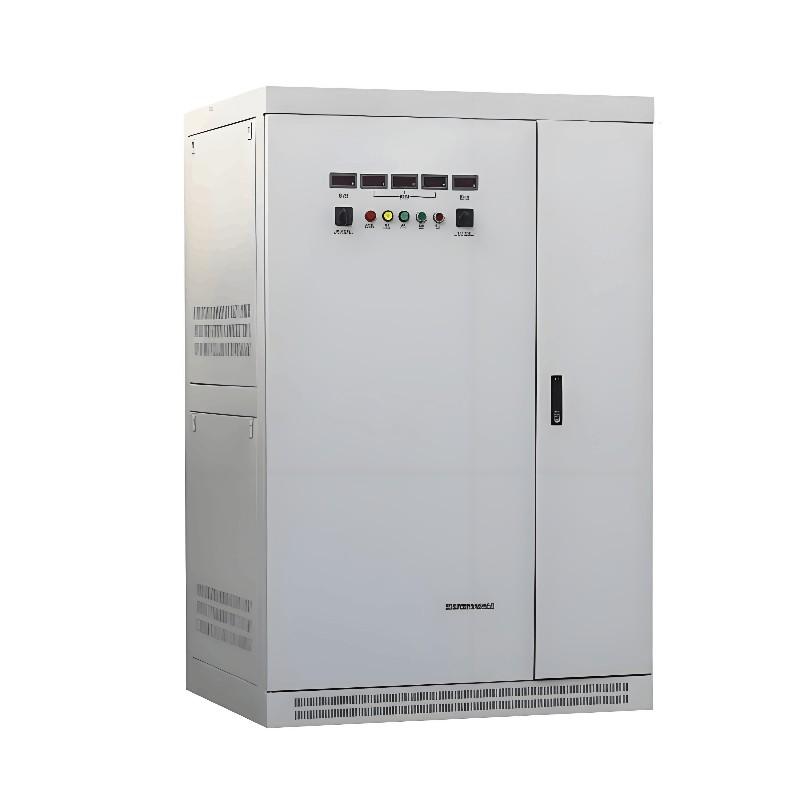
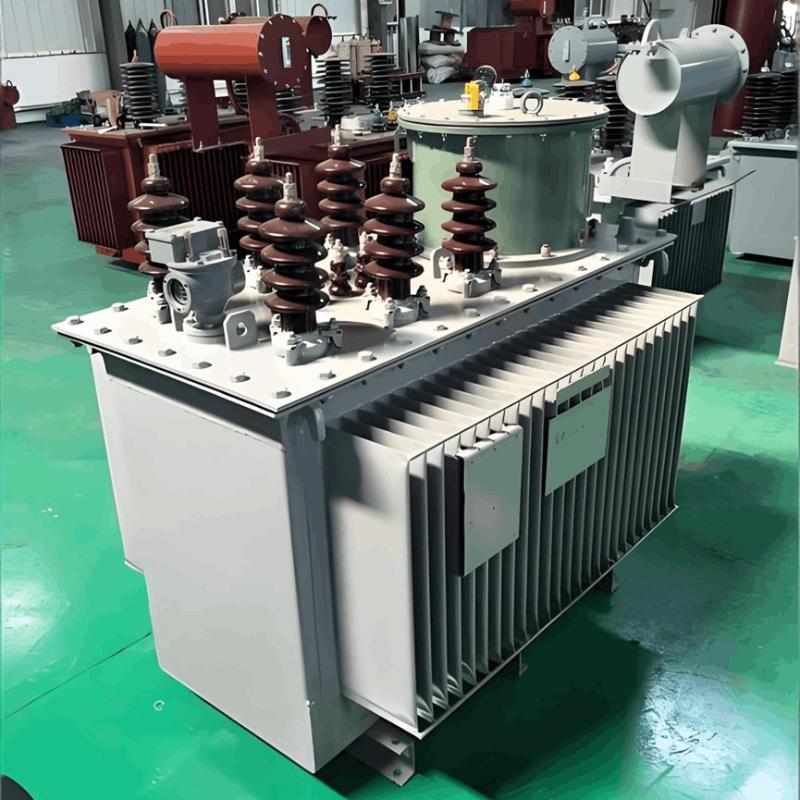
Single Phase Automatic Voltage Regulator – 7.62 kV 13.8 kV 14.4 kV 19.92 kV 34.5 kV IEC 60076 compliant for Power Industry

-
Three Phase Automatic Step Voltage Regulator for Continuous / Step voltage regulation 13.8kV 14.4kV 19.92kV 34.5kV

-
Continuous / Step voltage regulation step voltage regulator 6kV 6.35kV 11kV 15kV 22kV 33kV – IEEE

-
6kV 6.35kV 7.62kV 13.2kV 13.8kV 14.4 kV Overhead Line Single Phase Automatic Step Voltage Regulator