Three Common Issues with Pressure Regulators and Their Professional Analysis
Voltage regulators (szsger.com) play a crucial role in modern industry, providing strong support for the stable operation of various equipment. However, during use, voltage regulators may encounter various problems that prevent equipment from operating normally. This not only affects production efficiency but also increases operational costs. This article will help you gain an in-depth understanding of common voltage regulator issues and provide practical solutions to ensure the stable operation of electrical systems.
1. Unstable Output Voltage
The output voltage of the voltage regulator fluctuates during operation and cannot remain stable at the set value, varying unpredictably between high and low levels.
This phenomenon can be caused by various factors, such as load effects or internal component failures. Solutions include checking whether the load is too high and appropriately reducing the load to improve stability. If internal components are damaged, qualified personnel should open the voltage regulator for inspection and repair, replacing faulty parts as necessary.
2. Excessive Noise
When the voltage regulator emits humming, buzzing, or other abnormal sounds during operation, this is clearly a typical symptom of system noise.
Excessive noise may result from loose or damaged internal components, airflow velocity, improper selection of the voltage regulator, or its installation location. The solution is to inspect whether internal components are loose; if looseness is found, components should be tightened immediately. If components are damaged, they must be replaced. If the issue is related to airflow velocity, regulator selection, or installation position, it is essential to select a voltage regulator type suitable for your system requirements and ensure a reasonable installation location to avoid resonance. Once abnormal noise is detected, the equipment should be shut down immediately for inspection to ensure normal operation.
3. Reduced Efficiency
In industrial production, if various pieces of equipment cannot operate efficiently together, the entire production line will be significantly affected. Reduced efficiency of the voltage regulator is a potential problem.
The causes of reduced efficiency may include aging, dirt accumulation, or valve body damage. Solutions such as replacing aged components, cleaning blockages, and upgrading the system can effectively improve its operational efficiency.
Voltage regulators are important electrical devices in power systems, but various issues may arise during their use. This article has introduced solutions for common voltage regulator faults, and we hope this information is helpful to you.
-
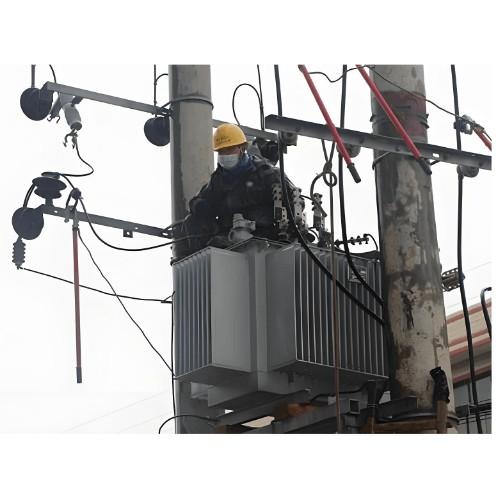
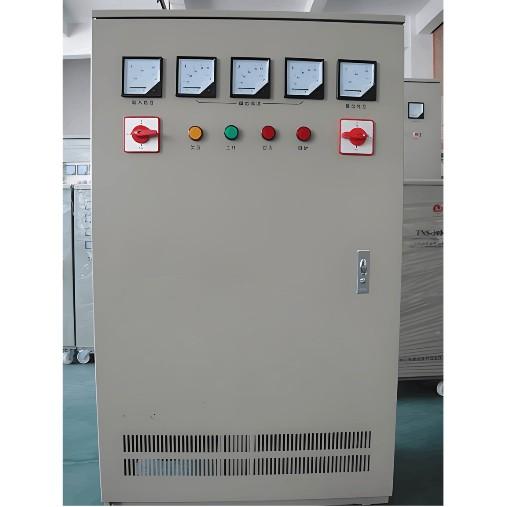
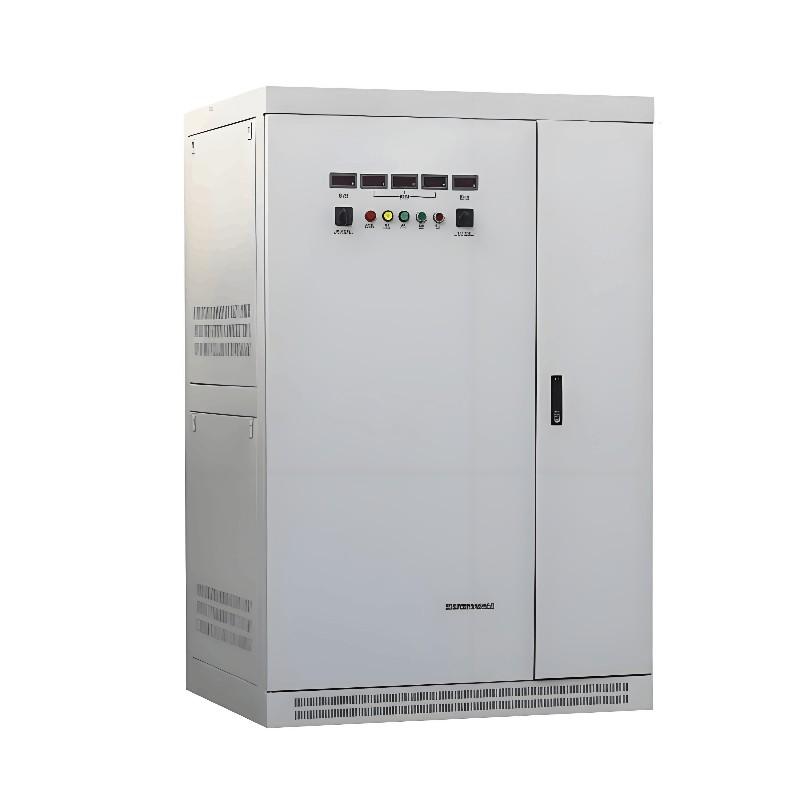
11kV 15kV 22kV 33kV Fully automated, maintenance-free 32 step voltage regulator for distribution lines

-
Automatic Tap - Changing Voltage Regulator – 7.62 kV 11kV 13.8 kV 14.4 kV 19.92 kV 34.5 kV, IEEE compliant for Power Industry

-
6kV 6.35kV 7.62kV 13.2kV 13.8kV 14.4 kV Overhead Line Single Phase Automatic Step Voltage Regulator

-
13.2kV 14.4kV 19.92 kV 33kV 34.5 kV Single Phase Pole Mounted voltage regulator control for Precise output voltage regulation