Three-Phase Voltage Regulator Selection: 5 Key Factors

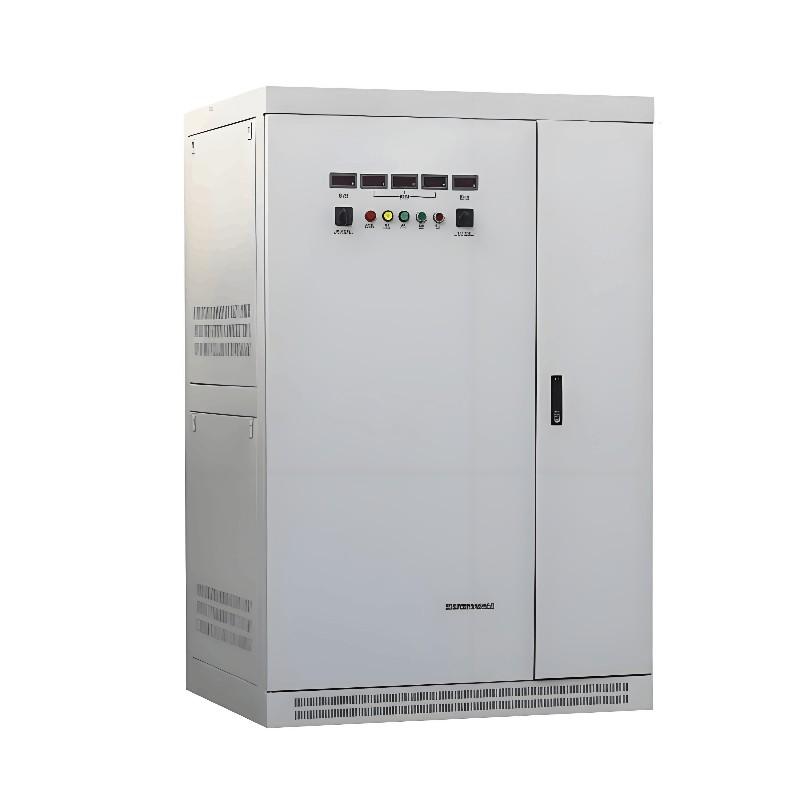
In the field of power equipment, three-phase voltage stabilizers play a crucial role in protecting electrical devices from damage caused by voltage fluctuations. Selecting the right three-phase voltage stabilizer is essential to ensure stable operation of equipment. So, how should one choose a three-phase voltage stabilizer? The following factors should be considered:
Load Requirements
When selecting a three-phase voltage stabilizer, it is essential to clearly understand the total power demand of all connected equipment. Sum up the power ratings of all devices to obtain the total load value. Load is typically expressed in kilovolt-amperes (kVA) or kilowatts (kW). Calculating the total load allows you to determine the required rated capacity of the stabilizer.Input and Output Voltage Range
Generally, industrial power supply voltage is 380V, while residential voltage is 220V. Choosing an appropriate input voltage range ensures the stabilizer operates normally, and selecting a suitable output voltage range guarantees proper functioning of the connected equipment. The output voltage is typically adjustable within a ±10% range.Voltage Regulation Accuracy
Generally speaking, the better the stability of the stabilizer, the smaller the output voltage fluctuation. Selecting a three-phase voltage stabilizer with high regulation accuracy provides better protection for equipment and enhances operational stability. For voltage-sensitive devices such as precision electronic instruments, output voltage accuracy should be controlled within ±1%.Efficiency and Power Consumption
When choosing a three-phase voltage stabilizer, its efficiency and power consumption must be taken into account. Higher efficiency means lower power loss, which is significant for energy conservation, environmental protection, and reducing operating costs. Therefore, users should select stabilizers with high efficiency and low power consumption to minimize energy waste and operational expenses.Environmental Factors
Temperature, humidity, altitude, and pollution levels can all affect the performance and service life of a voltage stabilizer. Users should select a model capable of stable operation under their specific environmental conditions to ensure long-term reliability. For example, in high-temperature environments such as workshops above 40°C, a stabilizer designed for elevated temperature operation should be chosen.
When selecting a three-phase voltage stabilizer, price should not be the sole deciding factor. Instead, a comprehensive evaluation of load requirements, input/output voltage ranges, regulation accuracy, efficiency and power consumption, and environmental conditions is necessary. Only by choosing a product that truly matches your needs can you achieve effective voltage stabilization, protect your equipment from damage, and improve overall operational efficiency.
-
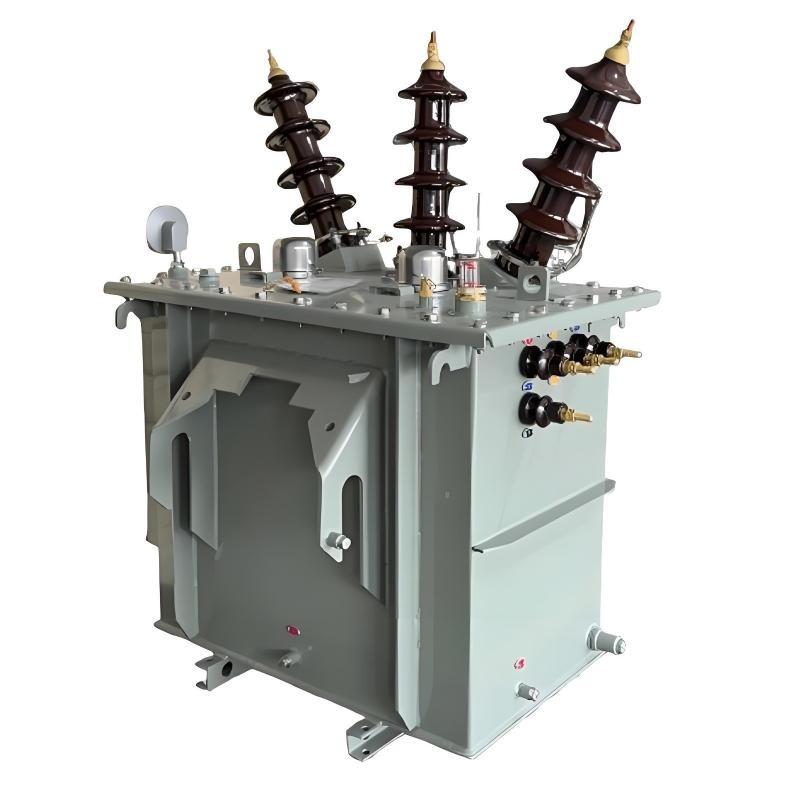
SVR - High Voltage Feed Voltage Regulating Transformer(distribution transformer)

-
13.2kV 13.8kV 14.4kV 19.92kV IEC Standard voltage regulator control compliant for Industrial Manufacturing Industry

-
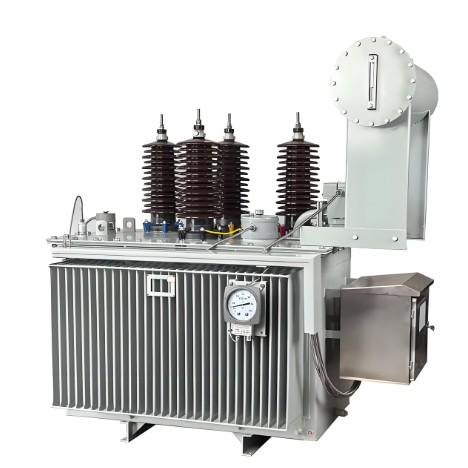
Voltage stabilization and compensation overhead voltage regulator 6kV 6.35kV 11kV 15kV 22kV 33kV – IEEE for Power Industry

-
11kV 15kV 22kV 33kV Fully automated, maintenance-free 32 step voltage regulator for distribution lines