• Product
  • Suppliers
  • Manufacturers
  • Solutions
  • Free tools
  • Knowledges
  • Experts
  • Communities
Search


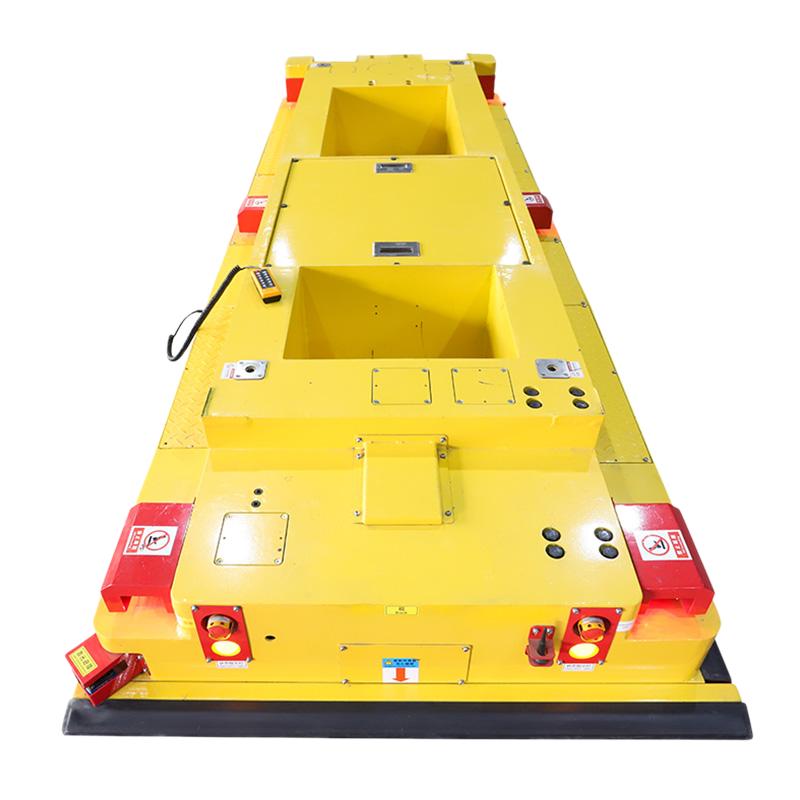
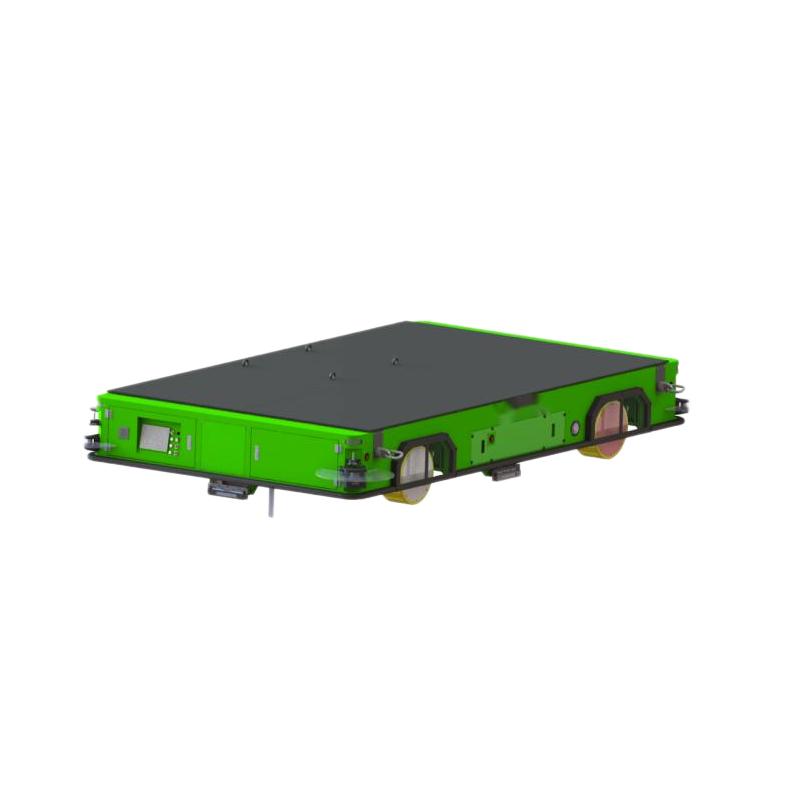
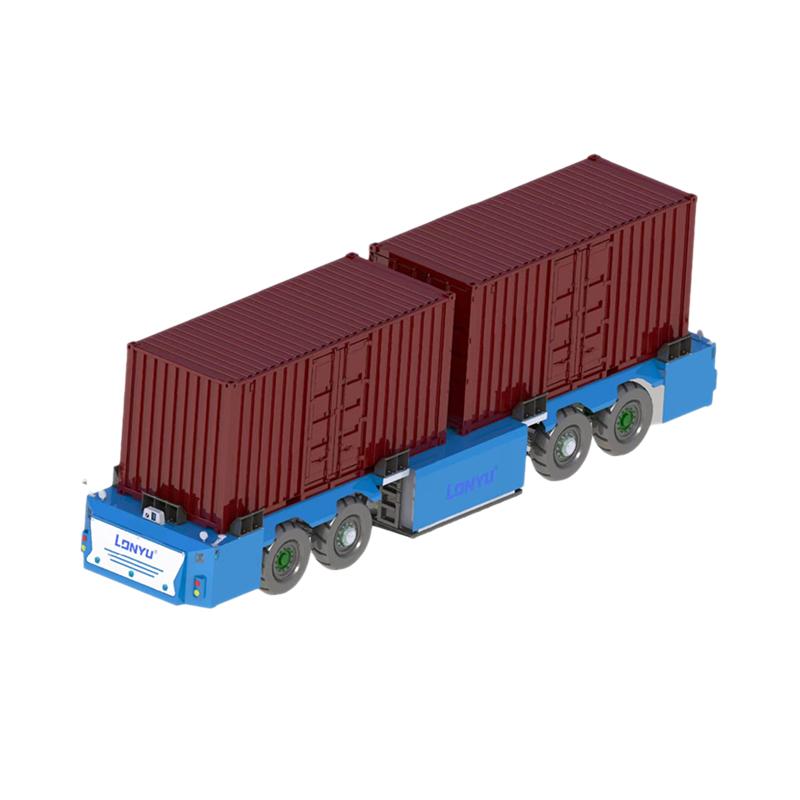
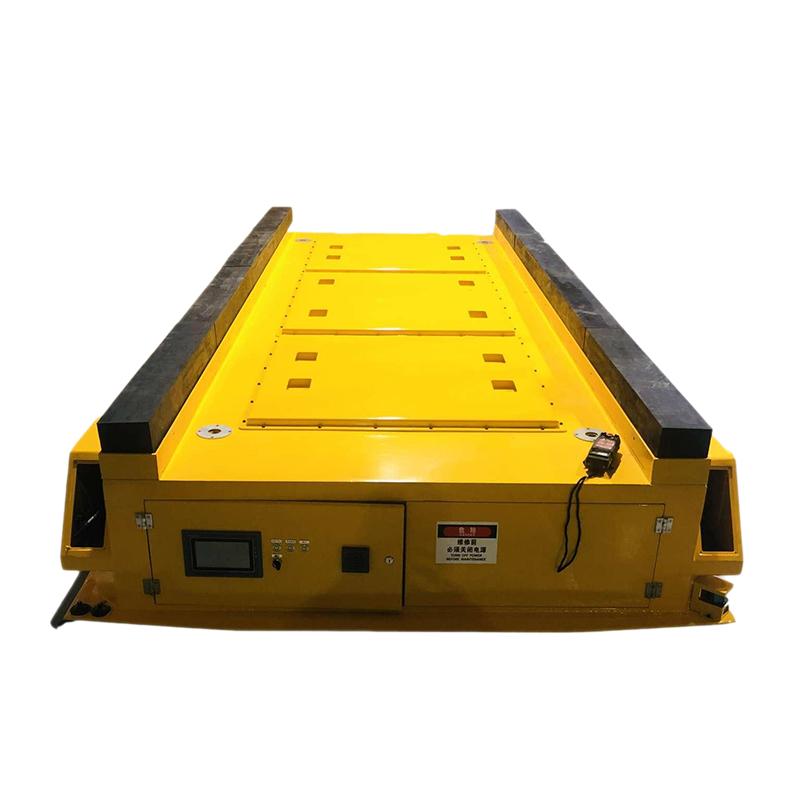
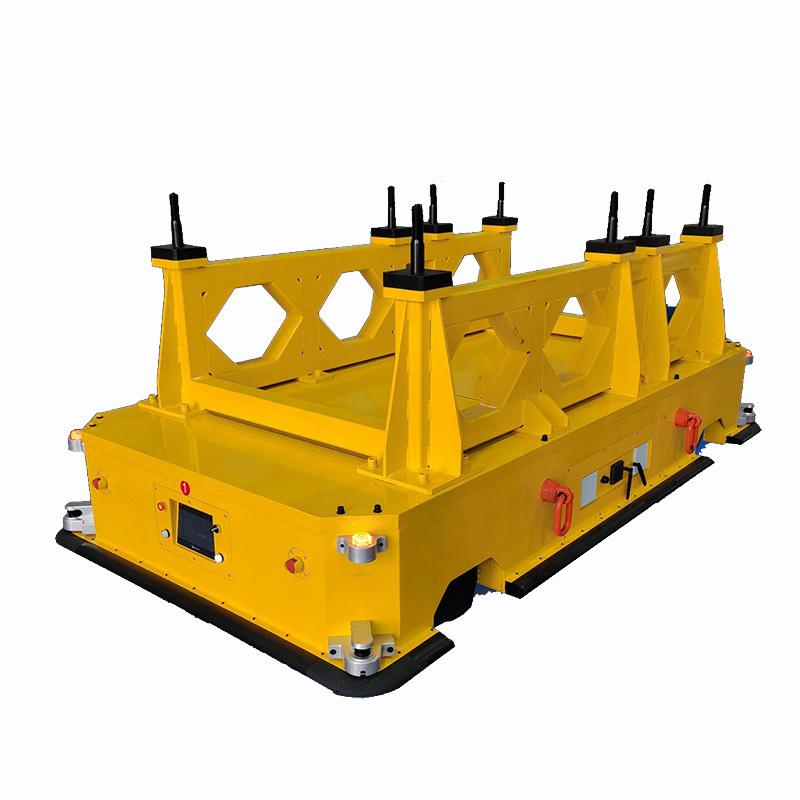
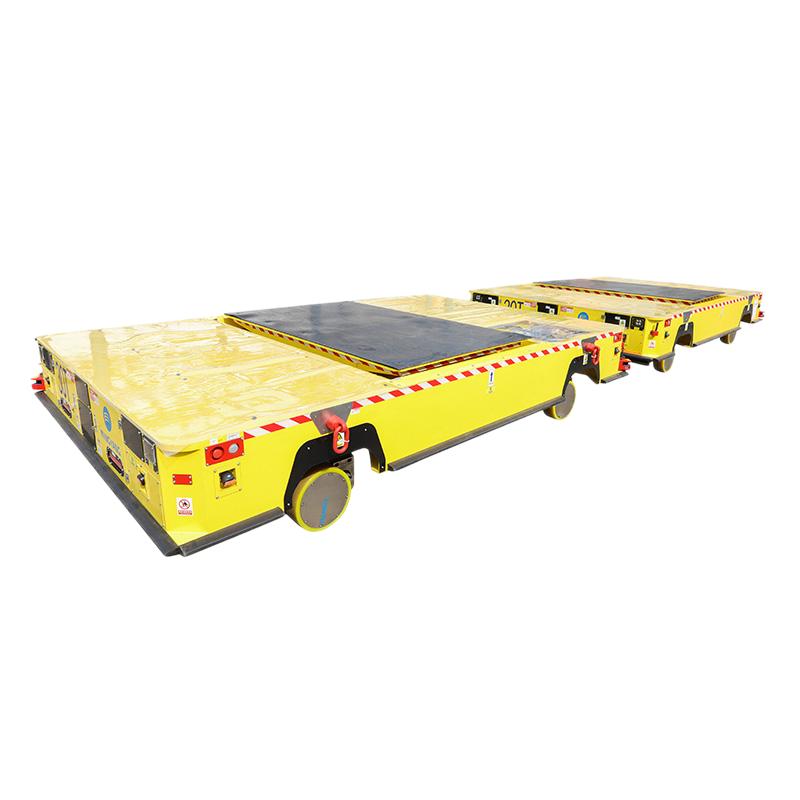
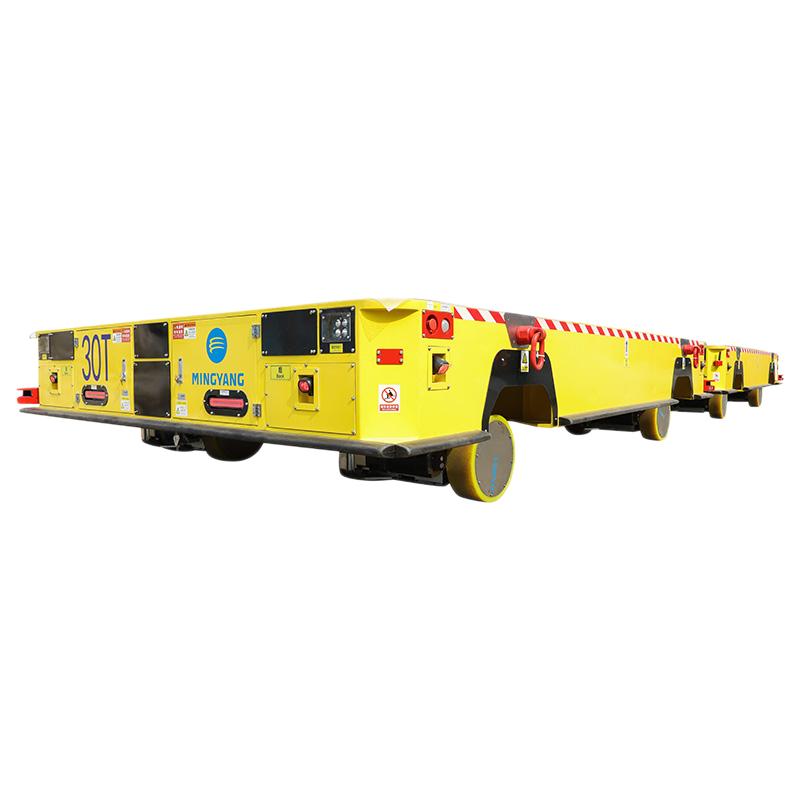
30 ton Double vehicle linkage AGV

  • 30 ton Double vehicle linkage AGV
  • 30 ton Double vehicle linkage AGV
  • 30 ton Double vehicle linkage AGV

Key attributes

Brand Wone Store
Model NO. 30 ton Double vehicle linkage AGV
Rated Load Capacity 30 ton
Series LY-AK-30T

Product descriptions from the supplier

Description

SLAM Navigation- Dual-vehicle Linkage Heavy-duty AGV

The servo motor-driven differential drive is used as the walking part of the vehicle, so that it can move in any direction in a two-dimensional plane, including straight, horizontal, rotation and other forms of movement.

30-ton dual-vehicle linkage AGV, rated load 30T, the equipment is equipped with a handheld remote control, which can be manually controlled/laser automatic navigation to realize the movement of the whole vehicle.

Carrying products 11-27 meters, linkage distance adjustable

Technology Parameters

Product name: 30-ton partial lifting AGV-double-car linkage
Rated load: 30T
Vehicle mass: 9T
Movement direction: straight forward and backward, horizontal movement, rotation in place
Product size: 5000mm*3000mm*660mm
Lifting height: 140mm
Chassis ground clearance: 80mm
Drive mode: differential
Protection level: IP65
Navigation mode: manual control
Use scenario: indoor, outdoor
Driving speed/no load/full load: 0-60m/min
Battery type: lithium battery
Safety protection: laser obstacle avoidance sensor + safety edge touch + sound and light alarm + emergency stop button


The advantage of the dual-vehicle linkage AGV lies in its excellent AGV research and development capabilities. The product uses multiple heavy-duty transport vehicles to double the system’s rated load capacity. After being put into use, the transport AGV product works more flexibly and can be freely combined according to the needs of different working conditions to adapt to the transportation of different types of products.

For safety systems, AGVs include:

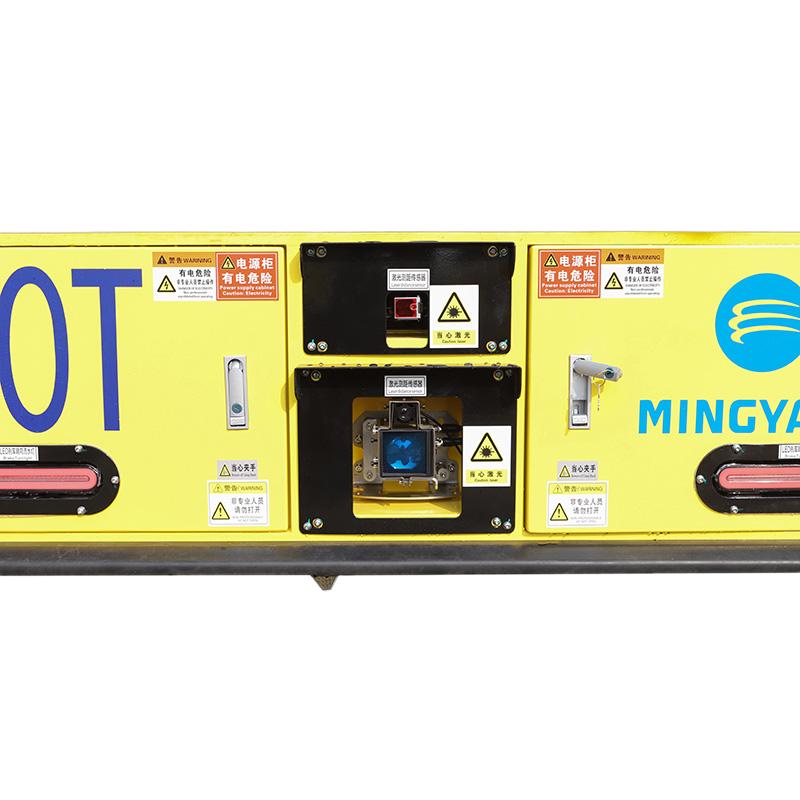
a)、 Sensor: When the car encounters a person or obstacle within a range of 0.3-3m, it will automatically stop. When the sensor is not in use, it can be turned off.

b) LED light: 1) Green, no obstacles detected within 3 meters of the cart; 2) Orange, obstacles detected within 1.5 meters of the cart; 3) Red, obstacles detected within a range of 30 centimeters from the cart.

c)、 Turn signal: There are two lights on each side, which automatically light up when the car turns left or right, reminding pedestrians to stay away from or move away from obstacles in advance

d)、  Anti collision strip: When the cart accidentally touches a person or obstacle, it can immediately stop automatically.

e)、Sound and light alarm: When the trolley moves, it continuously rings, which can alert personnel to stay away from the trolley path or move away from obstacles

f)、 Anti slip board: On the trolley platform, it has strong anti slip function, which can effectively protect the goods from slipping off.

g)、 Emergency stop: in case of emergency

h)、Automatic braking: Push the cart when power is off

i)、 Intelligent charger: The battery can automatically shut down after being fully charged.

j)、 Low battery alarm: When the battery level is below 20%, the alarm prompts charging, effectively extending and protecting the battery life

k)、 It has electrical protection functions such as overload protection, short circuit protection, overvoltage protection, undervoltage protection, overcurrent protection, undercurrent protection, etc. 1) The side of the vehicle is equipped with reflective strips to remind pedestrians at a distance

Advantages of AGV dual-vehicle coordinated transfer:

1. High safety (with various active and passive safety features);

2. High-precision operation, excellent visibility, and enhanced convenience for nighttime operation with integrated lighting and warning markers;

3. Reduced labor and consumable costs;

4. Improved work efficiency;

5. Responding to national calls for transition to new energy and automation.

30 ton double vehicle linkage agv

This heavy-duty AGV primarily consists of a frame, floating plate, drive wheel module, drive wheel suspension mechanism, main control unit, industrial remote control, wheel servo motors and drivers, planetary reducer, hydraulic power unit/valve assembly, power battery pack, low-voltage electrical equipment, lidar sensor, charging accessories, and control system.

Multi-Drive Collaboration + Superior Power

It features a dual-axis symmetrical drive layout with all-wheel drive, a rationally designed, four-wheel drive, eight-wheel multi-drive coordinated control, two-dimensional omnidirectional motion, and superior power. It offers a speed of ≤30 m/min with multiple stepless speed adjustments and self-regulating speed.

Outdoor Environment

It is adaptable to complex outdoor terrain. The lithium iron phosphate battery can operate normally in temperatures and humidity as low as -5°C, even in light rain and snow, with an exceptional 7-hour battery life and a service life of over 5 years.

Intelligent Hydraulic System + Weight Detection

The hydraulic suspension uses a shock-absorbing and leveling system to ensure a stable working platform. A multi-point center of mass detection system also determines whether the product is overweight. Multiple safety features

Non-contact laser sensor detection + ultrasonic radar + contact collision avoidance + tri-color headlights + loudspeaker + emergency stop + wireless emergency stop + remote emergency stop

Modular production + high stability + fault prediction + emergency response

Modular design and production of the drive module, control cabinet, hydraulic system, and other components. Mature, stable, and reliable technologies, including vehicle finite element analysis, electrical verification calculations, and collaborative control software, are used.

Floating plate mechanism

Both vehicles communicate via encrypted Wi-Fi using front and rear cable sensors + angle deflection sensors to monitor vehicle displacement, ensuring no disconnection during dual-vehicle linkage.

Multiple safety measures are employed to ensure safety. Considering the large size and weight of the AGV, multiple safety measures are implemented:

. Contact collision avoidance (anti-collision bars)

When the front, rear, or left/right collision bumpers contact an obstacle, the vehicle stops immediately and automatically restarts when the obstacle is removed.

. Non-contact collision avoidance (laser obstacle avoidance sensor)

The AGV is equipped with a laser detection safety sensor. The AGV has a detection angle of 0°-270° and a maximum detection distance of 10m. It can decelerate within 1-10m and stop within 0.2-1m. When an obstacle is detected, the AGV automatically decelerates and stops, resuming operation when the obstacle is removed.

. Manual Control (Emergency Stop)

The AGV is equipped with manual control and emergency stop buttons. Operators can directly control the AGV if necessary.

. Audio and Visual Signaling (Tri-color Light + Speaker)

The AGV is equipped with signaling devices such as flashing lights and audible alarms, ensuring that nearby operators can clearly identify the signals. It also features derailment warnings and walking warnings.
Know your supplier
Online store
On-time delivery rate
Response time
100.0%
≤4h
Company overview
Workplace: 1000m² Total staff: Highest Annual Export(usD): 300000000
Workplace: 1000m²
Total staff:
Highest Annual Export(usD): 300000000
Services
Business Type: Sales
Main Categories: Wire cable/High Voltage Electrical Apparatus/Low Voltage Electrical Apparatus/Instrument meters/New energy/Tester/Integrated Electrical Equipment/Production equipment/Generator/Electrical fittings/Instrument Transformer/Equipment Parts
Whole life care manager
Whole-life care management services for equipment procurement, use, maintenance, and after-sales, ensuring safe operation of electrical equipment, continuous control, and worry-free electricity consumption.
The equipment supplier has passed platform qualification certification and technical evaluation, ensuring compliance, professionalism, and reliability from the source.

Related Products

Related Knowledges

  • Faults and Handling of Single-phase Grounding in 10kV Distribution Lines
    Characteristics and Detection Devices for Single-Phase Ground Faults1. Characteristics of Single-Phase Ground FaultsCentral Alarm Signals:The warning bell rings, and the indicator lamp labeled “Ground Fault on [X] kV Bus Section [Y]” illuminates. In systems with a Petersen coil (arc suppression coil) grounding the neutral point, the “Petersen Coil Operated” indicator also lights up.Insulation Monitoring Voltmeter Indications:The voltage of the faulted phase decreases (in
    01/30/2026
  • Neutral point grounding operation mode for 110kV~220kV power grid transformers
    The arrangement of neutral point grounding operation modes for 110kV~220kV power grid transformers shall meet the insulation withstand requirements of transformer neutral points, and shall also strive to keep the zero-sequence impedance of substations basically unchanged, while ensuring that the zero-sequence comprehensive impedance at any short-circuit point in the system does not exceed three times the positive-sequence comprehensive impedance.For 220kV and 110kV transformers in new constructi
    01/29/2026
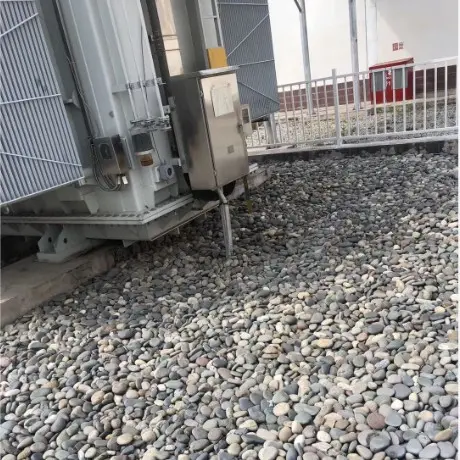
  • Why Do Substations Use Stones, Gravel, Pebbles, and Crushed Rock?
    Why Do Substations Use Stones, Gravel, Pebbles, and Crushed Rock?In substations, equipment such as power and distribution transformers, transmission lines, voltage transformers, current transformers, and disconnect switches all require grounding. Beyond grounding, we will now explore in depth why gravel and crushed stone are commonly used in substations. Though they appear ordinary, these stones play a critical safety and functional role.In substation grounding design—especially when multiple gr
    01/29/2026
  • Why Must a Transformer Core Be Grounded at Only One Point? Isn't Multi-Point Grounding More Reliable?
    Why Does the Transformer Core Need to Be Grounded?During operation, the transformer core, along with the metal structures, parts, and components that fix the core and windings, are all situated in a strong electric field. Under the influence of this electric field, they acquire a relatively high potential with respect to ground. If the core is not grounded, a potential difference will exist between the core and the grounded clamping structures and tank, which may lead to intermittent discharge.I
    01/29/2026
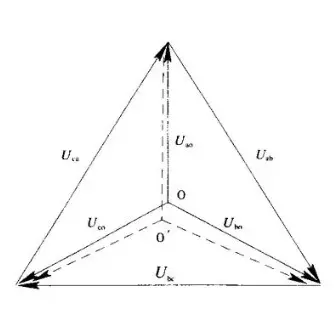
  • Understanding Transformer Neutral Grounding
    I. What is a Neutral Point?In transformers and generators, the neutral point is a specific point in the winding where the absolute voltage between this point and each external terminal is equal. In the diagram below, pointOrepresents the neutral point.II. Why Does the Neutral Point Need Grounding?The electrical connection method between the neutral point and earth in a three-phase AC power system is called theneutral grounding method. This grounding method directly affects:The safety, reliabilit
    01/29/2026
  • What’s the Difference Between Rectifier Transformers and Power Transformers?
    What is a Rectifier Transformer?"Power conversion" is a general term encompassing rectification, inversion, and frequency conversion, with rectification being the most widely used among them. Rectifier equipment converts input AC power into DC output through rectification and filtering. A rectifier transformer serves as the power supply transformer for such rectifier equipment. In industrial applications, most DC power supplies are obtained by combining a rectifier transformer with rectifier equ
    01/29/2026

Related Solutions

  • Dedicated Vacuum Contactor Solution for Port Shore Power Systems
    I. Background and Challenges​Shore power systems have become core technical equipment for ports to reduce carbon emissions and noise pollution. However, these systems face two major challenges in the harsh operational environment of ports:​Severe Environmental Corrosion: High humidity and salt spray in port areas cause serious corrosion to metal components and enclosures of electrical equipment, significantly impacting electrical lifespan and operational reliability.​High Switching Requirements:
    09/13/2025
  • ABB Vacuum Contactor KC2 Power Supply System Technical Transformation Plan
    Issue Overview​The 10kV air compressor starting system of a company utilizes the ABB vacuum contactor KC2 as the control component for the operating circuit. The dedicated wide-voltage power supply module paired with this contactor presents the following issues:​Frequent failures: The power supply module fails to properly transition the voltage from 300V to 12V, resulting in fuse blowouts.​Poor heat dissipation: Enclosed installation of the module leads to insufficient heat dissipation, acceler
    09/13/2025
  • Solution for Medium-Voltage Motor Control and Protection Using Vacuum Contactor-Fuse (VCF) in a Coal Conveying System
    1.Project BackgroundA coal conveying system comprises 15 belt conveyors driven by medium-voltage motors. The system operates under complex conditions, with motors often subjected to heavy loads and frequent starts. To address these challenges and achieve effective control and reliable protection during motor startup, the project comprehensively adopts Vacuum Contactor-Fuse (VCF) combination devices for the 6kV medium-voltage motor power distribution. This solution details the technical features,
    09/13/2025
Haven't found the right supplier yet? Let matching verified suppliers find you. Get Quotation Now
Haven't found the right supplier yet? Let matching verified suppliers find you.
Get Quotation Now
Send inquiry
+86
Click to upload file
Download
Get the IEE Business Application
Use the IEE-Business app to find equipment, obtain solutions, connect with experts, and participate in industry collaboration anytime, anywhere—fully supporting the development of your power projects and business.