625-650 Watt bifacial module with dual glass
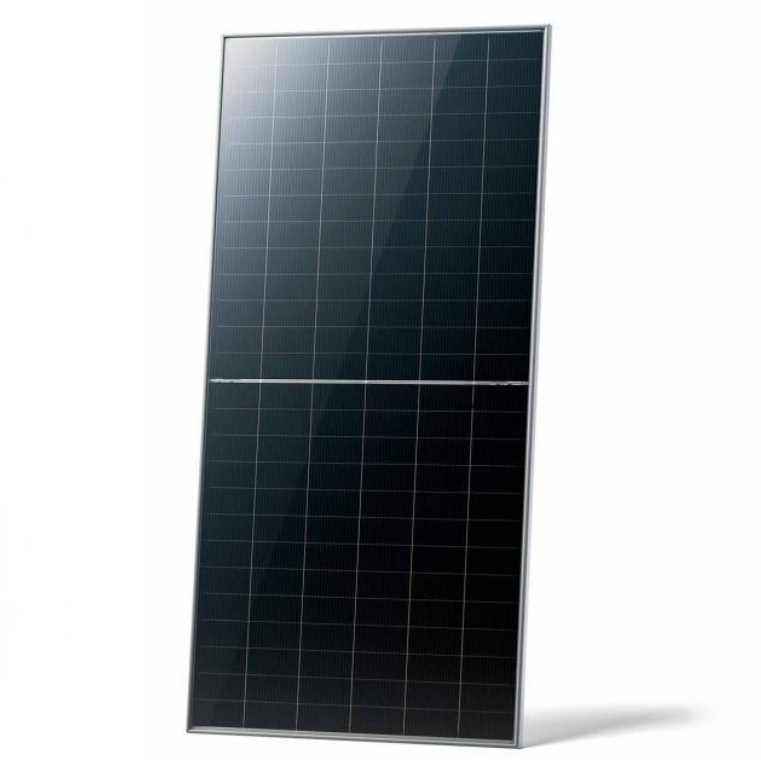
Key attributes
| Brand | Wone |
| Model NO. | 78HL4-BDV 625-650 Watt BIFACIAL MODULE WITH DUAL GLASS |
| Maximum Power | 640Wp |
| Series | 78HL4-BDV |
Product descriptions from the supplier
Certification
IEC61215:2021 / IEC61730:2023 ·
IEC61701 / IEC62716 / IEC60068 / IEC62804 ·
ISO9001:2015: Quality Management System ·
ISO14001:2015: Environment Management System ·
ISO45001:2018: Occupational health and safety management systems.
Features
N-type modules with Tunnel Oxide Passivating Contacts (TOPcon) technology offer lower LID/LeTID degradation and better low light performance.
N-type modules with JinkoSolar's HOT 3.0 technology offer better reliability and efficiency.
Dual-sided power generation gain increases with backside exposure to light, significantly reducing LCOE.
Certified to withstand: 5400 Pa front side max static test load 2400 Pa rear side max static test load.
Better light trapping and current collection to improve module power output and reliability.
Minimizes the chance of degradation caused by PID phenomena through optimization of cell production technology and material control.

Mechanical Characteristics

Packaging Configuration

Specifications (STC)

Specifications (BNPI)

Application Conditions

Engineering Drawings

*Note: For specific dimensions and tolerance ranges, please refer to the corresponding detailed module drawings.
Electrical Performance & Temperature Dependence


What is a solar bifacial module?
Solar bifacial modules are solar panels capable of absorbing light from both sides (that is, the front and the back) and converting it into electrical energy. Compared to traditional monofacial solar modules, bifacial modules have a higher potential for energy output, as they can not only capture the sunlight directly shining on them but also absorb light reflected from the ground as well as scattered light from the surroundings.
Working Principle of Bifacial Modules:
Front Side Absorption: The front side works like traditional solar modules, absorbing direct sunlight through the solar cells and converting it into electrical energy.
Back Side Absorption: The back side is also covered with a layer of solar cells that can absorb sunlight reflected from the ground as well as scattered light from the surroundings.
Light Trapping: The reflectivity of the ground affects the power generation efficiency of the back side of bifacial modules. Ground surfaces that are white or light in color have higher reflectivity, providing more reflected light to the solar cells on the back side.
Environmental Impact: The installation environment can also affect the performance of bifacial modules. For example, different surfaces such as grasslands, snow-covered areas, or rooftops will have varying levels of reflectivity and amounts of scattered light.

Related Products
-
695 W - 730 W High Effficiency Bifacial N-type Heterojunction(HJT) Technology
-
640 W - 670 W Bifacial high-power Dual cell PERC module (mono)
-
690 W - 720 W High-power N-type TOPCON bifacial modules
-
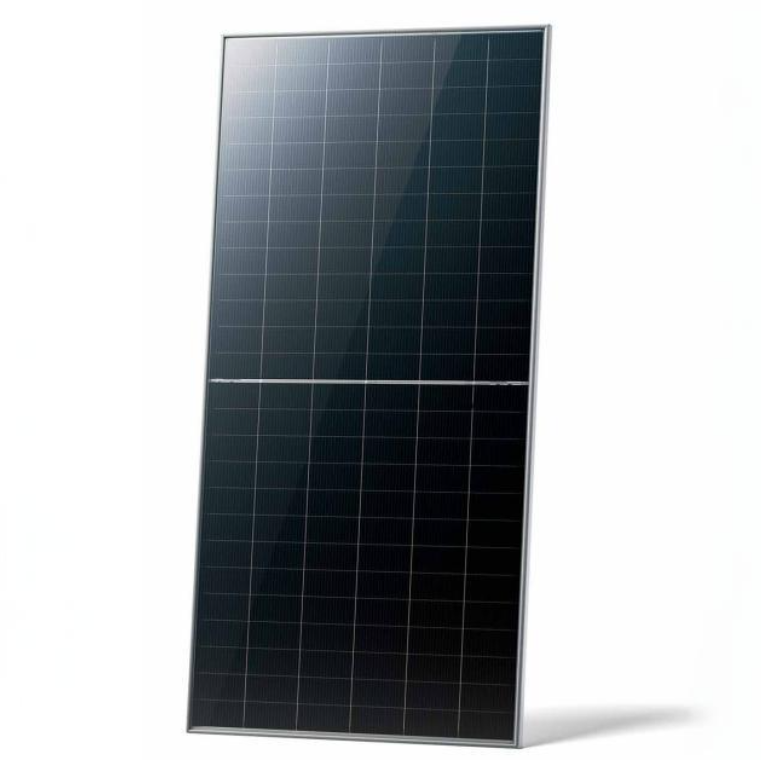
610-635 Watt mono-facial module lower LID/LeTID
-
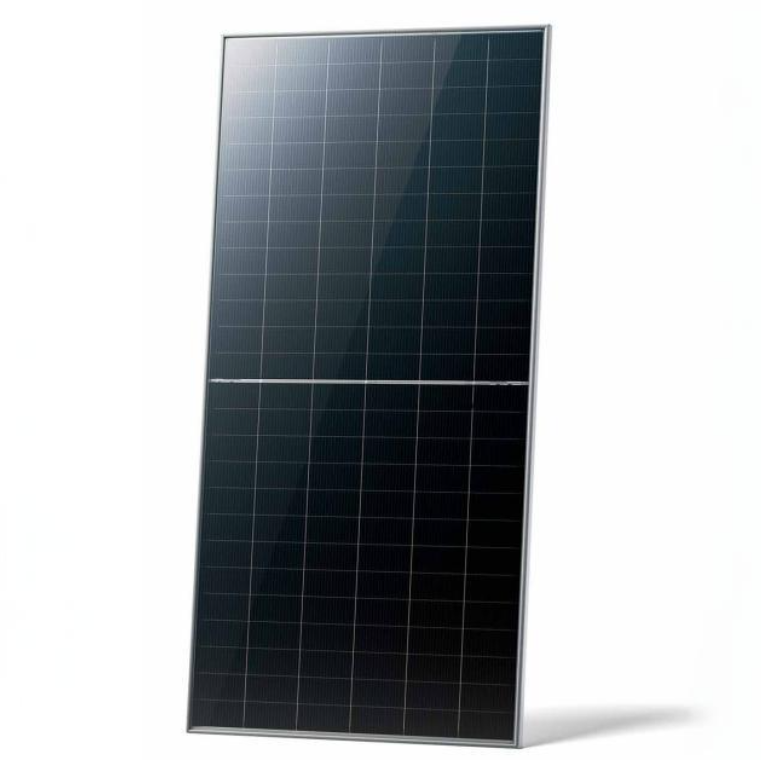
580-605 Watt mono-facial module with Tunnel Oxide Passivating Contacts (TOPcon) technology
Related Knowledges
-
 Main Transformer Accidents and Light Gas Operation Issues1. Accident Record (March 19, 2019)At 16:13 on March 19, 2019, the monitoring background reported a light gas action of No. 3 main transformer. In accordance with the Code for Operation of Power Transformers (DL/T572-2010), operation and maintenance (O&M) personnel inspected the on-site condition of No. 3 main transformer.On-site confirmation: The WBH non-electrical protection panel of No. 3 main transformer reported a Phase B light gas action of the transformer body, and the reset was ineff02/05/2026
 -
 Faults and Handling of Single-phase Grounding in 10kV Distribution LinesCharacteristics and Detection Devices for Single-Phase Ground Faults1. Characteristics of Single-Phase Ground FaultsCentral Alarm Signals:The warning bell rings, and the indicator lamp labeled “Ground Fault on [X] kV Bus Section [Y]” illuminates. In systems with a Petersen coil (arc suppression coil) grounding the neutral point, the “Petersen Coil Operated” indicator also lights up.Insulation Monitoring Voltmeter Indications:The voltage of the faulted phase decreases (in01/30/2026
 -
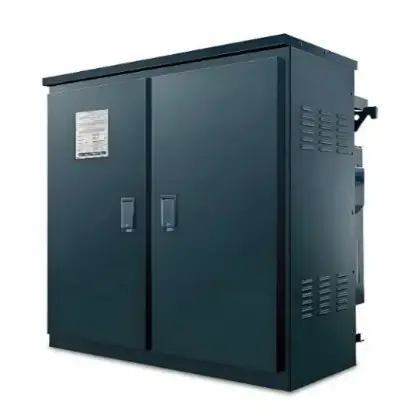 Neutral point grounding operation mode for 110kV~220kV power grid transformersThe arrangement of neutral point grounding operation modes for 110kV~220kV power grid transformers shall meet the insulation withstand requirements of transformer neutral points, and shall also strive to keep the zero-sequence impedance of substations basically unchanged, while ensuring that the zero-sequence comprehensive impedance at any short-circuit point in the system does not exceed three times the positive-sequence comprehensive impedance.For 220kV and 110kV transformers in new constructi01/29/2026
 -
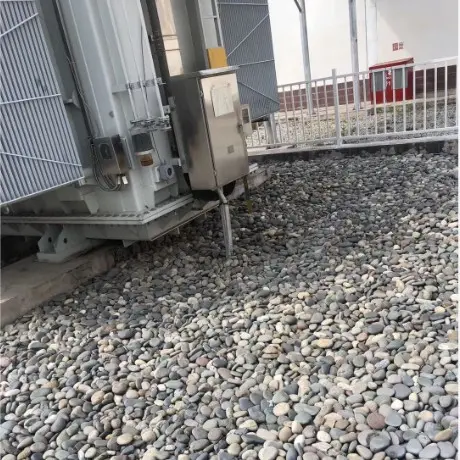 Why Do Substations Use Stones, Gravel, Pebbles, and Crushed Rock?Why Do Substations Use Stones, Gravel, Pebbles, and Crushed Rock?In substations, equipment such as power and distribution transformers, transmission lines, voltage transformers, current transformers, and disconnect switches all require grounding. Beyond grounding, we will now explore in depth why gravel and crushed stone are commonly used in substations. Though they appear ordinary, these stones play a critical safety and functional role.In substation grounding design—especially when multiple gr01/29/2026
 -
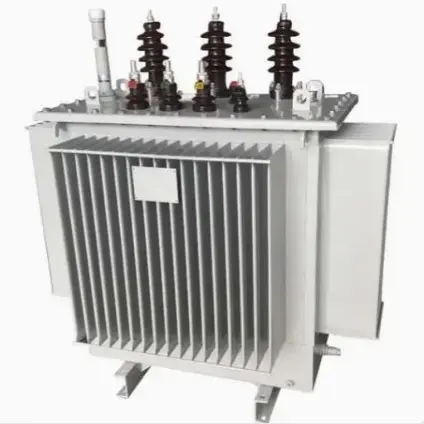 Why Must a Transformer Core Be Grounded at Only One Point? Isn't Multi-Point Grounding More Reliable?Why Does the Transformer Core Need to Be Grounded?During operation, the transformer core, along with the metal structures, parts, and components that fix the core and windings, are all situated in a strong electric field. Under the influence of this electric field, they acquire a relatively high potential with respect to ground. If the core is not grounded, a potential difference will exist between the core and the grounded clamping structures and tank, which may lead to intermittent discharge.I01/29/2026
 -
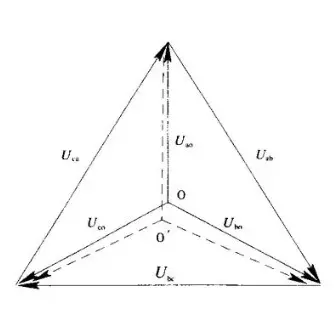 Understanding Transformer Neutral GroundingI. What is a Neutral Point?In transformers and generators, the neutral point is a specific point in the winding where the absolute voltage between this point and each external terminal is equal. In the diagram below, pointOrepresents the neutral point.II. Why Does the Neutral Point Need Grounding?The electrical connection method between the neutral point and earth in a three-phase AC power system is called theneutral grounding method. This grounding method directly affects:The safety, reliabilit01/29/2026






