• Product
  • Suppliers
  • Manufacturers
  • Solutions
  • Free tools
  • Knowledges
  • Experts
  • Communities
Search


PLHLA Series Polymer-Housed Lightning Arresters

  • PLHLA Series Polymer-Housed Lightning Arresters

Key attributes

Brand ROCKWILL
Model NO. PLHLA Series Polymer-Housed Lightning Arresters
Rated voltage DC 1100kV
Series PLHLA Series

Product descriptions from the supplier

Description

Overview

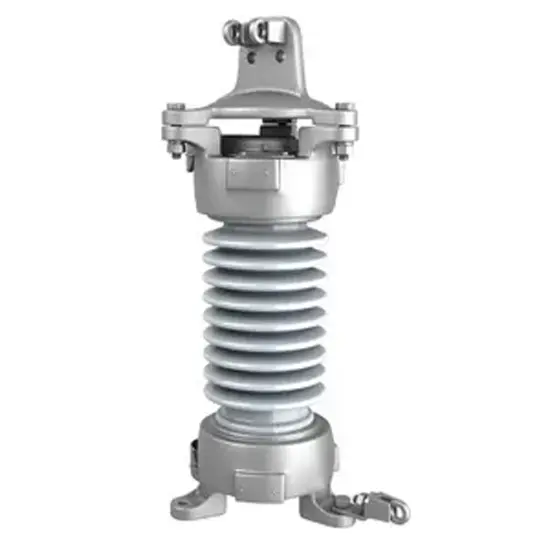
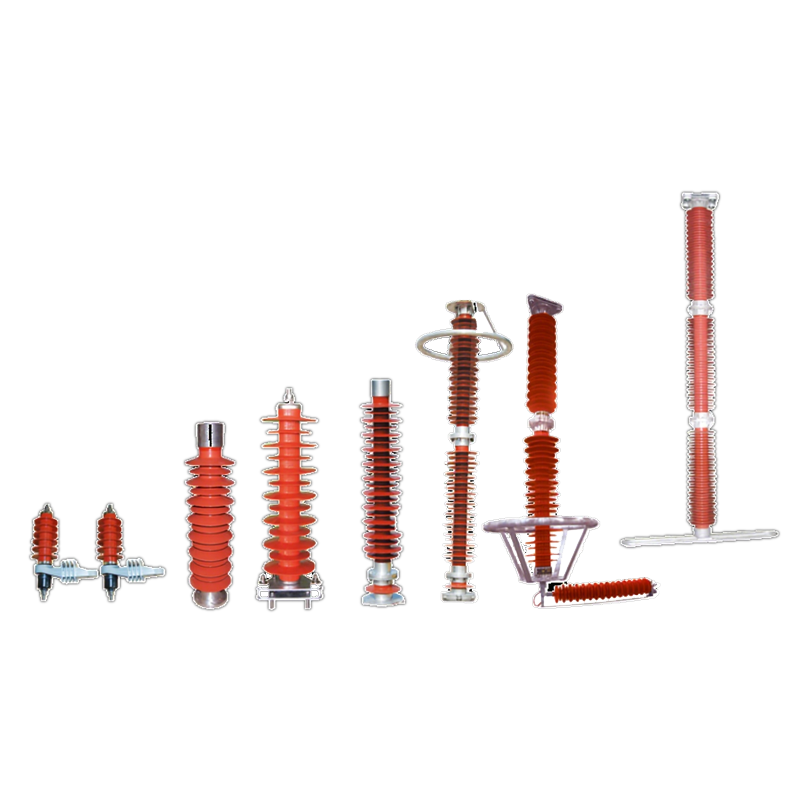
The polymer-housed lightning arresters feature a polymer and composite material housing, with a single-column or multi-column resistor disc column as the core. They cover voltage ratings from 10kV-1000kV AC and ±0.75kV-±1100kV DC.

Features

Excellent Insulation Performance and Aging Resistance

Rigorously selected materials and strict adherence to technical requirements ensure strength, precision, and improved insulation performance and lifespan.

High Dielectric Strength

High-quality insulation materials maintain stable insulation under high voltage conditions.

Strong Contamination Resistance

The surface exhibits hydrophobicity and self-cleaning capabilities, effectively resisting contamination adherence and corrosion, maintaining cleanliness and stable insulation performance.

Lightweight and Compact Structure

Reasonable structural design and lightweight materials result in a lighter weight and smaller volume compared to traditional porcelain-housed lightning arresters.

Technology parameters

AC lightning arresters

Project

Value

rated voltage(AC)

10kV

20kV

35kV

66kV

110kV

220kV

330kV

500kV

750kV

1000kV

4/10µs High Current(kA)

100

8/20µs Repetitive Charge Transfer Qrs (C)

0.4~0.8

2ms Repetitive Charge Transfer Qrs(C)

0.8~6.0

200µs Repetitive Charge Transfer Qrs(C)

0.3~2.4

AC Aging Coefficient at 95% Charge Ratio

<0.9

DC lightning arresters

Project

Value

rated voltage(AC)

750V

1kV

200kV

500kV

800kV

1100kV

4/10µs High Current(kA)

100

8/20µs Repetitive Charge Transfer Qrs (C)

0.4~0.8

2ms Repetitive Charge Transfer Qrs(C)

0.8~6.0

200µs Repetitive Charge Transfer Qrs(C)

0.3~2.4

AC Aging Coefficient at 95% Charge Ratio

<0.9


Know your supplier
Online store
On-time delivery rate
Response time
100.0%
≤4h
Company overview
Workplace: 108000m²m² Total staff: 700+ Highest Annual Export(usD): 150000000
Workplace: 108000m²m²
Total staff: 700+
Highest Annual Export(usD): 150000000
Services
Business Type: Design/Manufacture/Sales
Main Categories: High Voltage Electrical Apparatus/Electric transformer
Whole life care manager
Whole-life care management services for equipment procurement, use, maintenance, and after-sales, ensuring safe operation of electrical equipment, continuous control, and worry-free electricity consumption.
The equipment supplier has passed platform qualification certification and technical evaluation, ensuring compliance, professionalism, and reliability from the source.

Related Products

Related Knowledges

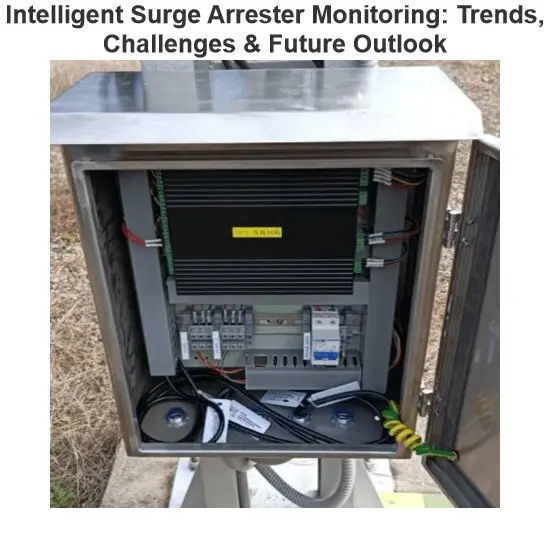
  • Intelligent Surge Arrester Monitoring: Trends, Challenges & Future Outlook
    1. Current Status and Shortcomings of Online MonitorsCurrently, online monitors are the most commonly used tools for surge arrester monitoring. While they can detect potential defects, they have significant limitations: manual on - site data recording is required, precluding real - time monitoring; and post - collection data analysis adds to operational complexity. IoT - based intelligent monitoring overcomes these issues—collected data is uploaded via the IoT to processing platforms,
    07/31/2025
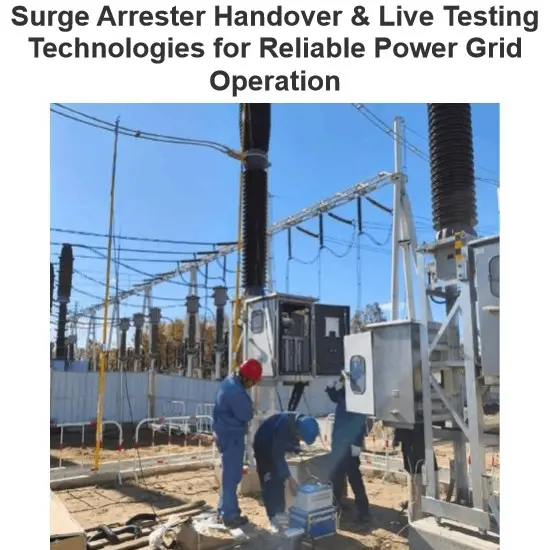
  • Surge Arrester Handover & Live Testing Technologies for Reliable Power Grid Operation
    1. Overview of Surge Arrester Handover Test Technology1.1 Necessity of Handover TestThe handover test is a crucial step in ensuring the performance and safe operation of surge arresters within power systems. For power systems with voltage levels at 220 kV and below, surge arresters play a core role in protecting electrical equipment from damage caused by overvoltages and lightning strikes. However, during the process from the arrester leaving the factory to its actual operation after installatio
    07/31/2025
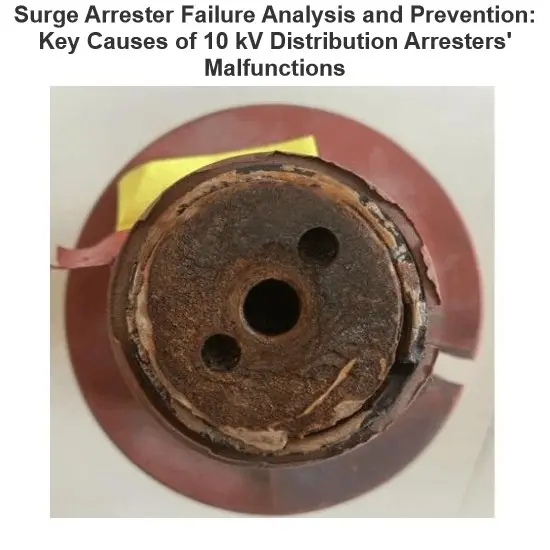
  • Surge Arrester Failure Analysis and Prevention: Key Causes of 10 kV Distribution Arresters' Malfunctions
    1. IntroductionDuring power system operation, main equipment faces threats from internal and atmospheric overvoltages. Surge arresters, especially metal oxide arresters (MOAs) with excellent nonlinear volt - ampere characteristics, are key for protection due to their good performance, large current - carrying capacity, and strong pollution resistance. However, long - term exposure to power frequency voltages, along with component quality, manufacturing processes, and external environments, makes
    07/30/2025
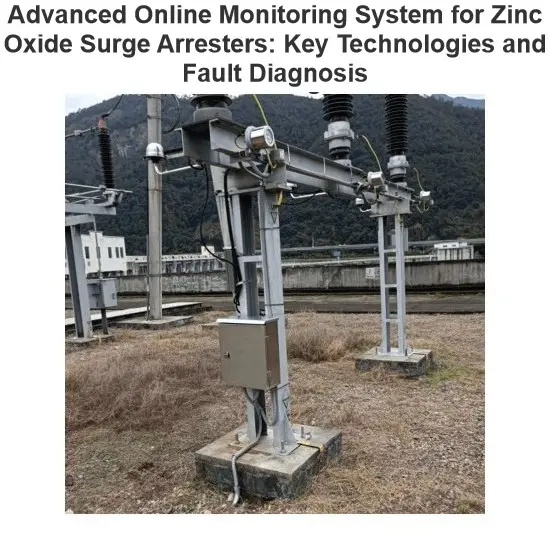
  • Advanced Online Monitoring System for Zinc Oxide Surge Arresters: Key Technologies and Fault Diagnosis
    1 Architecture of the Online Monitoring System for Zinc Oxide Surge ArrestersThe online monitoring system for zinc oxide surge arresters comprises three layers: the station control layer, bay layer, and process layer. Station Control Layer: Includes a monitoring center, a Global Positioning System (GPS) clock, and a B - code clock source. Bay Layer: Consists of online monitoring Intelligent Electronic Devices (IEDs). Process Layer: Features monitoring terminals for Potential Transformers (PTs) a
    07/30/2025
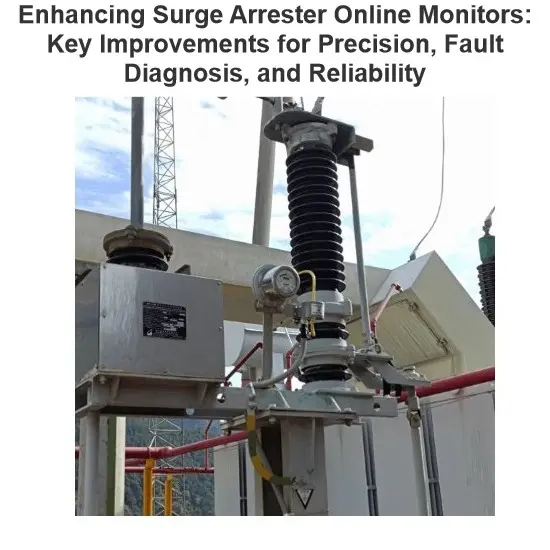
  • Enhancing Surge Arrester Online Monitors: Key Improvements for Precision, Fault Diagnosis, and Reliability
    1 Significance of Surge Arrester Online Monitors1.1 Enhance Power System Safety, Reduce Lightning DamageDuring lightning strikes, surge arresters play a core role in discharging overvoltage. Online monitors ensure arrester stability, detect potential faults in real - time, and trigger alarms for timely intervention—effectively reducing lightning - induced damage to power equipment and systems, and maintaining stable operation.1.2 Real - Time Status Monitoring, Improve Maintenance Effic
    07/30/2025
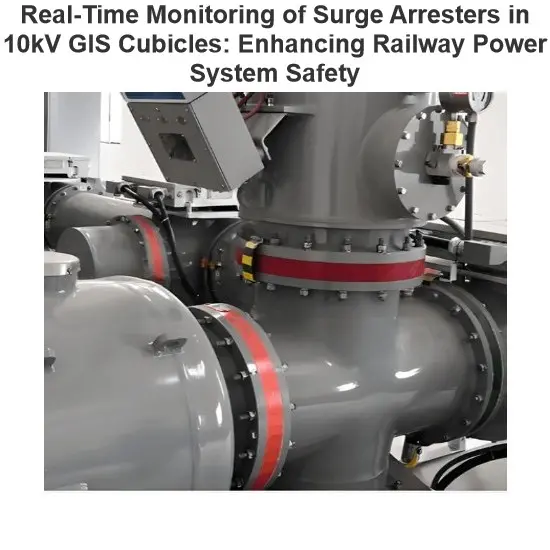
  • Real-Time Monitoring of Surge Arresters in 10kV GIS Cubicles: Enhancing Railway Power System Safety
    1 Research BackgroundMetal - oxide surge arresters, sealed in cabinets, bear system voltage continuously, risking aging failures, even breakdowns/explosions causing electrical fires. Thus, regular inspection/maintenance is needed. Traditional 3–5 - year - cycle detection (power cut, arrester removal for tests; reinstallation if replaced) poses safety risks and faces space/environment - based standard - grasping difficulties.2 Monitoring Principle of 10kV GIS Cabinet Surge ArresterTo en
    07/30/2025

Related Solutions

  • Implementation Scheme for Installing Lightning Arresters or Voltage Transformers in Gas-Insulated Ring Main Units
    According to insulation type, ring main units (RMUs) can be categorized as gas-insulated or air-insulated. The former installs primary circuit components in a sealed metal enclosure filled with low-pressure gas (primarily SF₆ or mixed gases) as the insulating medium, using cable terminals for incoming and outgoing lines. Due to superior insulation, compact size, and modular design, they are widely used in 10kV outdoor distribution substations and prefabricated transformer stations. However, thei
    08/16/2025
Haven't found the right supplier yet? Let matching verified suppliers find you. Get Quotation Now
Haven't found the right supplier yet? Let matching verified suppliers find you.
Get Quotation Now
Send inquiry
+86
Click to upload file
Download
Get the IEE Business Application
Use the IEE-Business app to find equipment, obtain solutions, connect with experts, and participate in industry collaboration anytime, anywhere—fully supporting the development of your power projects and business.