• Product
  • Suppliers
  • Manufacturers
  • Solutions
  • Free tools
  • Knowledges
  • Experts
  • Communities
Search


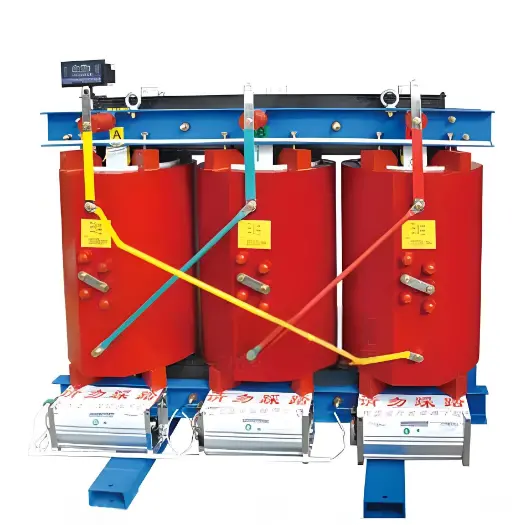
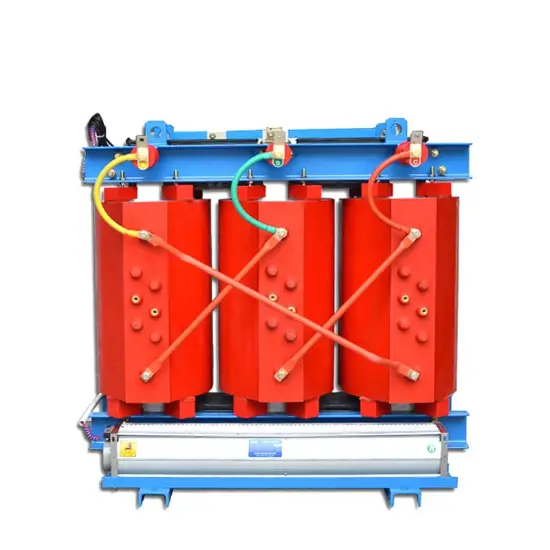
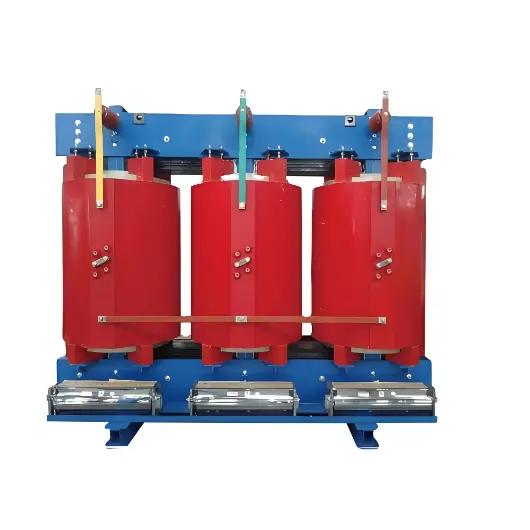
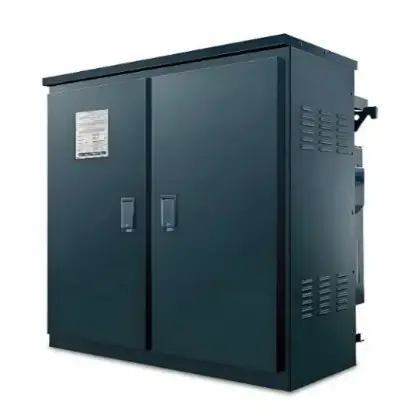
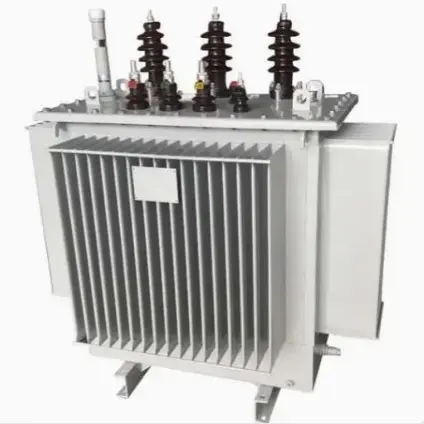
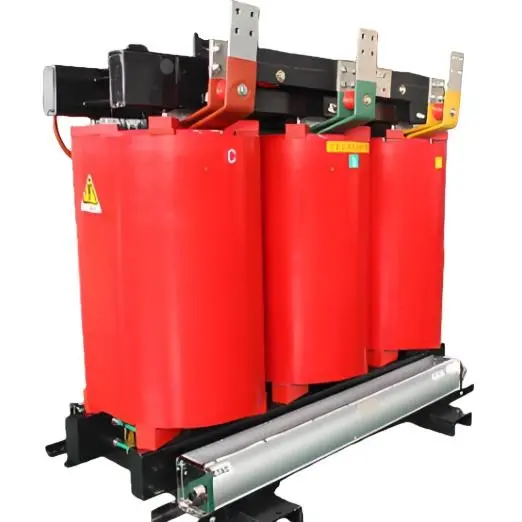
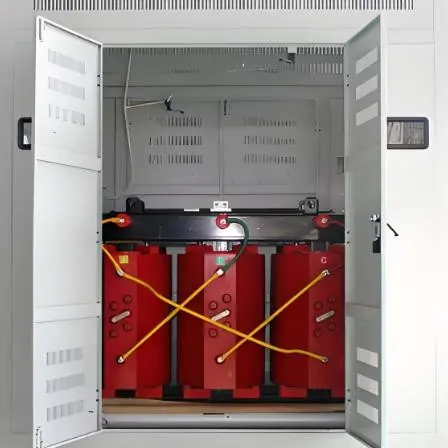
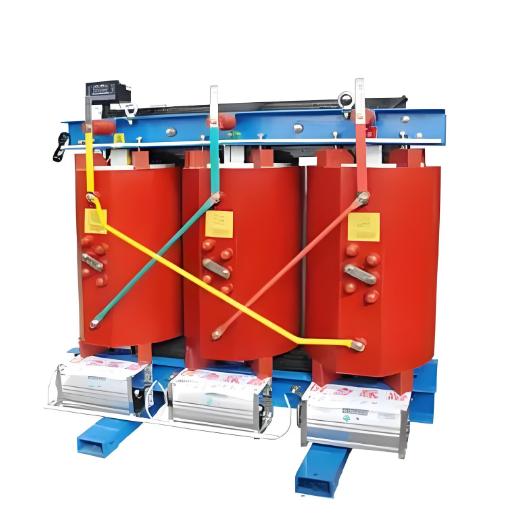
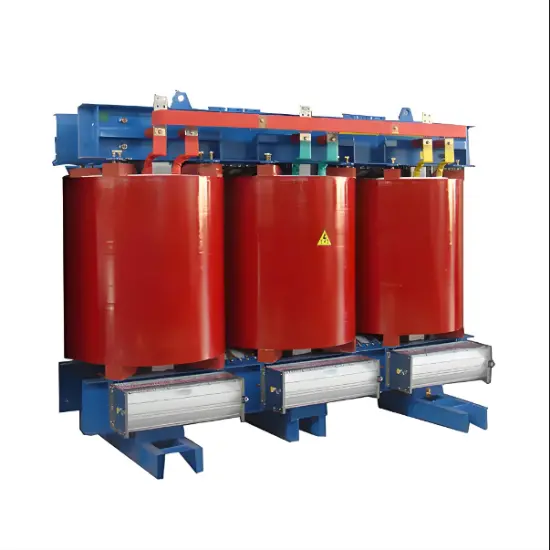
Resin-insulated Dry Type Transformer 800kVA 1000kVA 1250kVA 1600kVA 2000kVA 2500kVA

  • Resin-insulated Dry Type Transformer 800kVA 1000kVA 1250kVA 1600kVA 2000kVA 2500kVA
  • Resin-insulated Dry Type Transformer 800kVA 1000kVA 1250kVA 1600kVA 2000kVA 2500kVA

Key attributes

Brand Vziman
Model NO. Resin-insulated Dry Type Transformer 800KVA 1000KVA 1250KVA 1600KVA 2000KVA 2500KVA
Rated capacity 2500kVA
Voltage grade 10KV
Series SC(B)

Product descriptions from the supplier

Description

Description:

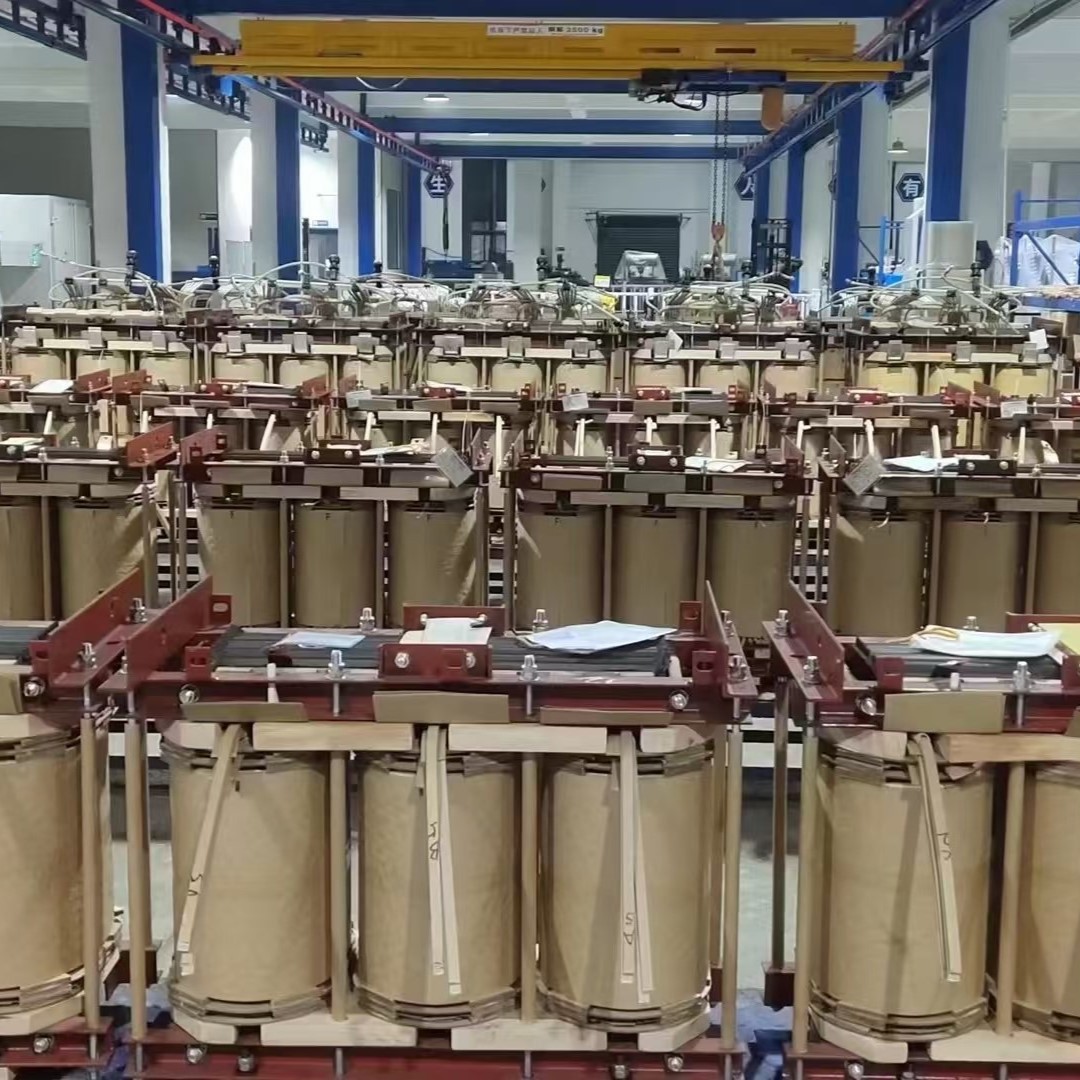
Foil Coil: Adopting the entire section of copper foil, together with the F-class turn insulation, low voltage winding is wound by the special low-voltage foil winding machine. The foil coil resolves problems such as large short-circuit stress, ampere turn unbalance, poor heat dissipation, existing the winding spiral angle and unsteady manual welding quality due to low voltage and large current coil. At the same time, the end of winding is treated with cast resin, solidification to make shape, moisture-proof and anti-fouling, the lead for copper bar is welded by argon arc welding automatically.Temperature Control Device: the transformer adopts BWDK series of signal thermometer. The temperature components are embedded in the upper half of the low-voltage coil, can detect and display the temperature of separate phase coil automatically and continuously, also have the functions of over-temperature alarm and trip.

Feature:

  • Flame retardant, non-pollution, it can be installed directly in the load center.

  • Maintenance-free, easy to be installed, low operating costs.

  • The enclosure can be of Good moisture resistance, transformer can be put into operation without pre-drying under 100% humidity in the normal operation.

  • Low loss, light weight and small volume, low noise, good dissipation of heat, it can be 150% rated load operation under forced air cooling conditions.

  • Equipped with a complete temperature protection control system to provide reliable protection for the safe operation of transformers.

  • High reliability. The results of checking for the products that has been put into operation show that the reliability index has reached the international advanced level.


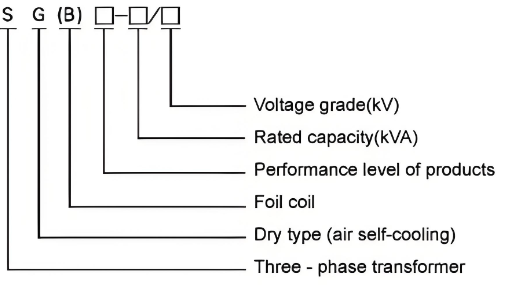
Model and Meaning:
企业微信截图_17230768291792.png

Parameter:

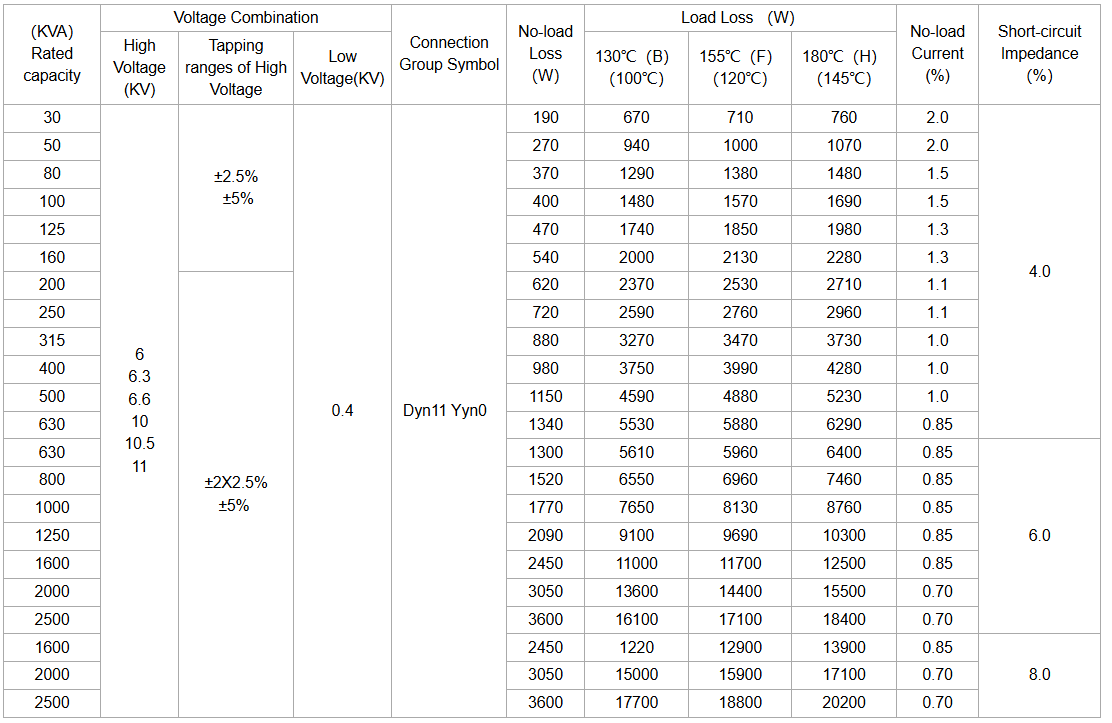
6kV, 10kV& 30kVA-2500kVA 

image.png

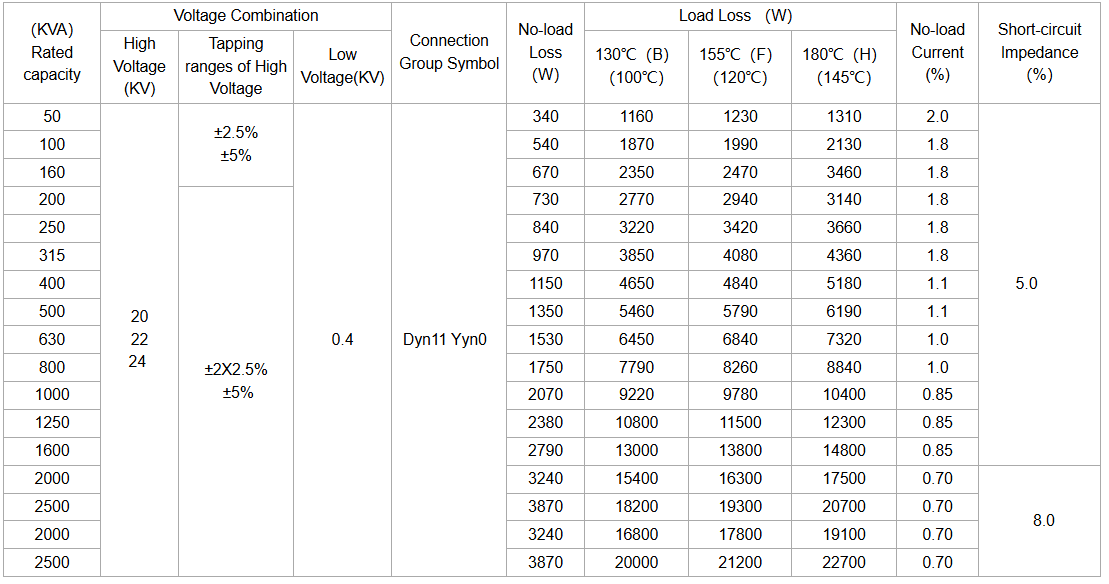
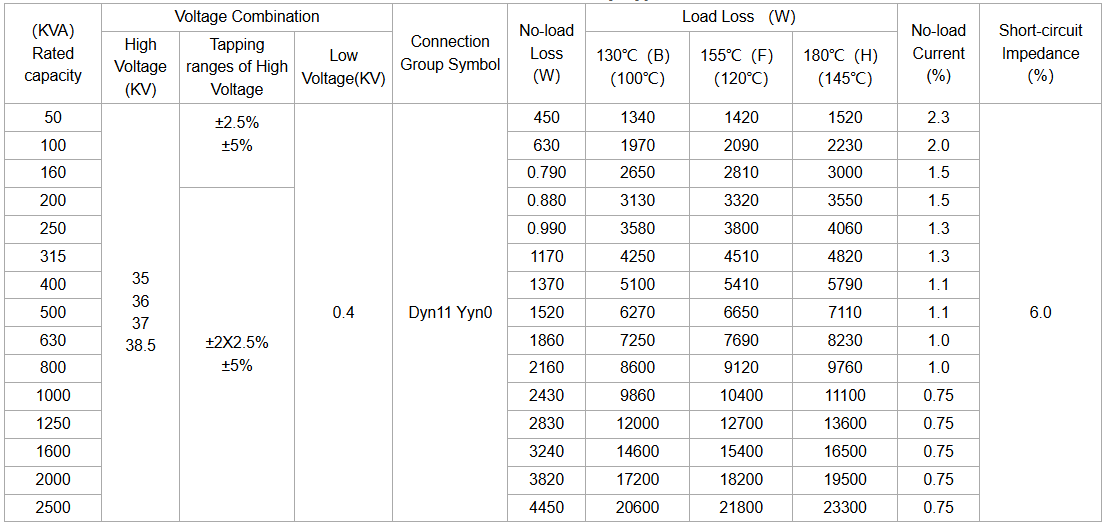
The load losses listed in the table are the values of the reference temperature for different insulation systems in parentheses; The load losses under other insulation system temperatures that are not included in the table should be according to their respective reference temperatures, the corresponding calculation is based on the"- 155 ℃ (F)" insulation system temperature data.

Notes: The Dimension and weight will be changed according to the requirements. 

 20kV & 50kVA-2500kVA 
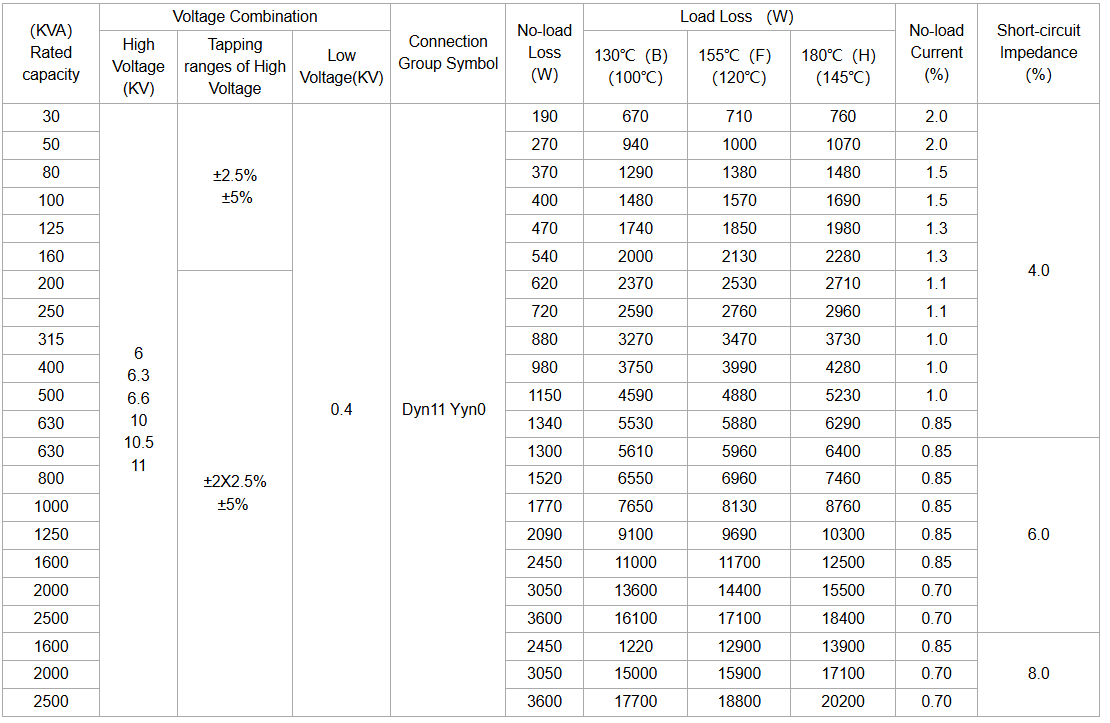
image.png

20kV & 50kVA-2500kVA

image.png

35kV & 50kVA-2500kVA

image.png

How resin-insulated dry-type transformers are cooled?

Natural Air Cooling (AN):

Natural air cooling is the most common cooling method, applicable to resin-insulated dry-type transformers with relatively low power. This method utilizes the natural convective air flow to dissipate heat.

Working Principle:

  • Air Convection: During the operation of the transformer, heat will be generated, which will cause the temperature of the surrounding air to rise. The hot air will ascend, and the cold air will flow in to replace it, thus forming natural convection.

  • Heat Sinks: To enhance the heat dissipation effect, the outer surface of the transformer is usually designed with heat sinks or cooling fins to increase the surface area and improve the heat dissipation efficiency.

  • Ventilation Holes: The casing of the transformer is designed with ventilation holes to ensure air circulation and further improve the heat dissipation effect.

Forced Air Cooling (AF):

Forced air cooling is applicable to resin-insulated dry-type transformers with relatively high power. It improves the heat dissipation efficiency by forcing air to flow with the help of fans.

Working Principle:

  • Fans: Fans are installed near the transformer. The fans blow the external cold air into the interior of the transformer to carry away the heat.

  • Air Duct Design: Air ducts are designed inside the transformer to ensure that the air can flow evenly through each heat-generating part, thus enhancing the heat dissipation effect.

  • Temperature Monitoring: Usually equipped with temperature sensors, it monitors the temperature of the transformer in real time. According to the temperature changes, it automatically controls the start and stop of the fans to achieve intelligent cooling.

Documentation Resource Library
Restricted
Vziman IEC/ ANSI Dry-Type Power transformer selection catalog
Catalogue
English
Consulting
Consulting
Know your supplier
Online store
On-time delivery rate
Response time
100.0%
≤4h
Company overview
Workplace: 10000m² Total staff: 300 Highest Annual Export(usD): 150000000
Workplace: 10000m²
Total staff: 300
Highest Annual Export(usD): 150000000
Services
Business Type: Design/Manufacture/Sales
Main Categories: High Voltage Electrical Apparatus/Electric transformer
Whole life care manager
Whole-life care management services for equipment procurement, use, maintenance, and after-sales, ensuring safe operation of electrical equipment, continuous control, and worry-free electricity consumption.
The equipment supplier has passed platform qualification certification and technical evaluation, ensuring compliance, professionalism, and reliability from the source.

Related Products

Related Knowledges

  • Faults and Handling of Single-phase Grounding in 10kV Distribution Lines
    Characteristics and Detection Devices for Single-Phase Ground Faults1. Characteristics of Single-Phase Ground FaultsCentral Alarm Signals:The warning bell rings, and the indicator lamp labeled “Ground Fault on [X] kV Bus Section [Y]” illuminates. In systems with a Petersen coil (arc suppression coil) grounding the neutral point, the “Petersen Coil Operated” indicator also lights up.Insulation Monitoring Voltmeter Indications:The voltage of the faulted phase decreases (in
    01/30/2026
  • Neutral point grounding operation mode for 110kV~220kV power grid transformers
    The arrangement of neutral point grounding operation modes for 110kV~220kV power grid transformers shall meet the insulation withstand requirements of transformer neutral points, and shall also strive to keep the zero-sequence impedance of substations basically unchanged, while ensuring that the zero-sequence comprehensive impedance at any short-circuit point in the system does not exceed three times the positive-sequence comprehensive impedance.For 220kV and 110kV transformers in new constructi
    01/29/2026
  • Why Do Substations Use Stones, Gravel, Pebbles, and Crushed Rock?
    Why Do Substations Use Stones, Gravel, Pebbles, and Crushed Rock?In substations, equipment such as power and distribution transformers, transmission lines, voltage transformers, current transformers, and disconnect switches all require grounding. Beyond grounding, we will now explore in depth why gravel and crushed stone are commonly used in substations. Though they appear ordinary, these stones play a critical safety and functional role.In substation grounding design—especially when multiple gr
    01/29/2026
  • Why Must a Transformer Core Be Grounded at Only One Point? Isn't Multi-Point Grounding More Reliable?
    Why Does the Transformer Core Need to Be Grounded?During operation, the transformer core, along with the metal structures, parts, and components that fix the core and windings, are all situated in a strong electric field. Under the influence of this electric field, they acquire a relatively high potential with respect to ground. If the core is not grounded, a potential difference will exist between the core and the grounded clamping structures and tank, which may lead to intermittent discharge.I
    01/29/2026
  • Understanding Transformer Neutral Grounding
    I. What is a Neutral Point?In transformers and generators, the neutral point is a specific point in the winding where the absolute voltage between this point and each external terminal is equal. In the diagram below, pointOrepresents the neutral point.II. Why Does the Neutral Point Need Grounding?The electrical connection method between the neutral point and earth in a three-phase AC power system is called theneutral grounding method. This grounding method directly affects:The safety, reliabilit
    01/29/2026
  • What’s the Difference Between Rectifier Transformers and Power Transformers?
    What is a Rectifier Transformer?"Power conversion" is a general term encompassing rectification, inversion, and frequency conversion, with rectification being the most widely used among them. Rectifier equipment converts input AC power into DC output through rectification and filtering. A rectifier transformer serves as the power supply transformer for such rectifier equipment. In industrial applications, most DC power supplies are obtained by combining a rectifier transformer with rectifier equ
    01/29/2026

Related Solutions

  • Choosing Vizman Distribution Transformers: Innovative Customization to Meet Diverse Power Needs
    Distribution transformers are the heart of local electricity distribution systems. They step down voltage, enabling safe and efficient power supply to homes and businesses.At Vizman Electric Power Technology Co., Ltd., we understand the critical role of distribution transformers in the energy ecosystem. That's why we specialize in manufacturing high-quality distribution transformers, providing tailored solutions to meet diverse energy needs.1.Solutions Offered by Vizman Electric Power Technology
    04/16/2025
  • SF6 Circuit Breaker Solutions in High-Voltage Power Systems: A Case Study of VZIMAN Company
    1. Challenges in High-Voltage Power Systems1.1 High-voltage power systems, as the core of power transmission, face critical challenges: Equipment Performance Limits: With increasing voltage levels (e.g., 500kV and above), traditional circuit breakers struggle to meet high breaking capacities (over 40kA) and rapid insulation recovery requirements. Overvoltage Risks: Switching capacitive loads (e.g., capacitor banks) may cause reignition, leading to dangerous overvoltages. Poor Environmental Adapt
    05/13/2025
  • VZIMAN Company SF6 Circuit Breaker Solutions for Renewable Energy Grid Integration
    1. Current Challenges in Renewable Energy Grid Integration1.1 Grid Frequency Fluctuations and Stability IssuesThe intermittency and variability of renewable energy sources (e.g., wind and solar) lead to frequent grid frequency changes. Traditional circuit breakers struggle to respond rapidly to such dynamic loads, potentially causing equipment damage or regional blackouts. For instance, during sudden drops in wind power or abrupt solar output fluctuations, the grid must isolate faults within mil
    05/13/2025
Related Free tools
Haven't found the right supplier yet? Let matching verified suppliers find you. Get Quotation Now
Haven't found the right supplier yet? Let matching verified suppliers find you.
Get Quotation Now
Send inquiry
+86
Click to upload file
Download
Get the IEE Business Application
Use the IEE-Business app to find equipment, obtain solutions, connect with experts, and participate in industry collaboration anytime, anywhere—fully supporting the development of your power projects and business.