I. Disposal Objectives
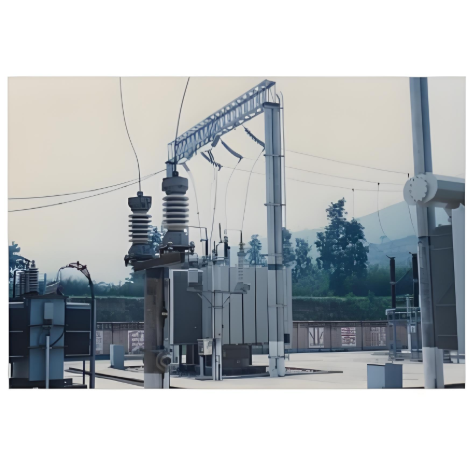
Upon detecting a lightning arrester fault, conduct rapid, safe, and effective on-site disposal to isolate the faulty equipment. Minimize threats to power grid operation, equipment safety, buildings, and personnel. Create conditions for subsequent detailed maintenance or replacement.
II. Handling Principles
Safety First: Always prioritize personal safety; strictly adhere to electrical safety regulations.
Rapid Response: Initiate the disposal procedure immediately upon detecting fault indications or confirming a fault.
Accurate Diagnosis: Quickly identify the fault type to provide the basis for targeted disposal.
Effective Isolation: Ensure the faulty arrester is reliably disconnected from the operating system.
Prevent Secondary Disasters: Take measures during disposal to avoid risks such as electric shock, fire, and escalation of equipment damage.
III. Fault Rapid Diagnosis Process (Preliminary On-Site)
Safety Perimeter: Establish safety barriers or warning signs to restrict access by unauthorized personnel. Observe the site for obvious abnormalities (e.g., unusual sounds, odors, arcing, insulation gas leakage, contaminant splatter).
Visual Inspection: (From a safe distance or after confirming equipment isolation)
Structure: Check the housing/sheds for cracks, breakage, scorch marks, heavy contamination, or icing.
Mechanical Components: Check mounting bolts, brackets for looseness, detachment, or corrosion; check grading rings for deformation, displacement, or damage.
Leads/Connections: Check leads (primary connections) for broken strands, burn marks, excessive slack or tension; check connection terminals, clamps for overheating (discoloration), melting, looseness, or corrosion.
Pressure Relief/Action Indicator: Check if the arrester body or base pressure relief device has operated (e.g., vent opened); observe counter or action indicator status (e.g., if the indicator flag has popped up).
Discharge Marks: Check the ground below the arrester or surrounding equipment for metallic dust or foreign objects caused by discharge.
Condition Inference: (Correlate with patrol records, online monitoring data like leakage current, operation counts, etc., if available) to assist in judging aging or performance degradation.
IV. Fault-Specific Disposal Measures (Core of On-Site Rapid Disposal)
Fault Type |
Specific Manifestations |
On-Site Rapid Disposal Measures |
Notes/Precautions |
Mechanical Failure |
* Loose/detached fasteners |
1. After De-energization! If loose, re-tighten with a torque wrench to specification. |
* Minor surface scratches can be monitored; do not affect immediate operation safety. |
Deterioration/Damage Failure |
* Heavily contaminated/iced housing (risk of flashover) |
1. For severe contamination/icing: If safely possible, attempt de-energized cleaning; otherwise, request an outage. |
* Such faults usually indicate internal component damage; cannot be repaired on-site. |
Lead/Connection Fault |
* Lead strands broken/burned through |
1. Isolate Power! |
* This fault easily causes short-circuit trips or even fire; requires fastest isolation. |
V. Emergency Response (Throughout the Process)
Mandatory De-energization: Before any work, confirm the circuit powering the arrester is reliably disconnected (open relevant disconnectors/switches), verify de-energization (test for voltage), and install temporary grounding leads (or close grounding switches)! Strictly implement the switching operation ticket system.
Personal Protection:
Wear full set of qualified insulating PPE (insulating gloves, boots, safety glasses, insulating clothing if necessary).
Use qualified insulated tools (voltage detector, grounding stick, hot stick, etc.).
Maintain safe working distance from live parts and grounded objects (based on voltage level).
Fire Preparedness: Have appropriate fire extinguishers (e.g., dry powder, CO2) available onsite.
Gas Leakage: For GIS or tank-type arresters, if internal fault suspected causing gas leakage: Immediately evacuate personnel to a safe area and notify specialized personnel. Avoid staying below the leak point.
Information Reporting: Immediately report the fault situation, disposal progress, and required support to the superior dispatcher/management department.
VI. Post-Disposal Check & Restoration
Work Completion Confirmation: Clear the work site, remove all temporary safety measures (except isolation devices), account for personnel and tools.
Functional Test: (If restored after lead repair/simple tightening)
Use a qualified insulation resistance tester (megohmmeter) to measure arrester insulation resistance (terminal-to-terminal, terminal-to-ground); check if acceptable.
Check lead connection security and contact integrity.
Confirm grading rings/components are unimpeded.
Energization Trial: (Upon confirmation)
Remove safety isolation measures (e.g., remove grounding leads).
Report to dispatcher and restore power as per instructions.
Closely monitor arrester status post-energization (e.g., temperature rise, sound, online leakage current data).
VII. Key Precautions
No Live Work: All work involving the arrester body must only occur after confirming de-energization and implementing safety measures.
Determine Fault Nature: Clearly determine before, during, and after disposal whether it's an arrester internal fault or damage caused by external factors (e.g., bird streamers, tree contact, foreign object short circuits).
Thorough Documentation: Detail fault phenomena, preliminary judgment, disposal actions, replaced parts, test data, restoration time, personnel involved, etc., to support later analysis (include photos/video).
Replacement Criteria: Arresters with internal damage (pressure relief operation, severe aging, flashover), severe mechanical damage, or valve block failure (e.g., abnormal frequent counter operation + abnormal leakage current) must be replaced entirely as internal repairs are impossible on-site.
Qualified Personnel Only: Disposal work must be performed by qualified, experienced personnel familiar with the equipment.