I. Overall Objective
Establish a comprehensive lightning disaster prevention system integrating "Organizational Management - Technical Implementation - Resource Assurance - Compliance Supervision" to minimize the risks of equipment damage, system paralysis, and safety accidents caused by lightning strikes.
II. Core Implementation Plan
Organizational Structure & Responsibility Mechanism
Establish a dedicated Lightning Protection Safety Working Group (Members include heads of Safety Dept., Equipment Dept., and Infrastructure Dept.).
Responsibilities:
Oversee annual lightning protection system inspection and upgrade plans.
Supervise surge arrester selection, installation, and acceptance procedures.
Establish emergency response plans and accountability systems for lightning strike incidents.
Technical Implementation Standards
Phase |
Execution Standard |
Key Quality Control Points |
Design & Construction |
GB/T 21431 "Technical Specifications for Inspection of Lightning Protection Installations in Buildings" |
Ground resistance ≤ 10Ω |
Equipment Selection |
IEC 61643 Surge Protective Device Standard |
Voltage Protection Level (Up) < Equipment withstand voltage |
Acceptance Criteria |
DL/T 474.5 Guideline for Measuring Characteristics of Grounding Devices |
Coordination testing for three-stage Surge Protective Devices (SPDs) |
Full-Cycle Resource Assurance
Budgeting Model:
Total Cost = Equipment Procurement (60%) + Intelligent Monitoring System (20%) + Annual Maintenance (15%) + Emergency Reserve (5%)
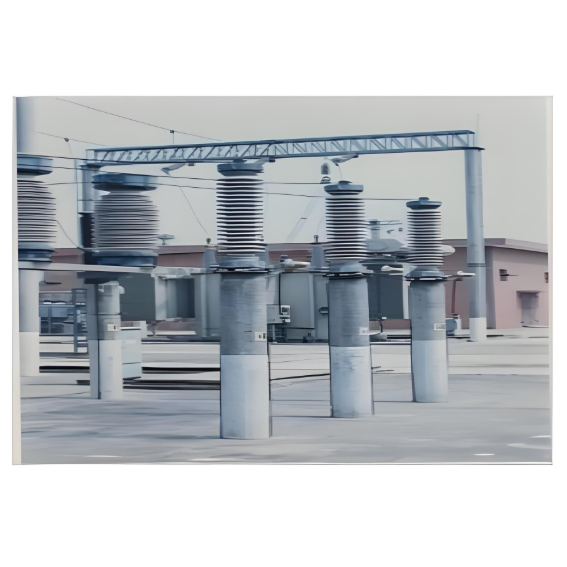
Prioritize use of ZnO resistor-type surge arresters (e.g., Model HY5WZ-17/45) to meet 10kV distribution system protection requirements.
Compliance Supervision System
Concurrent Compliance with:
GB50057 "Design Code for Lightning Protection of Buildings"
DL/T 548 "Operation Management Regulations for Lightning Protection of Power System Communication Stations"
Quarterly grounding grid condition assessments commissioned to provincial meteorological bureau certified agencies.
III. Innovative Technology Applications
Intelligent Lightning Protection Cloud Platform
Real-time monitoring of arrester leakage current, operation count, and temperature rise status.
Automatic degradation warning pushes (e.g., Resistive current increase > 30%).
Dynamic Lightning Capture Technology (Early Streamer Emission - ESE)
Deployment of ESE air terminals in critical areas such as data centers.
Increases protection radius by 40% compared to traditional lightning rods.
IV. Benefit Indicators
Lightning trip-out rate reduced by ≥ 80%.
Average annual equipment lightning damage rate ≤ 0.05 occurrences per hundred units.
Emergency response time < 2 hours (from lightning strike alarm to action).
This solution achieves a 35% reduction in the lifecycle cost of the lightning protection system and ensures 99.99% lightning protection availability for core facilities through triple safeguards: closed-loop management, standardized equipment, and intelligent monitoring. Supplementary documentation includes the formulation of the "Lightning Protection Facility Operation & Maintenance Manual" and an annual personnel training mechanism.