How an AC High Voltage Tester Works and Where It Is Used
1. Working Principle
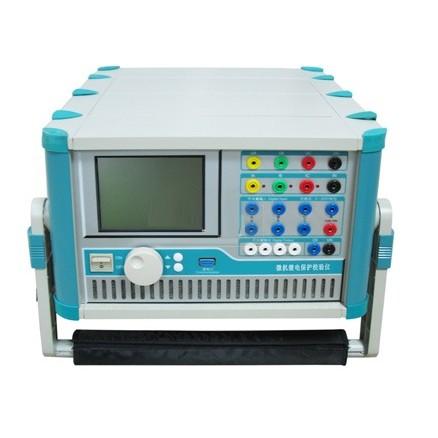
An AC high voltage tester (AC High Voltage Tester) is an instrument used to evaluate the insulation performance of electrical equipment by applying a higher-than-normal operating voltage. It tests whether the insulation material can withstand this high voltage without breaking down or allowing excessive leakage current. Below is a detailed explanation of how an AC high voltage tester works:
1.1 Basic Concepts
Insulation Withstand Testing: The primary purpose of an AC high voltage tester is to test the insulation system of electrical equipment to ensure it can maintain its integrity under high voltage conditions. The dielectric strength of insulation materials is a critical measure of their quality, especially in high-voltage power systems.
Breakdown Voltage: When the applied voltage exceeds the insulation material's tolerance limit, the material will break down, causing current to flow through the insulation. The breakdown voltage is the minimum voltage at which the insulation starts to conduct electricity.
Leakage Current: Even if the insulation does not fully break down, there may be small amounts of leakage current. Excessive leakage current can indicate that the insulation is damaged or aged.
1.2 Testing Process
Connect the Test Object: Connect the conductive parts of the device being tested (such as cables, transformers, motors, etc.) to the high-voltage output terminal of the tester, and connect the grounding part of the device to the tester's ground terminal.
Set Test Parameters: Based on the specifications and standards for the device, set the test voltage, test duration, and other relevant parameters. Common test voltage ranges can be from several kilovolts to tens of kilovolts, depending on the device's rated voltage and application.
Apply Voltage: The tester gradually increases the voltage until it reaches the set test voltage. During this process, the tester monitors the leakage current and insulation resistance.
Detect Breakdown or Leakage: If the insulation material breaks down or the leakage current exceeds the safety threshold, the tester automatically cuts off the power and triggers an alarm. If no breakdown or excessive leakage occurs, the tester continues to apply the voltage until the test is complete.
Result Analysis: After the test, the tester displays the results, including the maximum leakage current, insulation resistance, and other parameters. These data help determine whether the device's insulation performance is acceptable.
1.3 Protection Mechanisms
Overcurrent Protection: If excessive leakage current occurs during testing, the tester immediately cuts off the power to prevent damage to the device or injury to personnel.
Overvoltage Protection: The tester typically has overvoltage protection to ensure that the applied voltage does not exceed the safe range.
Automatic Discharge: After the test, the tester automatically discharges any residual voltage from the tested device to ensure safety and prevent electric shock to operators.
2. Application Areas
AC high voltage testers are widely used in various fields to test the insulation performance of electrical equipment, particularly in the following areas:
2.1 Power Systems
Cable Testing: Before installation or during maintenance, high-voltage cables need to undergo insulation withstand testing to ensure they can operate safely under high voltage. An AC high voltage tester can detect whether the cable's insulation is intact and identify potential fault points.
Transformer Testing: Transformers are critical components in power systems, and their insulation performance is crucial. An AC high voltage tester can be used to test the insulation of transformer windings, oil-paper insulation, and other parts to ensure they can function properly under high voltage.
Switchgear Testing: High-voltage switchgear (such as circuit breakers, isolators, etc.) needs regular insulation withstand testing to ensure reliable operation under high voltage, preventing short circuits or failures.
2.2 Industrial Equipment
Motor Testing: The winding insulation of motors is essential for their proper operation. An AC high voltage tester can be used to inspect the motor's insulation, ensuring it can operate safely under high voltage and extending the equipment's lifespan.
Generator Testing: The insulation system of generators needs periodic withstand testing to ensure stable power generation under high voltage, avoiding downtime or accidents due to insulation failure.
Distribution Equipment Testing: The insulation performance of distribution panels, cabinets, and other equipment should be regularly tested to ensure safe operation under high voltage, preventing electrical faults.
2.3 Laboratories and R&D
New Material Testing: When developing new insulation materials, an AC high voltage tester can be used to evaluate the material's dielectric strength, helping researchers optimize the material's formula and manufacturing process.
Product Certification: Many electrical devices must pass strict insulation withstand tests before entering the market to obtain certifications (such as CE, UL, etc.). An AC high voltage tester is a crucial tool for these tests, ensuring products meet safety standards.
2.4 Construction and Infrastructure
Building Electrical System Testing: After installing a building's electrical system, insulation withstand testing is necessary to ensure that wires, outlets, switches, and other components meet safety requirements, preventing electrical fires or other accidents.
Power Line Testing: During the construction and maintenance of power lines, an AC high voltage tester can be used to test the insulation performance of the lines, ensuring safe transmission of electricity under high voltage.
3. Precautions for Use
When using an AC high voltage tester, it is essential to strictly follow safety operating procedures to ensure the safety of personnel and equipment. Here are some important precautions:
Wear Personal Protective Equipment (PPE): Operators should wear insulated gloves, insulated shoes, and other protective gear to avoid direct contact with live parts.
Ensure Proper Grounding: Both the tester and the tested equipment should be reliably grounded to prevent static buildup or leakage currents.
Avoid Humid Environments: Testing in humid environments can increase the risk of breakdown, so it is best to avoid such conditions when possible.
Follow Manufacturer's Instructions: Different models of AC high voltage testers may have different operating steps and safety requirements. Operators should carefully read and follow the manufacturer's instructions.
Regular Calibration and Maintenance: To ensure the accuracy of the tester, it should be calibrated and maintained regularly, with damaged components replaced promptly.
Summary
An AC high voltage tester is an essential tool for evaluating the insulation performance of electrical equipment by applying high voltage. It is widely used in power systems, industrial equipment, laboratories, and construction to ensure that electrical devices can operate safely under high voltage. When using an AC high voltage tester, strict adherence to safety operating procedures is necessary to ensure the safety of personnel and equipment.