Load Banks in Power System Testing: Applications and Advantages
The power system is a core infrastructure of modern society, and its stability and reliability directly affect the normal operation of industry, commerce, and daily life. To ensure efficient operation under various operating conditions, load banks—critical testing equipment—are widely used in power system testing and validation. This article explores the application scenarios and unique advantages of load banks in power system testing.
Applications of Load Banks in Power System Testing
(1) Generator Performance Testing
Generators are key components of power systems, and their performance directly impacts power supply stability. Load banks can simulate various load conditions, enabling engineers to evaluate generator performance under full load, partial load, and sudden load changes. Such testing ensures stable power delivery in real-world operation and prevents outages caused by load fluctuations.
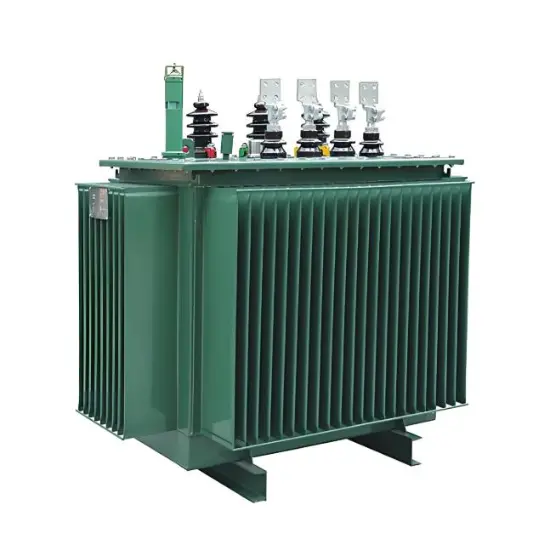
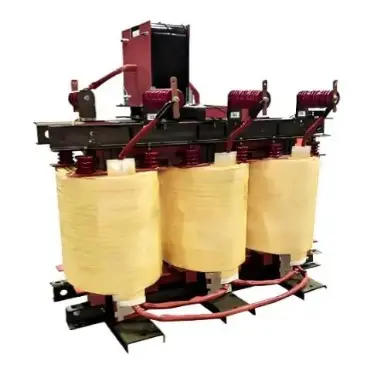
(2) Transformer Load Capacity Verification
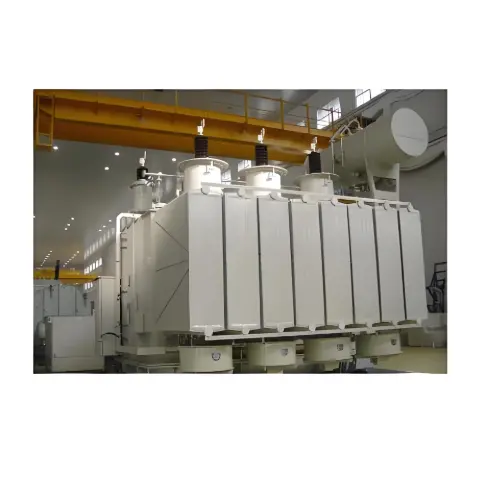
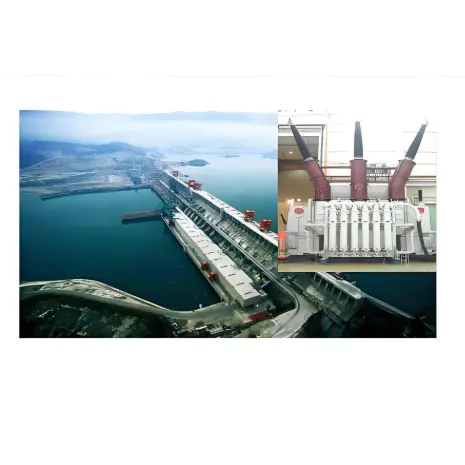
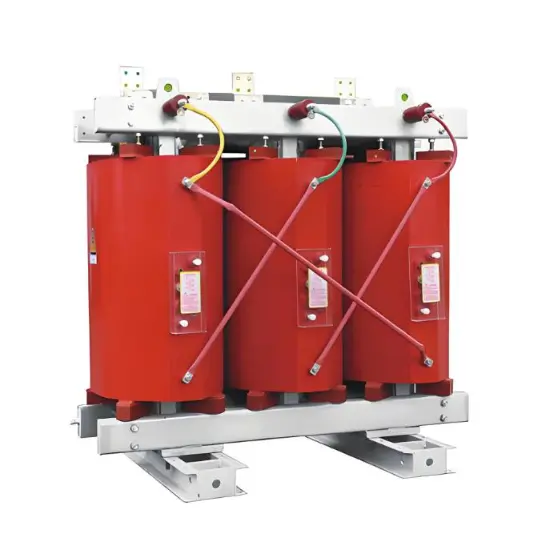
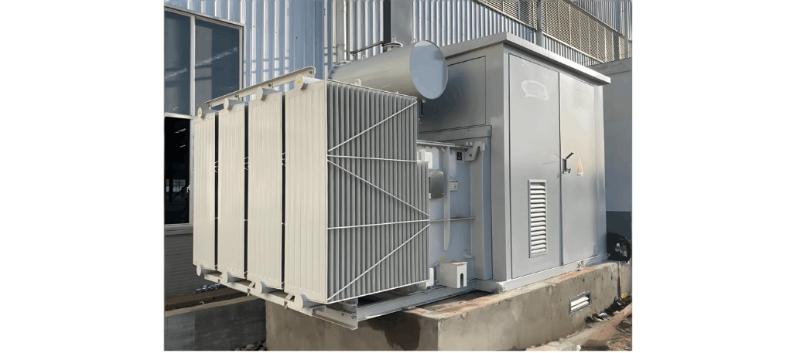
Transformers play a vital role in voltage conversion and power distribution. Load banks simulate actual loads to verify transformer efficiency and temperature rise under different loading conditions. This testing is essential for ensuring long-term reliability, especially under high-load conditions where transformer performance directly affects system safety.
(3) UPS (Uninterruptible Power Supply) System Testing
In data centers, hospitals, and other critical facilities, UPS systems ensure continuous power supply. Load banks simulate load conditions during power outages to test UPS transfer time, power delivery capability, and battery performance. This verification ensures that the UPS can respond promptly during emergencies and keep critical equipment running.
(4) Power Distribution System Optimization
Load banks are also used to test and optimize the performance of distribution systems. By simulating different load distributions, engineers can assess load balancing, identify potential bottlenecks, and improve system design. This helps enhance the efficiency and reliability of power distribution networks.
(5) Renewable Energy System Testing
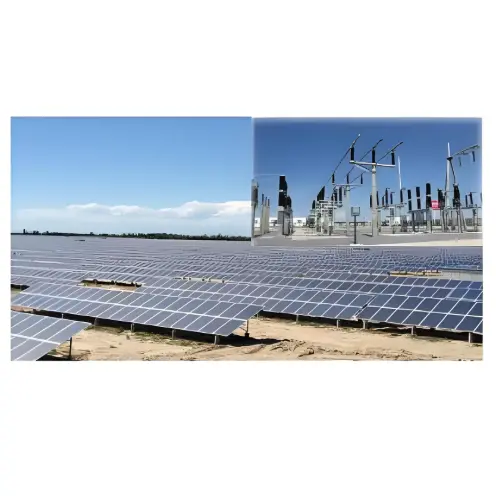
With the rapid development of renewable technologies, distributed energy sources such as solar and wind power are increasingly integrated into power systems. Load banks can simulate the output characteristics of these systems and test their performance under varying load conditions. This is crucial for ensuring compatibility and stability between renewable systems and traditional grids.
Advantages of Load Banks in Power System Testing
(1) High-Precision Simulation
Load banks accurately simulate various load types, including resistive, inductive, and capacitive loads. This enables comprehensive evaluation of power equipment and early detection of potential issues.
(2) Flexibility and Scalability
Load banks can be configured flexibly to meet diverse testing needs, from small-scale distribution systems to large power plants. Their modular design allows easy expansion to accommodate future testing requirements.
(3) Safety and Reliability
Designed to high safety standards, load banks operate stably even under extreme conditions. Built-in protection mechanisms prevent overloads, short circuits, and other hazards, ensuring safe testing operations.
(4) Data Recording and Analysis
Modern load banks are equipped with data logging and analysis functions, enabling real-time monitoring of voltage, current, power, and other parameters. These data support in-depth analysis and optimization of system design and operation.
(5) Energy Efficiency and Environmental Protection
During testing, load banks convert electrical energy into heat or other forms, preventing grid feedback and energy waste. Their efficient design also minimizes energy consumption during tests, aligning with energy-saving and environmental goals.
Conclusion
The use of load banks in power system testing enhances test accuracy and efficiency while ensuring system stability. As power systems grow in complexity and scale, the role of load banks will become increasingly important. In the future, with the integration of smart technologies, load banks are expected to play an even greater role, providing stronger support for the development of the power industry.