1. What Causes Transformer Damage from Lightning Strikes?
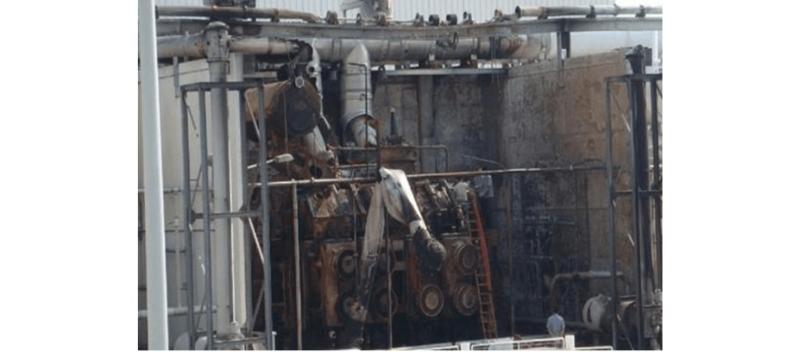
Direct Lightning Strike: When lightning directly hits a transformer or its nearby transmission lines, it generates an enormous transient current that instantly flows through the transformer windings and core. This causes the insulation material to heat up rapidly—even melt—leading to winding short circuits or burnout. Damage from direct strikes is often catastrophic.
Lightning-Induced Voltage (Electromagnetic Induction): Even if lightning does not strike the transformer directly, its powerful electromagnetic field can induce voltages between the windings—especially in the absence of effective shielding. These induced voltages can be high enough to break down the transformer’s insulation, causing partial discharges. Over time, this cumulative stress degrades the insulation layer and eventually leads to failure.
Lightning Surge Ingress: Lightning-generated surges traveling along power lines can propagate rapidly to the transformer. If the transformer lacks adequate surge protection, these lightning waves can intrude directly into the transformer, causing overvoltage that damages the internal insulation system.
Ground Potential Rise (GPR) / Backflash: During a lightning strike, the lightning current flows through the grounding system, creating a voltage drop across the grounding resistance. If the transformer’s grounding resistance is too high, a significant ground potential rise may occur. This can result in "backflash," where the transformer tank or low-voltage side experiences a high relative potential, leading to equipment damage.
2. Can a Transformer Still Be Used After a Lightning Strike?
Whether a transformer can continue to be used after a lightning strike depends on the extent of the damage and the results of subsequent inspections. Typically, the following steps must be taken immediately after a strike:
Safety Isolation and Visual Inspection: First, ensure safety by isolating the affected transformer from the grid. Conduct a visual inspection for obvious physical damage, burn marks, or oil leakage.
Dissolved Gas Analysis (DGA): Analyzing dissolved gases in the transformer oil is a key method for diagnosing internal faults. A lightning strike may cause insulation materials to decompose, releasing specific gases such as hydrogen and acetylene. Oil sample analysis helps assess the severity of internal damage.
Electrical Testing: Perform tests including insulation resistance measurement, dielectric loss factor (tan δ) testing, and DC winding resistance measurement to evaluate whether the transformer’s electrical performance has been compromised.
Professional Assessment and Repair: Based on the above test results, qualified technicians should assess the extent of damage and determine repair feasibility. Minor insulation damage may be remedied through drying, localized winding repair, or insulation replacement. However, severe damage—such as burned-out windings—may require complete rewinding or replacement of the entire transformer.
In summary, transformers can be damaged by lightning through multiple mechanisms, and their usability after a strike depends entirely on the severity of the damage. The key to preventing lightning-related failures lies in establishing a robust lightning protection system, including installing surge arresters, implementing effective grounding, and using lightning-resistant transformers.