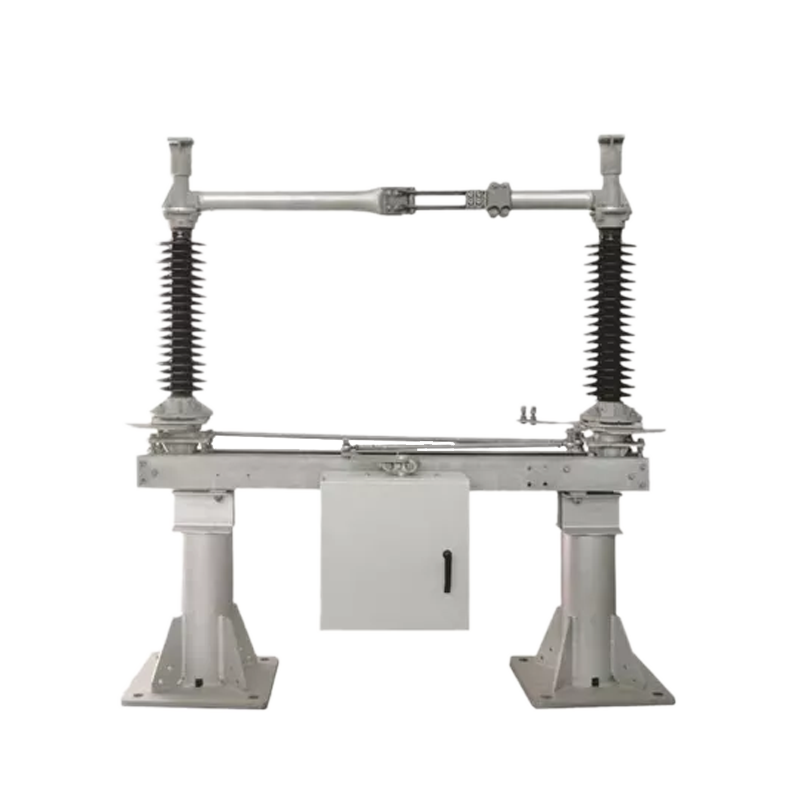
Why Do Disconnectors Overheat? Diagnosis & Fixes

Causes of Heating in Disconnectors
Incomplete closing: This significantly reduces the current-carrying cross-sectional area, leading to increased contact resistance.
Loose fasteners or degraded springs: Corrosion or overheating of the blade or contact springs reduces spring pressure; improper operating force may also cause misalignment of contact surfaces.
Poor contact closure: Results in oxidation and contamination of contact surfaces; contacts may also be damaged by arcing during operation, and linkage components may wear or deform over time.
Overloading: Excessive current causes overheating at the contacts.
Handling Methods for Disconnector Overheating
Use an infrared thermometer to measure the temperature at the hotspot to assess the severity of heating.
Based on the location and degree of overheating, redistribute the load to reduce current through the affected point; if necessary, report to the dispatch center for assistance in load reallocation.
Use an insulated operating rod rated for the corresponding voltage level to gently adjust the contact position and ensure proper contact—avoid excessive force to prevent slippage and escalation of the fault.
If overheating is caused by overloading, immediately report to dispatch and reduce the load to the disconnector’s rated capacity or below.