• Product
  • Suppliers
  • Manufacturers
  • Solutions
  • Free tools
  • Knowledges
  • Experts
  • Communities
Search


Selection Principles and Precautions for Fuse-Switch Disconnectors

James
Field: Electrical Operations
China

The selection principles and precautions for fuse-switch disconnectors are crucial to ensuring the safe and stable operation of power systems.

Selection Principles for Fuse-Switch Disconnectors

  • Rated Voltage:The rated voltage of the fuse-switch disconnector shall be equal to or greater than the rated voltage of the electrical system to ensure the equipment operates normally without damage.

  • Rated Current:The selection of rated current should be based on the load conditions of the electrical system. Typically, the rated current should be equal to or greater than the maximum load current of the system, with an appropriate safety margin considered.

  • Rated Short-Time Thermal Current (Thermal Stability Current):The rated thermal stability current must exceed the maximum prospective short-circuit current that may occur in the system, ensuring the device remains thermally stable during a short circuit.

  • Breaking Capacity:Breaking capacity refers to the maximum current the device can safely interrupt under normal operating conditions. During selection, ensure the breaking capacity is equal to or greater than the fault current of the electrical system.

  • Protection Rating (IP Rating):Select an appropriate protection rating according to the actual working environment to prevent ingress of solid objects and water.

  • Coordination:The fuse and disconnector must exhibit good coordination to ensure reliable protection across the entire protection range.

  • Selectivity:In distribution systems, fuses at different levels must coordinate to achieve selective protection. Generally, the rated current of the upstream fuse should be at least 1.6 times that of the downstream fuse, or the operating time of the upstream fuse should be at least three times longer than that of the downstream fuse, to prevent unnecessary cascading outages and minimize the scope of power interruption.
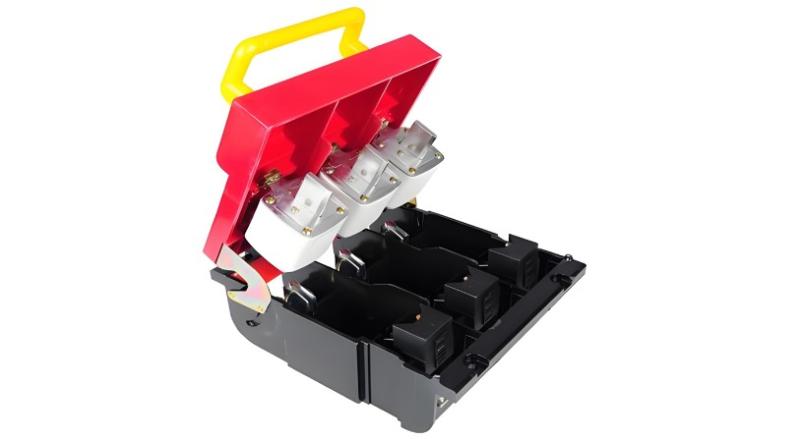
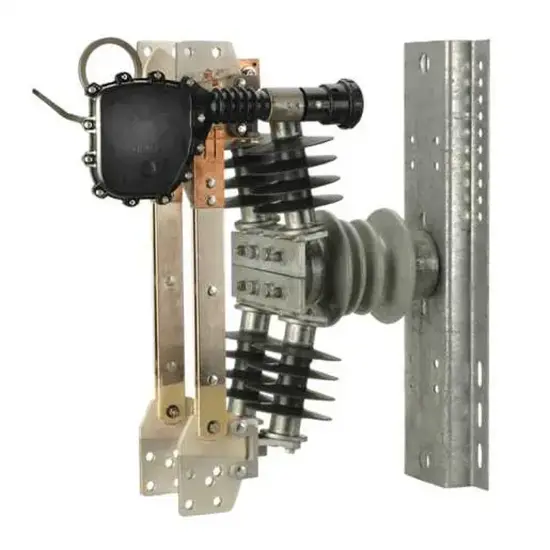
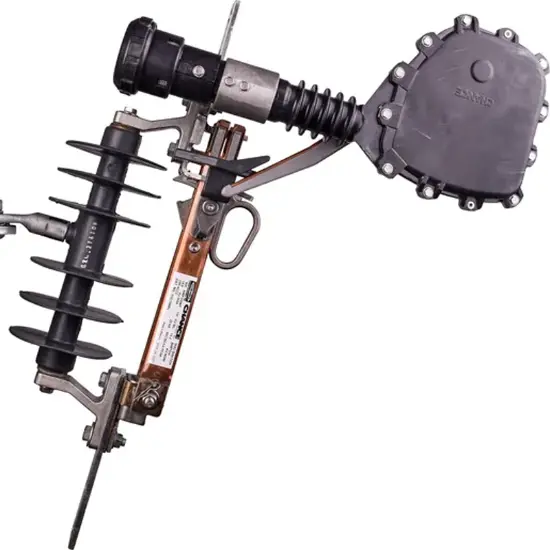
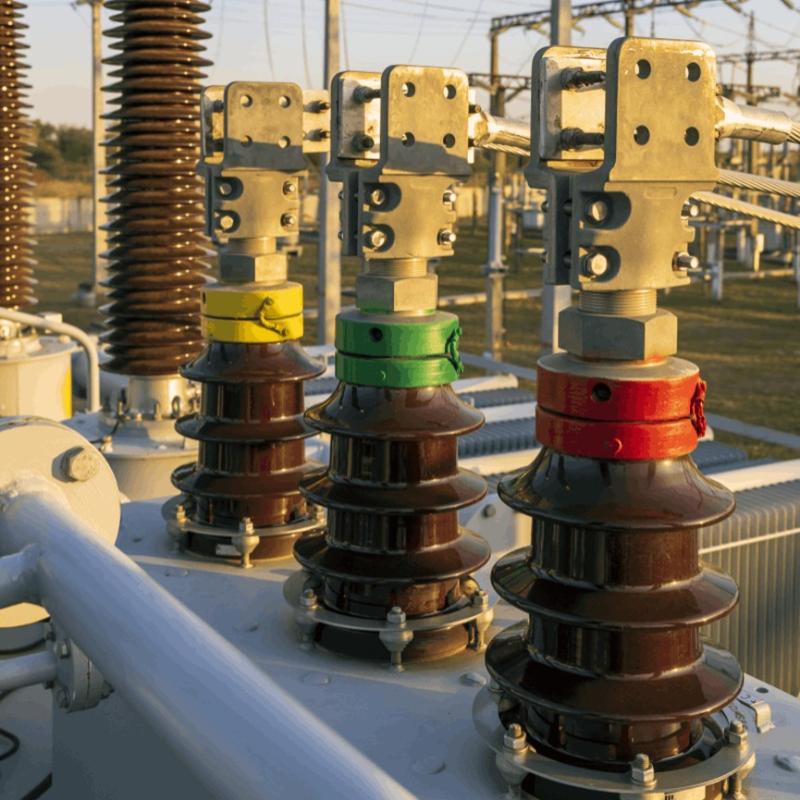
Switch Disconnectors..jpg

Selection Precautions for Fuse-Switch Disconnectors

  • Brand and Quality:Choose products from reputable manufacturers to ensure quality and reliability.

  • Ambient Temperature:Fuse-switch disconnectors must operate within a specified temperature range. Typically, the ambient temperature should be between -5°C and +40°C. In special environments, select models specifically designed for those conditions.

  • Mounting Method:Select an appropriate mounting method—such as wall-mounted or base-mounted—based on the actual installation environment and requirements.

  • Inspection and Testing:After selection, perform necessary inspections and tests to verify that the device meets required performance and safety standards.

  • Operation and Maintenance:Familiarize yourself with the operating procedures and maintenance requirements of the fuse-switch disconnector to ensure proper operation and extend service life.
Give a tip and encourage the author!

Recommended

A Brief Discussion on the Selection of Grounding Transformers in Boost Stations
A Brief Discussion on the Selection of Grounding Transformers in Boost StationsThe grounding transformer, commonly referred to as "grounding transformer," operates under the condition of being no-load during normal grid operation and overloaded during short-circuit faults. According to the difference in filling medium, common types can be divided into oil-immersed and dry-type; according to phase number, they can be classified into three-phase and single-phase grounding transformers. The groundi
01/27/2026
High Voltage Bushing Selection Standards for Power transformer
1. Structure Forms and Classification of BushingsThe structure forms and classification of bushings are shown in the table below: Serial No. Classification Feature Category 1 Main insulation structure Capacitive Type Resin-impregnated paperOil-impregnated paper Non-capacitive Type Gas insulationLiquid insulationCasting resinComposite insulation 2 External Insulation Material PorcelainSilicone Rubber 3 Filling Material Between Capacitor Core and Exte
12/20/2025
Functions and Selection of Grounding Transformers in Photovoltaic Power Stations
1.Neutral Point Establishment and System StabilityIn photovoltaic power stations, grounding transformers effectively establish a system neutral point. According to relevant power regulations, this neutral point ensures the system maintains certain stability during asymmetric faults, functioning like a "stabilizer" for the entire power system.2.Overvoltage Limitation CapabilityFor photovoltaic power stations, grounding transformers can effectively limit overvoltages. Generally, they can control o
12/17/2025
How to Select H61 Distribution Transformers?
H61 Distribution Transformer Selection includes the selection of transformer capacity, model type, and installation location.1.Selection of H61 Distribution Transformer CapacityThe capacity of H61 distribution transformers should be selected based on the current conditions and development trends of the area. If the capacity is too large, it results in the “large horse pulling a small cart” phenomenon—low transformer utilization and increased no-load losses. If the capacity is too small, the tran
12/06/2025
Related Products
Send inquiry
+86
Click to upload file
Download
Get the IEE Business Application
Use the IEE-Business app to find equipment, obtain solutions, connect with experts, and participate in industry collaboration anytime, anywhere—fully supporting the development of your power projects and business.