1 Transformer Testing and Protection
Grounding is divided into working grounding and protective grounding.
Working grounding: Grounding performed to meet the operational requirements of equipment.
Protective grounding: Grounding implemented to prevent the metal enclosures of operating electrical equipment, structures of switchgear installations, and transmission towers from becoming energized, thereby endangering personal and equipment safety. Therefore, grounding of the transformer neutral point belongs to working grounding.
1.1 Operational Monitoring
In substations without on-site personnel, inspection personnel must, according to relevant regulations, monitor oil temperature, air pollution level, local ambient temperature, and air humidity. Compare the current oil temperature reading with the previous measurement to determine if there is a significant difference. If the difference is excessive, analyze the cause. The oil circulation cooling system must have two independent power supplies capable of automatic switchover. When the operating power supply fails, the system should automatically switch to the standby power supply and simultaneously send an alarm signal for inspection.
1.2 Project Testing
1.3 Protection of Transformer Cooling Equipment
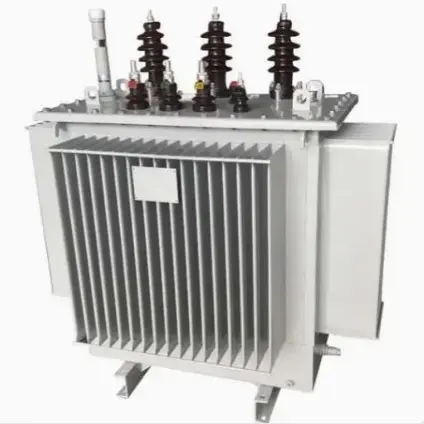
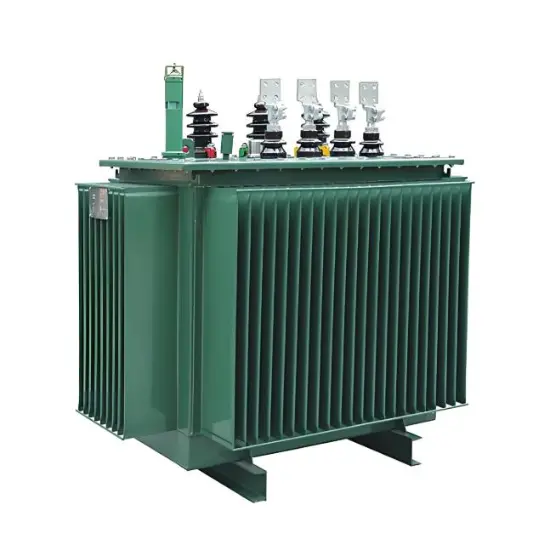
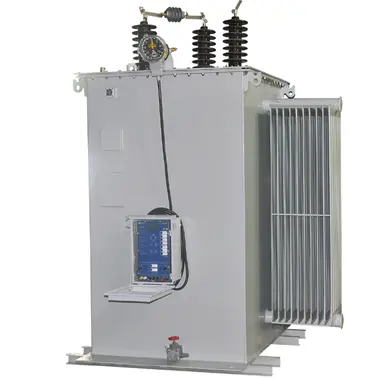
The transformer tank serves as the outer shell of the transformer, housing the core, windings, and transformer oil, and also plays a certain role in heat dissipation.
The function of the transformer cooling equipment is that when a temperature difference occurs in the upper oil layer of the transformer, oil circulation is formed through radiators. The oil is cooled as it passes through the radiator and then returns to the tank, thereby reducing the oil temperature. To improve cooling efficiency, measures such as air cooling, forced oil-air cooling, or forced oil-water cooling may be adopted.
2 Transformer Maintenance and Care
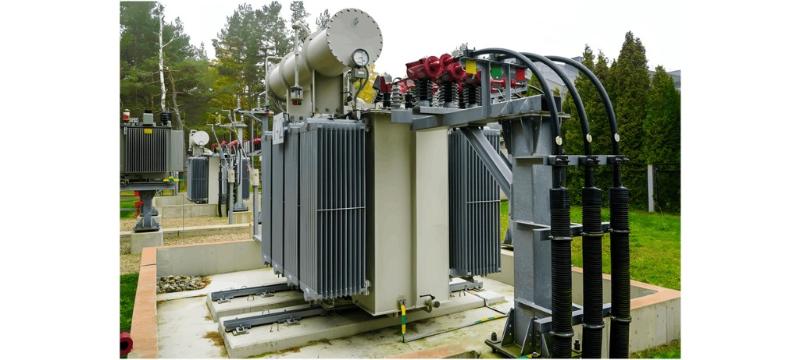
The key to transformer maintenance and care lies in dust removal. It is essential to clean dust from the surface of insulating components. Dust accumulation on surfaces must be regularly removed to prevent cooling equipment from malfunctioning or heat dissipation from being obstructed. Maintenance personnel may follow the methods below:
2.1 Dust Removal
During maintenance, safety regulations must be strictly followed. All power sources must be disconnected, and verification of de-energization must be performed before maintenance begins.
Conduct a comprehensive inspection of oil temperature and cooling equipment.
Use a vacuum cleaner to remove dust from heavily dusted areas; other insulating surfaces may be wiped clean with a dry cloth.
Check whether all temperature measuring instruments and their circuits are functioning normally.
Perform maintenance and care in accordance with the corresponding maintenance manual.
Inspect the fixed power circuits for any looseness; if found, take immediate corrective action.
2.2 Maintenance of Aged Transformers
Lift the tank cover to inspect the core, or lift out the core for inspection; inspect windings, leads, and electromagnetic shielding; inspect the core, core fasteners, clamping bolts, pressure plates, and grounding strips; inspect the oil tank and accessories, including bushings and breathers.
Inspect auxiliary equipment such as coolers, oil pumps, fans, valves, and piping; inspect safety protection devices; inspect oil preservation devices; inspect temperature measurement devices; inspect and test the control cabinet; inspect off-circuit tap changers or on-load tap changers; perform drying treatment of the core; process or replace transformer oil; clean the oil tank and repaint; conduct post-overhaul tests and trial operation.
2.3 Transformer Classification
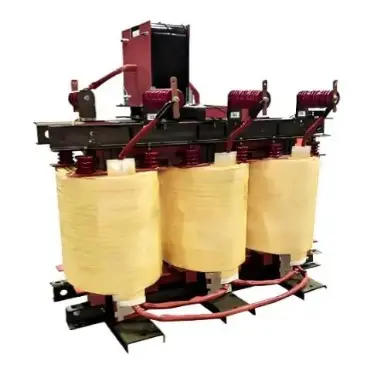
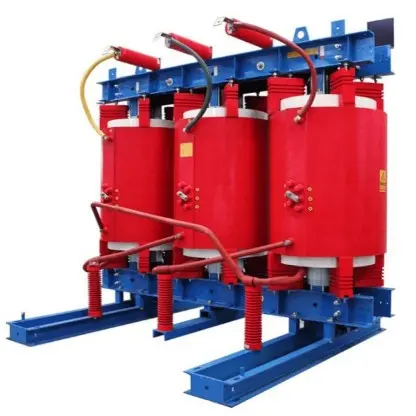
By application: Transformers can be classified as special transformers, power transformers, and power supply transformers used in electronic technology. By cooling method: They can be classified as air self-cooled, oil-immersed self-cooled, and oil-immersed air-cooled transformers. Different maintenance and care methods apply depending on the transformer type. Therefore, personnel must follow the relevant manuals when performing maintenance and care.
2.4 Daily Operational Precautions
During operation, check that the ambient temperature is within -4°C to 48°C. The transformer temperature must not exceed 100°C; if abnormalities are detected, handle them promptly. During hot summer weather, install ventilation and heat dissipation equipment to reduce excessive corrosive gases in the air, which is also beneficial to the health of inspection personnel. Pay attention to rainwater ingress; appropriate measures must be taken for sealing and drainage systems.
Monitor whether oil level, oil temperature, and sound are normal; check whether high- and low-voltage porcelain bushings show signs of discharge; verify whether the load carried by the transformer exceeds its rated power. Record current, voltage, power, and power factor, especially during parallel operation of transformers—pay close attention to oil pressure, oil temperature, and prevent circulating currents that could damage the transformer. Check whether the cooling system is operating normally and whether any faults have occurred.
3 Conclusion
The above covers common transformer testing procedures, causes of faults, and basic maintenance practices. It includes accident detection techniques during operation and summarizes methods for fault elimination. Transformers may frequently encounter issues and faults during operation, but as long as we remain careful and diligent in our work, many faults can be avoided. Regular maintenance and care are essential to reduce accidents and achieve expected operational efficiency.