Impact of DC Bias in Transformers at Renewable Energy Stations Near UHVDC Grounding Electrodes
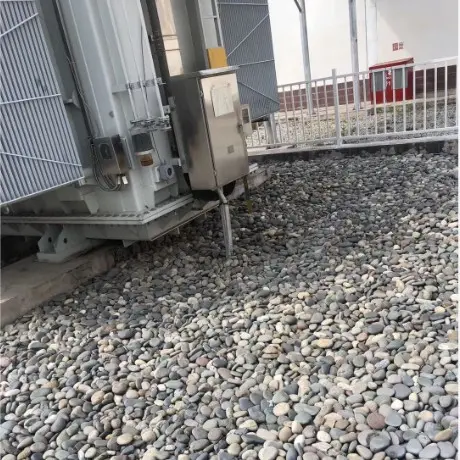
When the grounding electrode of an Ultra-High-Voltage Direct Current (UHVDC) transmission system is located close to a renewable energy power station, the return current flowing through the earth can cause a rise in ground potential around the electrode area. This ground potential rise leads to a shift in the neutral-point potential of nearby power transformers, inducing DC bias (or DC offset) in their cores. Such DC bias can degrade transformer performance and, in severe cases, cause equipment damage. Therefore, effective mitigation measures are essential.
A detailed analysis of this issue is provided below:
1. Influencing Factors
The severity of DC bias depends on multiple factors, including:
- The operating current of the UHVDC system;
- The location and design of the grounding electrode;
- The spatial distribution of soil resistivity;
- The winding connection configuration and structural characteristics of the transformer.
2. Consequences of DC Bias
DC bias in transformers can result in:
- Increased audible noise and mechanical vibration;
- Elevated temperature rise due to additional core losses;
- Accelerated aging of winding insulation under prolonged exposure.
- These effects compromise the safe and reliable operation of transformers and shorten their service life.
3. Mitigation Measures
To suppress DC bias, several technical strategies can be employed:
- Dynamically switching the neutral grounding mode of the renewable energy station (e.g., between solidly grounded and high-resistance grounded);
- Optimizing the grounding grid design to balance potential distribution between the renewable plant and nearby substations;
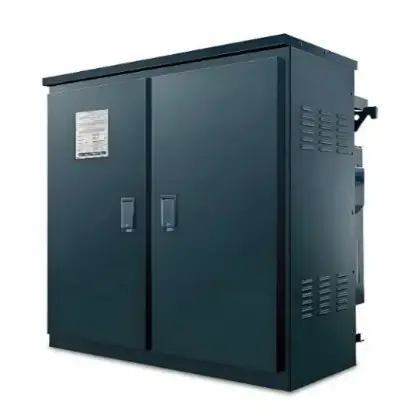
- Installing DC-blocking devices (e.g., capacitive or active-type neutral blocking devices) at transformer neutral points to block geomagnetically induced or stray DC currents.
Conclusion
The impact of DC bias on transformers in renewable energy stations near UHVDC grounding electrodes is a complex geoelectrical and power system issue that requires a holistic approach. It is recommended to implement continuous monitoring of DC bias levels in affected transformers, conduct periodic risk assessments, and proactively deploy mitigation measures. Doing so ensures the safe, stable, and long-term operation of renewable energy facilities within regions influenced by UHVDC systems.