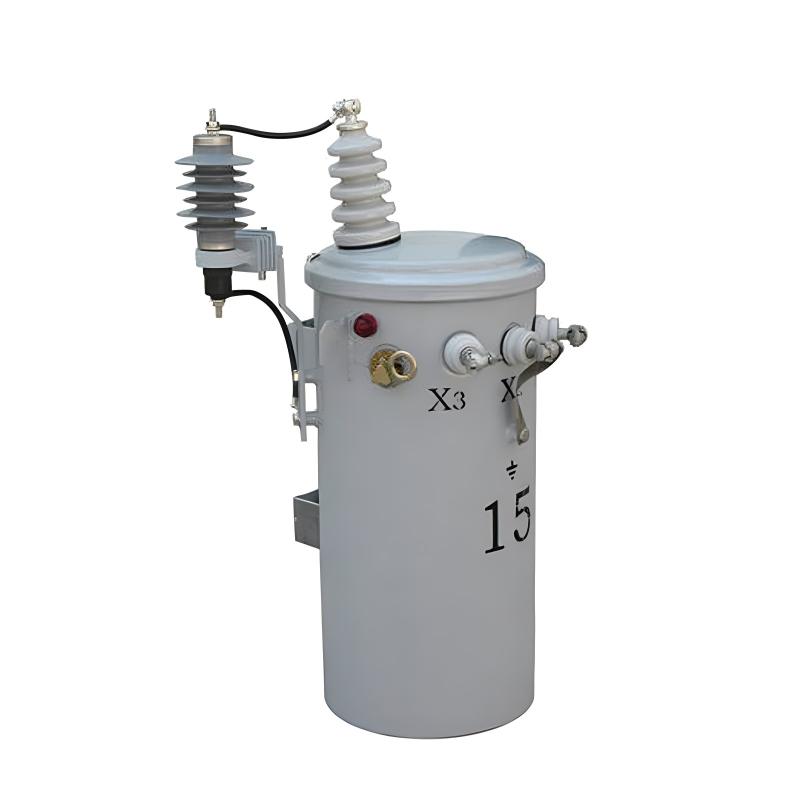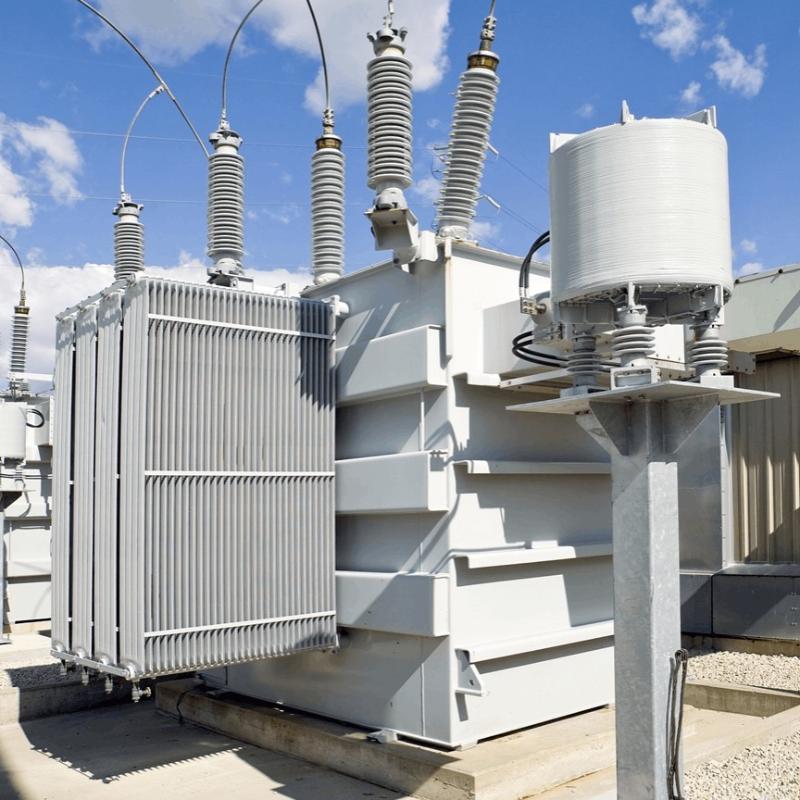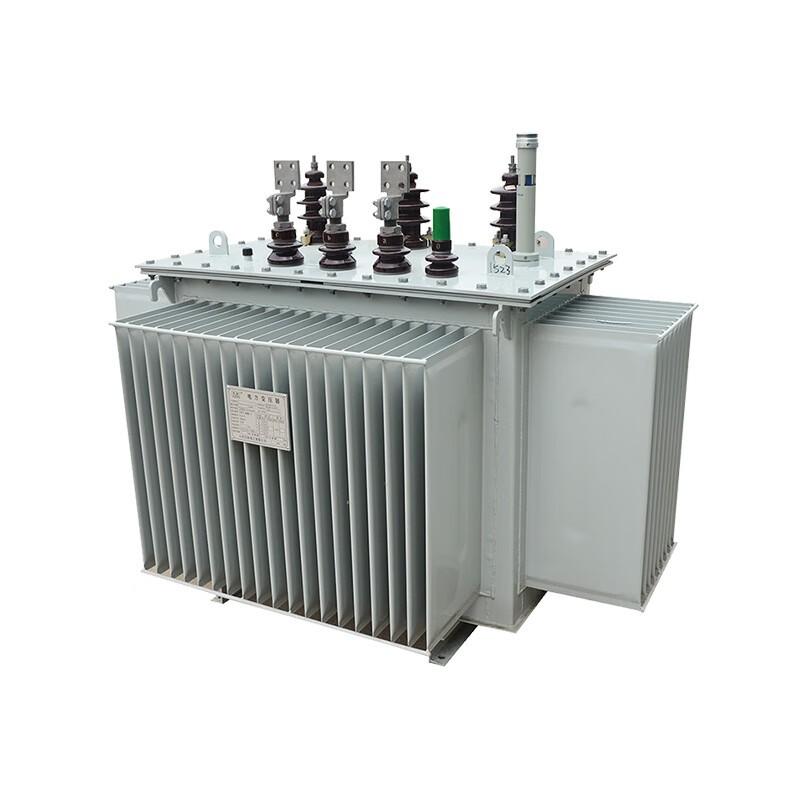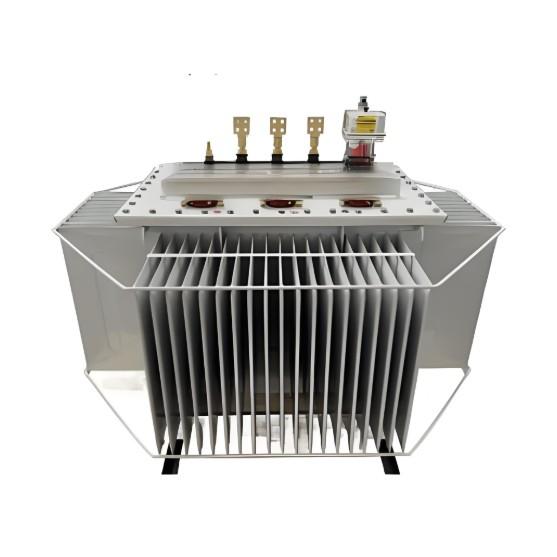
In practical work, insulation resistance of distribution transformers is generally measured twice:
the insulation resistance between the high-voltage (HV) winding and the low-voltage (LV) winding plus the transformer tank, and
the insulation resistance between the LV winding and the HV winding plus the transformer tank.
If both measurements yield acceptable values, it indicates that the insulation among the HV winding, LV winding, and transformer tank is qualified. If either measurement fails, pairwise insulation resistance tests must be conducted among all three components (HV–LV, HV–tank, LV–tank) to identify which specific insulation path is defective.
1. Preparation of Tools and Instruments
For insulation resistance testing of a 10 kV distribution transformer, the following tools and instruments are required:
2500 V insulation resistance tester (megohmmeter)
1000 V insulation resistance tester
Discharge rod
Voltage detector (voltage tester)
Grounding cables
Shorting leads
Insulating gloves
Adjustable wrench
Screwdrivers
Lint-free cloth (e.g., gauze)
Before use, inspect all tools and instruments for damage and verify they are within their valid safety test period. Additionally, perform open-circuit and short-circuit tests on the insulation resistance testers to confirm proper operation.
2. Transitioning the Transformer from Service to Maintenance Status
To take a rural distribution transformer out of service for maintenance:
Maintenance personnel must complete a work permit, which undergoes step-by-step approval.
Upon dispatch authorization, on-site operators disconnect the LV load, open the HV drop-out fuses, and establish a visible disconnection point.
Maintenance staff then perform discharge, voltage verification, install grounding lines, and set up barriers and warning signs.
3. Insulation Resistance Measurement
For a transformer already in maintenance status:
Remove all HV and LV leads from the bushing terminals.
Clean the HV and LV bushings thoroughly with a lint-free cloth to prevent surface contamination from affecting results.
Visually inspect bushings for discharge marks or cracks.
After cleaning, short together the three HV bushing terminals and the four LV bushing terminals using shorting leads.
Measurement 1: HV winding to LV winding + tank
Use a 2500 V insulation resistance tester.
Short and ground the transformer tank and LV bushing terminals.
Connect the L (line) terminal of the tester to the HV shorting lead.
Connect the E (earth) terminal to the LV shorting lead.
If bushings are heavily contaminated, connect the G (guard) terminal via a wire wrapped around the HV bushing near the L connection (without touching L), ensuring G remains well insulated from E.
Measurement 2: LV winding to HV winding + tank
Use a 1000 V insulation resistance tester.
Short and ground the transformer tank and HV bushing terminals.
Connect the L terminal to the LV shorting lead.
Connect the E terminal to the HV shorting lead.
If using the G terminal, wrap its lead around the LV bushing under the same conditions as above.
4. Measurement Precautions
(1) Maintain adequate spacing between L, G, and E leads during wiring. Insufficient separation may cause arcing between leads, increasing leakage current between L and E and compromising measurement accuracy.
(2) The insulation resistance tester delivers its rated voltage only at a cranking speed of 120 rpm. Maintain this speed throughout the test, and continue cranking for at least 1 minute before recording the reading.
(3) The HV winding, LV winding, and tank form a large capacitive system. After taking the reading:
– First disconnect the tester leads from the transformer, then stop cranking. Failure to do so may allow the charged transformer to back-feed into the tester, potentially damaging it.
– Always discharge the transformer thoroughly using a discharge rod before removing any test leads.
(4) After completing the test, record the ambient temperature during measurement and correct the insulation resistance value to 20°C for standardized comparison. Compare the corrected result against applicable code requirements and historical data—no significant deviation should be observed.