120kV 168kV 204 kV Tank Type Vacuum Circuit Breaker(VCB)
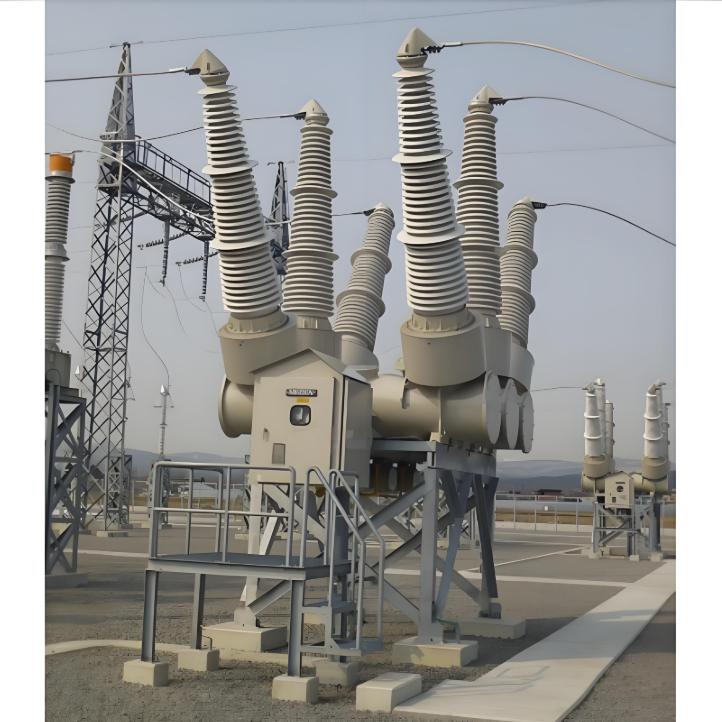
Key attributes
| Brand | ROCKWILL |
| Model NO. | 120kV 168kV 204 kV Tank Type Vacuum Circuit Breaker(VCB) |
| Rated voltage | 120kV |
| Rated normal current | 2000A |
| Rated frequency | 50/60Hz |
| Series | VBO |
Product descriptions from the supplier
Description
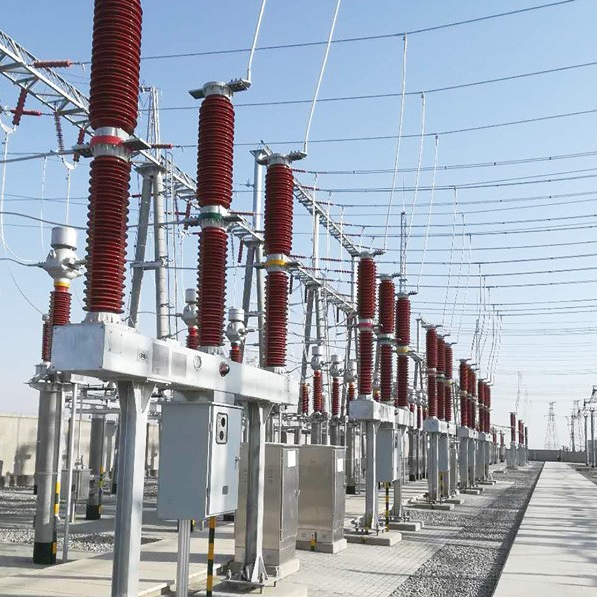
The 120kV, 168kV, and 204kV Tank Type Vacuum Circuit Breakers (VCBs) are high-voltage power switching solutions engineered for robust performance across medium-voltage power transmission and distribution networks. Designed with a sealed tank structure (tank type) to encapsulate core components, these VCBs leverage vacuum interrupters for reliable arc extinction, ensuring safe and efficient current interruption in medium-to-high voltage systems.
Ideal for utility substations, industrial power grids, and renewable energy integration projects (such as wind and solar farms), these breakers cover a versatile voltage range to meet diverse grid requirements. Their tank-type design enhances insulation stability and environmental resistance, while vacuum technology eliminates the need for greenhouse gases like SF₆, aligning with global low-carbon initiatives. Whether deployed in harsh outdoor environments or compact indoor substations, they deliver consistent operation, long service life, and reduced lifecycle costs, making them a sustainable choice for modern power infrastructure.
Product Features
Environmentally-friendly and excellent anti-seismic performance circuit breaker.Because a vacuum interrupter (VI) is used in the breaking part, it has an excellent breaking performance and there is no gas decomposition by current breaking. A bushing current transformer (BCT) can be built into the tank. This reduces the footprint space. It does not require the inspection of the breaking part by opening. It can realize the maintenance cost saving. It also reduced the required SF6 gas amount down to about 1/3 compared with that of gas circuit breaker (GCB).
Excellent breaking performance through vacuum insulation of the breaking part
Smaller footprint space by the adoption of built-in bushing CT (BCT)
It can save the maintenance cost since it does not require the inspection of breaking part by opening.
It can realize the life-cycle cost (LCC) reduction by approx. 40% compared with that of GCB
Excellent anti-seismic performance due to the low center of gravity
Environment-friendly type. It could reduce the the SF6 gas amount compared with that of GCB
Specifications
Rated voltage (kV) |
120kV |
168kV |
204kV |
|||
Rated current (A) |
1200 |
2000 |
1200 |
2000 |
1200 |
2000 |
Rated breaking current (kA) |
31.5 |
31.5 |
40 |
31.5 |
40 |
|
Rated opening time (s) |
0.06 (5 cycles) |
0.037 |
||||
Rated interrupting time (cycles) |
5/3 |
3 |
||||
Operating duty |
A (O - 1 min - CO - 3 min - CO), B (CO - 15 sec - CO), R (O - 0.35 sec - CO - 1 min - CO) |
|||||
Closing time (s) |
0.13 |
|||||
Rated closure operating voltage (V) |
DC100 |
|||||
Rated motor voltage (V) |
DC100 |
|||||
Insulation medium |
SF6 gas |
|||||
Rated gas pressure (MPa-g) |
0.15 (20℃) |
|||||
Operation system |
Motor-charged spring |
|||||
Applicable standards |
JEC-2300 (1998) |
|||||
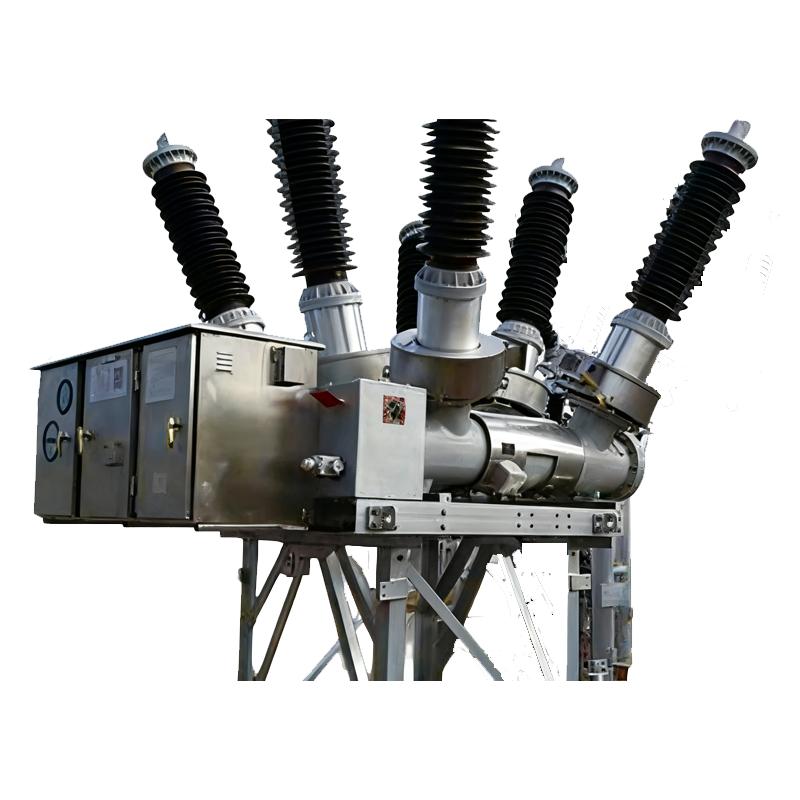
The leakage rate of SF₆ gas must be controlled at an extremely low level, typically not exceeding 1% per year. SF₆ gas is a potent greenhouse gas, with a greenhouse effect 23,900 times that of carbon dioxide. If a leak occurs, it can not only cause environmental pollution but also lead to a decrease in the gas pressure within the arc quenching chamber, affecting the performance and reliability of the circuit breaker.
To monitor the leakage of SF₆ gas, gas leakage detection devices are typically installed on tank-type circuit breakers. These devices help to promptly identify any leaks so that appropriate measures can be taken to address the issue.
Integral Tank Structure:
-
Integral Tank Structure: The breaker's arc quenching chamber, insulating medium, and related components are sealed within a metal tank filled with an insulating gas (such as sulfur hexafluoride) or insulating oil. This forms a relatively independent and sealed space, effectively preventing external environmental factors from affecting the internal components. This design enhances the insulation performance and reliability of the equipment, making it suitable for various harsh outdoor environments.
Arc Quenching Chamber Layout:
-
Arc Quenching Chamber Layout: The arc quenching chamber is typically installed inside the tank. Its structure is designed to be compact, enabling efficient arc quenching within a limited space. Depending on different arc quenching principles and technologies, the specific construction of the arc quenching chamber may vary, but generally includes key components such as contacts, nozzles, and insulating materials. These components work together to ensure that the arc is quickly and effectively extinguished when the breaker interrupts the current.
Operating Mechanism:
-
Operating Mechanism: Common operating mechanisms include spring-operated mechanisms and hydraulic-operated mechanisms.
-
Spring-Operated Mechanism: This type of mechanism is simple in structure, highly reliable, and easy to maintain. It drives the opening and closing operations of the breaker through the energy storage and release of springs.
-
Hydraulic-Operated Mechanism: This mechanism offers advantages such as high output power and smooth operation, making it suitable for high-voltage and high-current class breakers.

Related Products
-
15kV 15.5kV 22kV 27kV 38kV Three-Phase Automatic Circuit Recloser/ reclosure with ADVC Controller

-
17.5kV 27.7kV 30kV 33.5kV 36kV Solid dielectric single-triple-phase recloser/reclosure
-
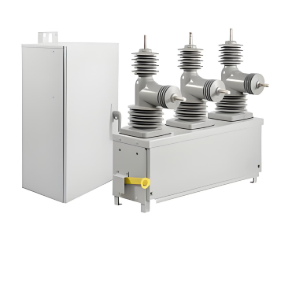
15kV 15.6kV 38kV 38.5kV Three-phase outdoor vacuum distribution recloser/Reclosure Original Manufacturer
-
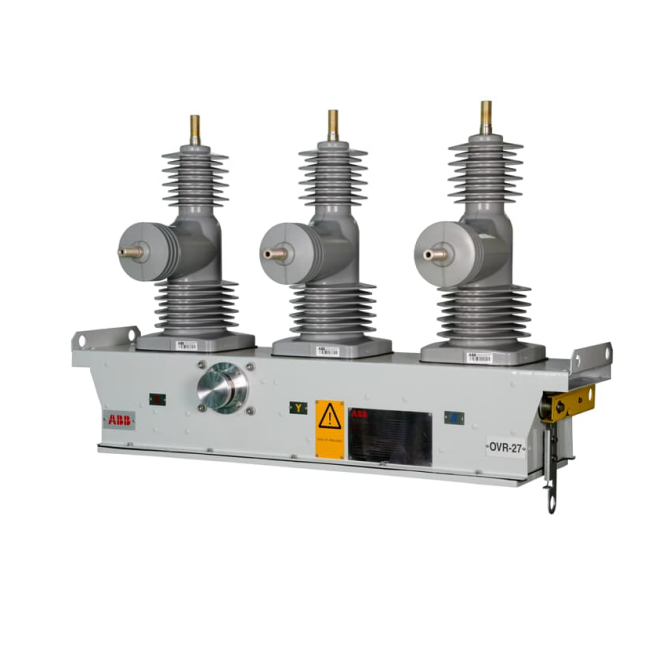
22kV 24kV 25.8kV 27kV Self-powered single-phase Automatic Recloser / Reclosure Direct Supply
-
13.8kV 14.5kV 15kV 21.9kV 27kV Pole-Mounted Three Phase Automatic Recloser / Reclosure Custom Factory
-
6kV 6.3kV 12.5kV 15kV Three-Phase Smart recloser/reclosure Source Manufacturer
-
Customizable 6.6kV 6.9kV 7.2kV 14.5kV 15kV Three phase outdoor vacuum Smart recloser/Reclosure

Related Knowledges
-
 Intelligent Grounding Transformers for Island Grid Support1. Project BackgroundDistributed photovoltaic (PV) and energy storage projects are developing rapidly across Vietnam and Southeast Asia, yet face significant challenges:1.1 Grid Instability:Vietnam's power grid experiences frequent fluctuations (particularly in northern industrial zones). In 2023, coal power shortages triggered large-scale blackouts, resulting in daily losses exceeding USD 5 million. Traditional PV systems lack effective neutral grounding management capabilities, making equipmen12/18/2025
 -
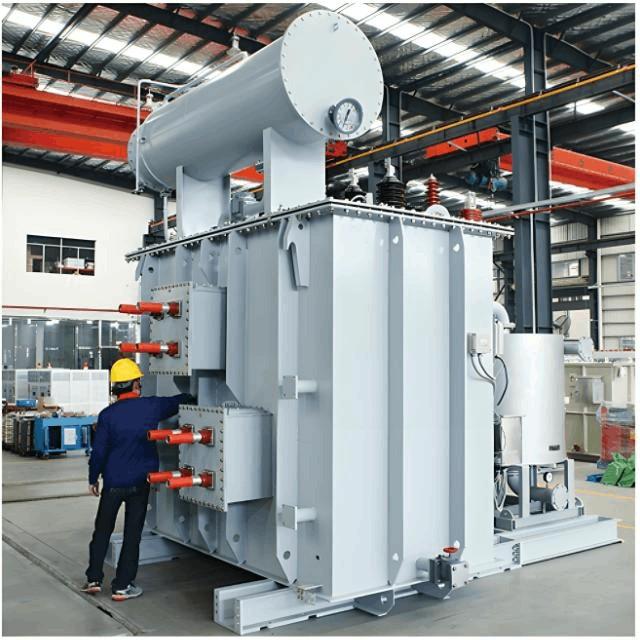 Commissioning Test Procedures for Oil-Immersed Power TransformersTransformer Testing Procedures and Requirements1. Non-Porcelain Bushing Tests1.1 Insulation ResistanceSuspend the bushing vertically using a crane or support frame. Measure the insulation resistance between the terminal and the tap/french using a 2500V megohmmeter. The measured values should not significantly deviate from factory values under similar environmental conditions. For capacitive-type bushings rated 66kV and above with tap bushings, measure the insulation resistance between the "small12/17/2025
 -
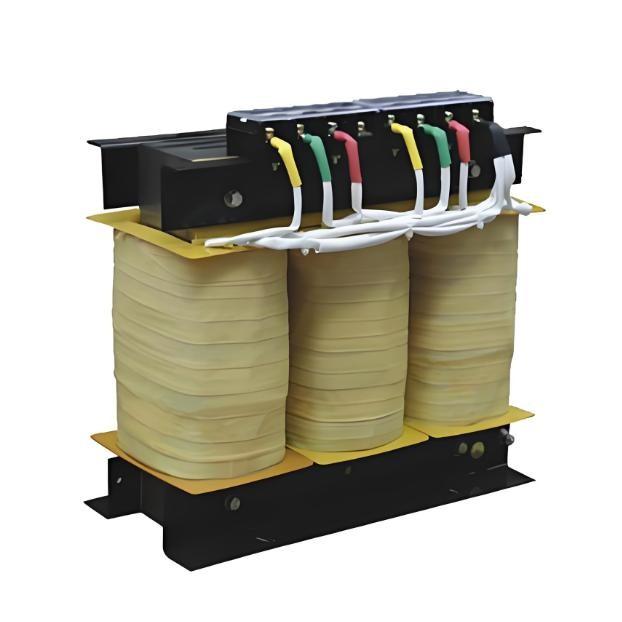 Quality Standards for Core Maintenance of Power TransformersTransformer Core Inspection and Assembly Requirements The iron core should be flat with intact insulation coating, tightly stacked laminations, and no curling or waviness at the edges of silicon steel sheets. All core surfaces must be free of oil, dirt, and impurities. There should be no short circuits or bridging between laminations, and joint gaps must meet specifications. Good insulation must be maintained between the core and upper/lower clamping plates, square iron pieces, pressure plates,12/17/2025
 -
 Power Transformers: Short Circuit Risks, Causes, and Improvement MeasuresPower Transformers: Short Circuit Risks, Causes, and Improvement MeasuresPower transformers are fundamental components in power systems that provide energy transmission and are crucial induction devices ensuring safe power operation. Their structure consists of primary coils, secondary coils, and an iron core, utilizing the principle of electromagnetic induction to alter AC voltage. Through long-term technological improvements, the reliability and stability of power supply have continuously enha12/17/2025
 -
 8 Key Measures to Reduce Partial Discharge in Power TransformersGrowing Requirements for Power Transformer Cooling Systems and the Function of CoolersWith the rapid development of power grids and the increase in transmission voltage, power grids and electricity users are demanding increasingly higher insulation reliability for large power transformers. Since partial discharge testing is non-destructive to insulation yet highly sensitive, effectively detecting inherent defects in transformer insulation or safety-threatening defects generated during transporta12/17/2025
 -
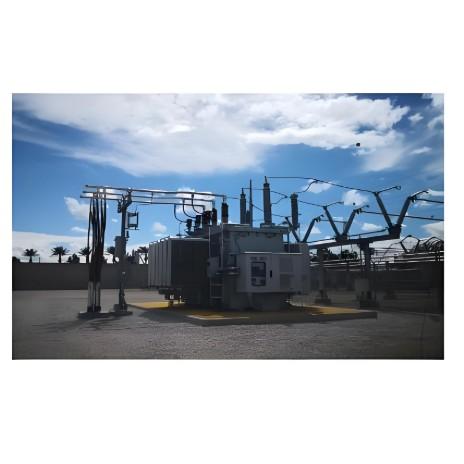 General Requirements and Functions of Power Transformer Cooling SystemsGeneral Requirements for Power Transformer Cooling Systems All cooling devices shall be installed in accordance with the manufacturer's specifications; The cooling system with forced oil circulation must have two independent power supplies with automatic switching capability. When the working power supply fails, the standby power supply shall be automatically activated while emitting audible and visual signals; For transformers with forced oil circulation, when a faulty cooler is disconnected, a12/17/2025
Related Solutions
-
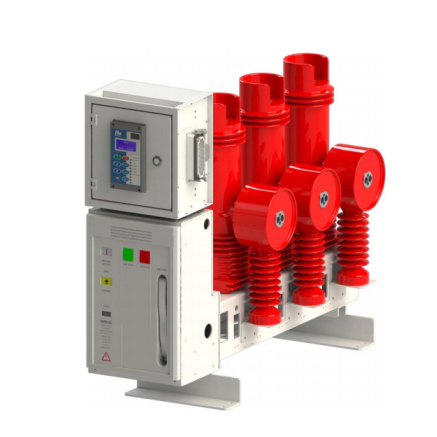 Intelligent Operation Solution for 12kV Vacuum Circuit Breakers: Integrating Real-time Monitoring & Lifetime OptimizationⅠ. Equipment Operation & MaintenanceIntelligent Monitoring System IntegrationMulti-parameter Real-time Monitoring: Embedded sensors (temperature, displacement, Hall effect current sensors) track contact temperature rise, mechanical characteristics (opening/closing speed, overtravel), coil current, and partial discharge signals. Data undergoes preprocessing via edge computing prior to cloud upload.Lifetime Prediction Model: Dynamically evaluates remaining lifespan using electrical wear data06/10/2025
 -
 SF6 Circuit Breaker Solutions for Outdoor Installation (Anti-Pollution & Seismic Resistance)I.Core Challenges in Outdoor InstallationIn high-voltage transmission and distribution systems, SF6 circuit breakers are exposed to complex outdoor environments for extended periods, facing the following critical issues:Pollution & Insulation DegradationDust, salt fog, and industrial pollutants in outdoor environments easily adhere to equipment surfaces. In coastal or industrial areas, pollution levels may reach Class IV, resulting in insufficient creepage distance and triggering flasho05/12/2025
 -
 12kV Indoor Vacuum Circuit Breaker Southeast Asia Solution: Anti-Corrosion Compact Design12kV Indoor Vacuum Circuit Breaker Southeast Asia Solution: Anti-Corrosion Compact DesignⅠ. Executive SummarySoutheast Asia faces rapidly growing electricity demand alongside environmental challenges including high temperatures, humidity, salt spray corrosion, and grid instability. This solution recommends Solid Insulated Pole-Mounted Vacuum Circuit Breakers (VCB) featuring high reliability, compact design, and smart monitoring. Tailored for tropical climates and industrial scenarios, it06/10/2025