• Product
  • Suppliers
  • Manufacturers
  • Solutions
  • Free tools
  • Knowledges
  • Experts
  • Communities
Search


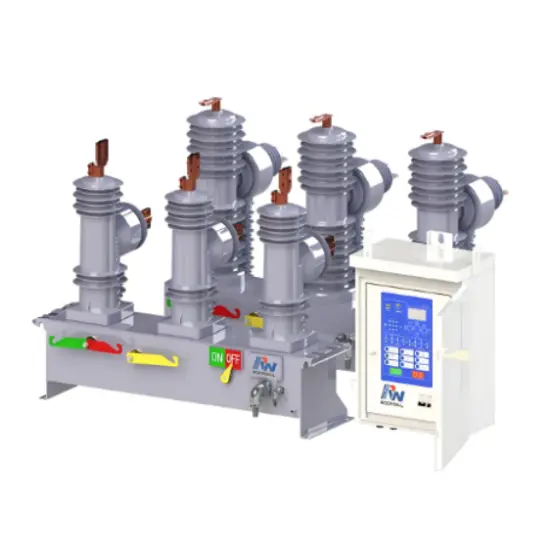
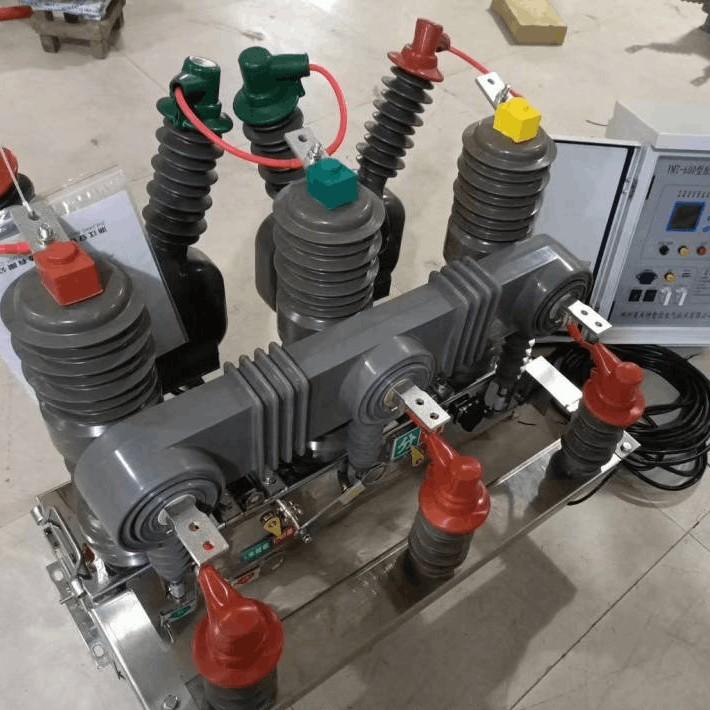
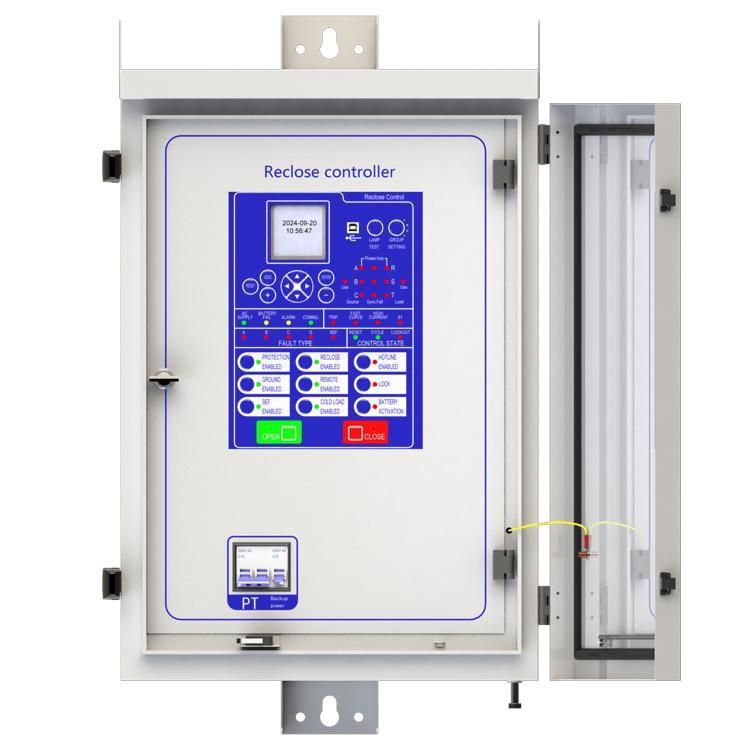
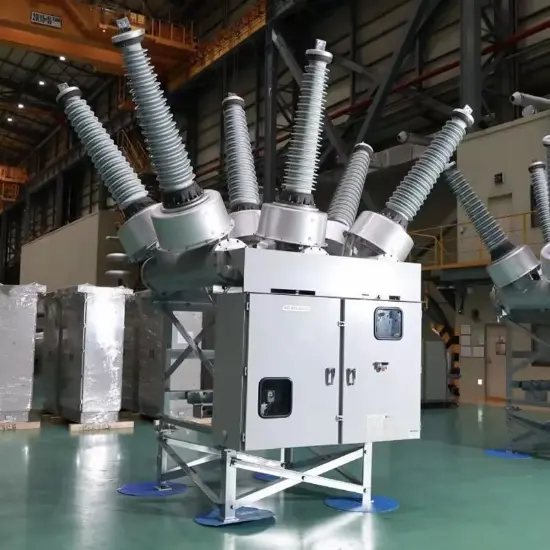
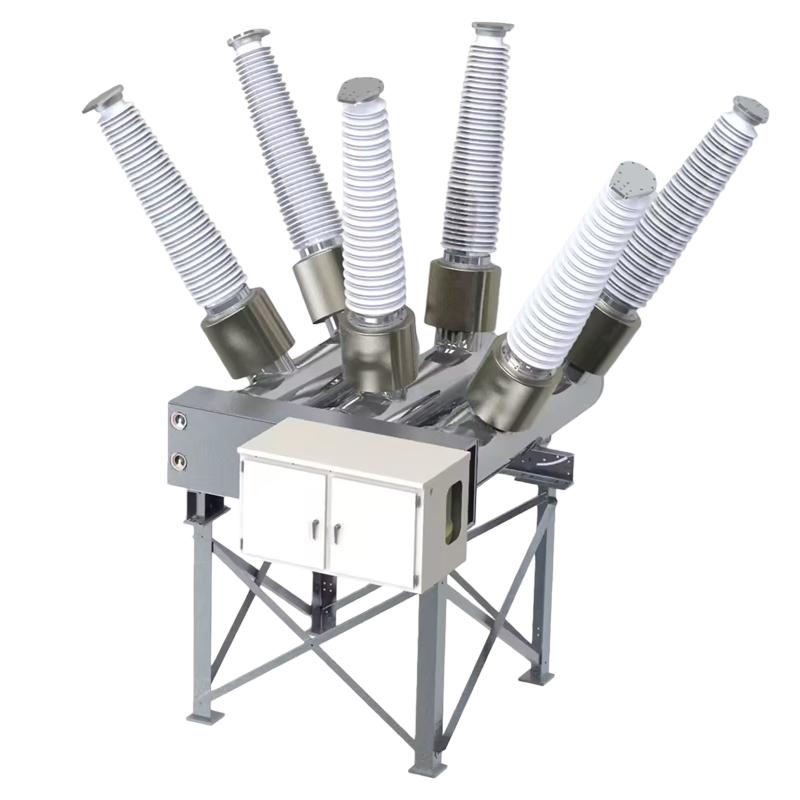
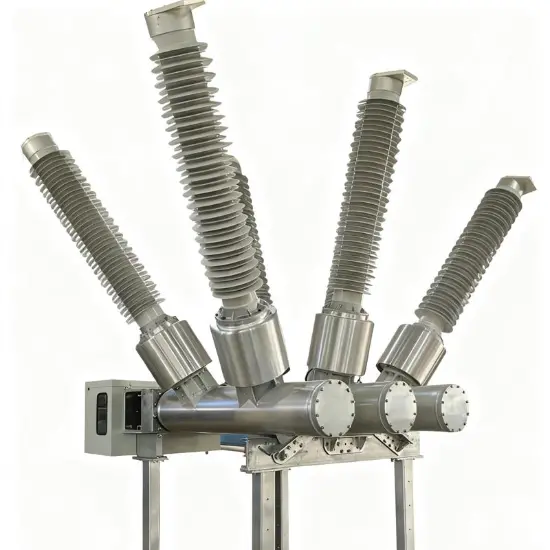
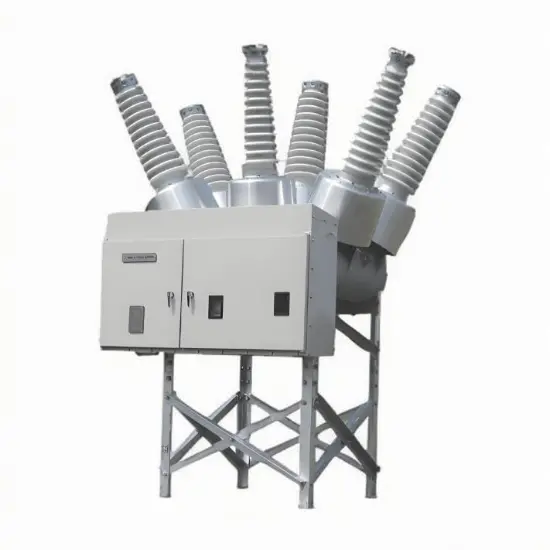
145kV/123kV Dead tank vacuum circuit breaker

  • 145kV/123kV Dead tank vacuum circuit breaker
  • 145kV/123kV Dead tank vacuum circuit breaker

Key attributes

Brand ROCKWILL
Model NO. 145kV/123kV Dead tank vacuum circuit breaker
Rated voltage 123/145kV
Rated normal current 3150A
Rated short circuit breaking current 31.5kA
Series RVD

Product descriptions from the supplier

Description

Product overview

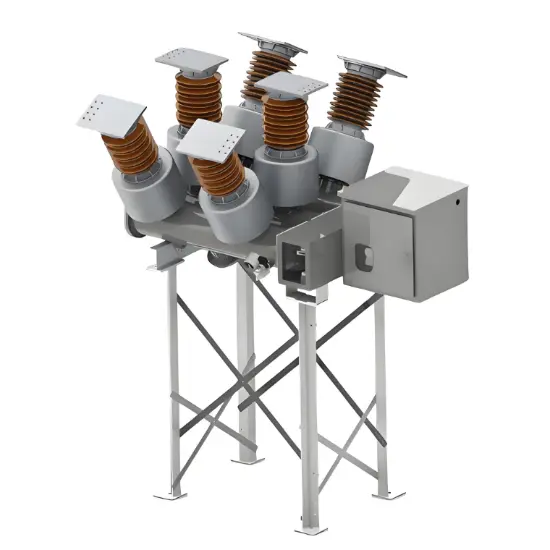
As a new generation of distribution core equipment specially designed for 145kV three-phase AC systems, RVD vacuum high-voltage tank circuit breaker takes "SF6 free environmental protection technology+high-performance vacuum arc extinguishing+high stability operating mechanism" as its core, breaking the limitations of traditional tank circuit breakers. It can adapt to harsh high-voltage distribution scenarios and create long-term value for users from the perspectives of environmental protection, operation and maintenance, and safety. It is currently the preferred solution for upgrading high-voltage distribution systems in substations, industrial plants, and other areas.

Main Features

  • No SF6 gas design, green and zero burden: Abandoning traditional SF6 greenhouse gas insulation media, there are no harmful gas emissions throughout the process, in line with the dual carbon policy and environmental protection requirements, and there is no need to bear the environmental compliance costs and rectification risks of SF6 equipment.

  • High performance vacuum arc extinguishing chamber, long-term protection equipment: equipped with high-quality vacuum arc extinguishing components, the arc extinguishing response speed is fast, which can quickly cut off the arc, greatly reduce the erosion loss of conductive contacts, extend the life of equipment core components from the root, and reduce the frequency of maintenance and replacement.

  • High reliability operating mechanism, zero opening and closing errors: Customized and stable operating mechanism with high action accuracy and fast response speed, ensuring that each opening and closing operation is completed quickly and effectively, avoiding operational failures from the source, and ensuring the continuous operation of the distribution system.

  • Can type sealed structure, suitable for complex working conditions: adopting a fully sealed tank design, it has excellent dustproof, moisture-proof, and anti pollution performance, and can operate stably in complex outdoor/indoor environments such as high temperature, high humidity, and high dust.

  • Low operation and maintenance costs, high long-term cost-effectiveness: low loss rate of core components, low risk of failure, significantly reducing manpower and capital investment in spare parts replacement and on-site maintenance, and reducing long-term usage costs by more than 30% compared to traditional equipment.

  • Wide adaptation current range, strong scene compatibility: supports multiple rated current selections of 2000/3150/4000A, and can flexibly match high-voltage distribution systems of different capacities without the need for additional customization and adjustment.

product structure

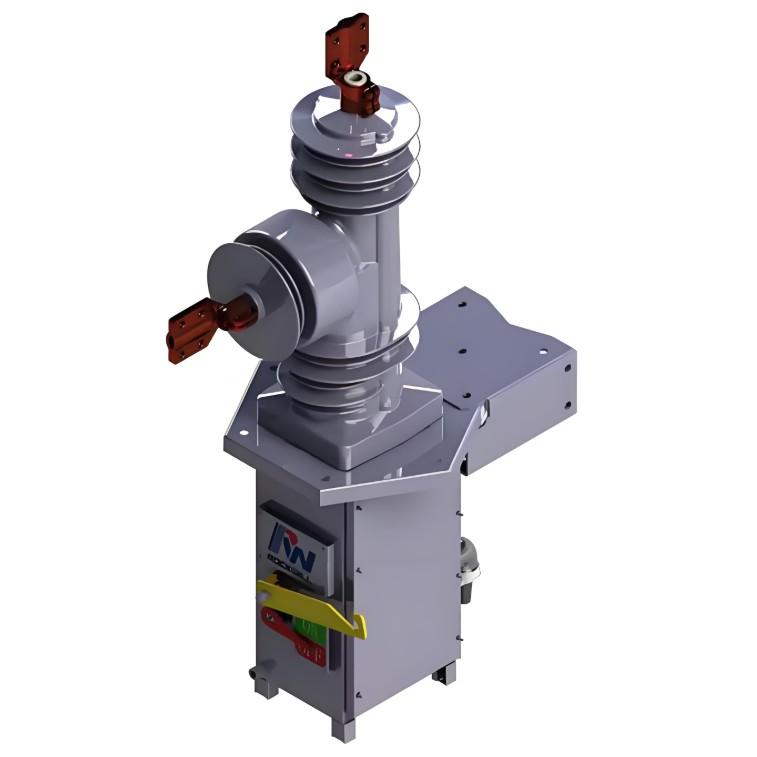
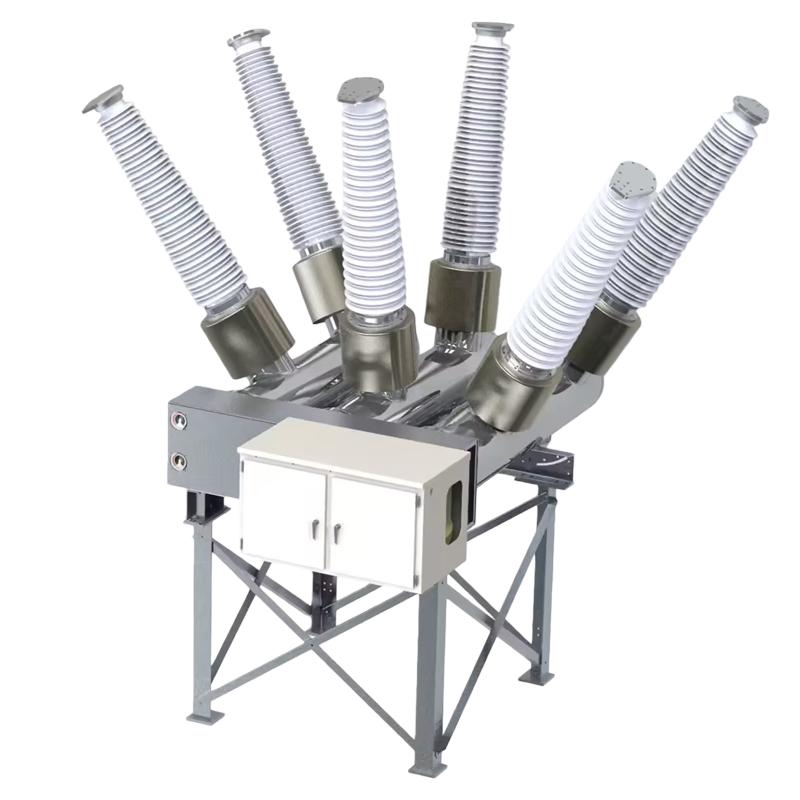
The RVD vacuum high-voltage tank circuit breaker mainly consists of the following core components:
Vacuum arc extinguishing unit: Equipped with a high-performance vacuum arc extinguishing chamber, integrated with conductive contacts and insulating supports, it is the core module for achieving rapid arc extinguishing;

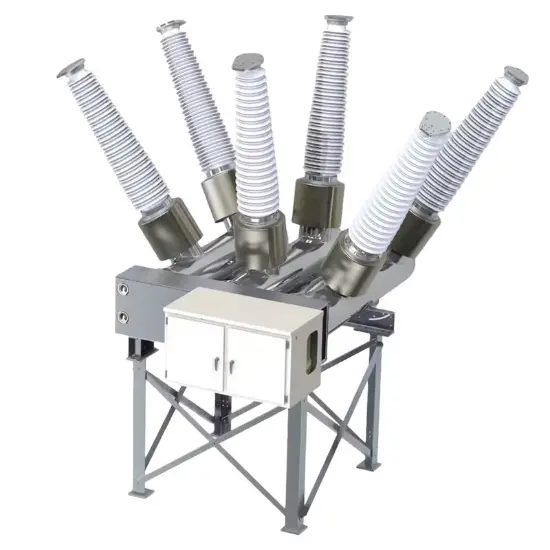
Sealed tank: It is sealed and packaged with high-strength metal material, with a vacuum insulated environment inside and an insulated sleeve (spiral structure in the picture) on the outside for external wiring;
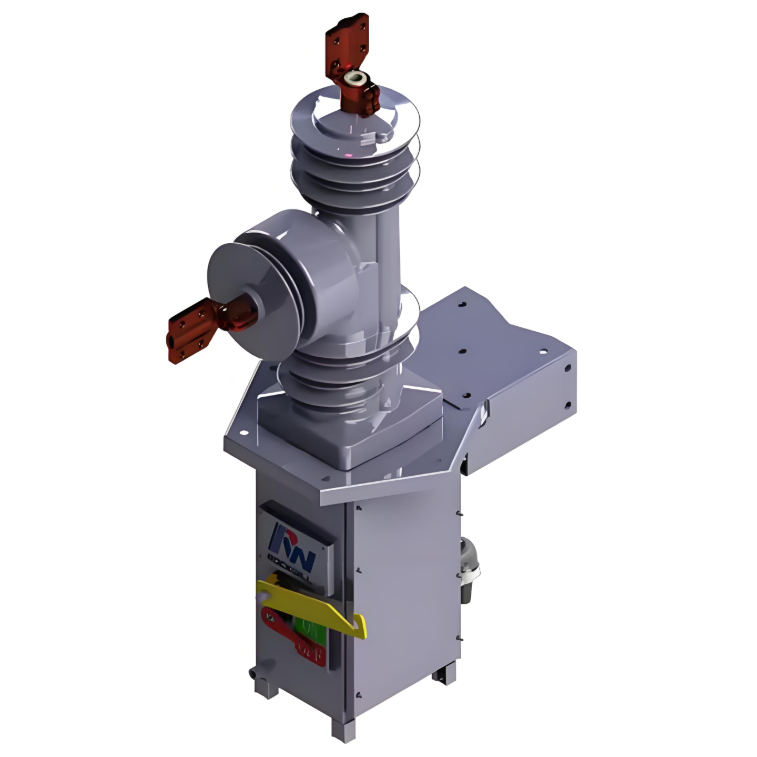
Operating mechanism box: integrated stable operating mechanism, control components, and status display device, installed below the tank, responsible for receiving instructions and driving opening and closing actions;

Supporting frame: Using steel structure brackets with high-strength load-bearing performance, the equipment can be stably fixed to the installation foundation, while reserving space for operation and maintenance.

Technical Parameters

Specifications

Unit

Value

Rated voltage

kV

145

Rated current

A

2000/3150/4000

Rated short circuit breaking current

kA

31.5/40

Rated frequency

HZ

50/60

Operational altitude

M

≤2000

Operating ambient temperature

-45~50

Operating pollution class

Class

Wind speed resistance

m/s

34

Aseismatic class

Class

0.5G(AG5)

Rated short-time withstand current (r.m.s)

kA

40

Rated short-circuit withstand time

kA

3

1min rated power frequency withstand voltage (r.m.s)

Phase to earth

kV

275

Across isolating distance

kV

275(+40)

Phase to phase

kV

275

Rated lightning impulse withstand voltage (peak)

Phase to earth

kV

650

Across isolating distance

kV

650(+100)

Phase to phase

kV

650

Vacuum degree of arc extinguishing chamber


≤1.33x10⁻3

circuit-breaker class

Class

E2-C2-M2

Mechanical life

Times

10K

Opening time

ms

25正负5

Closing time

ms

45±10

Closing-Opening time

ms

≤60

Disconnector class

Class

M2

bus-transfer current/voltage switching by disconnector

A/V

1600/100

Application scenarios

  • 110kV/145kV substation: As the core switchgear of the main distribution circuit, it replaces traditional SF6 circuit breakers and adapts to the environmental upgrading and stable operation needs of the substation;

  • High voltage distribution system in large industrial plants: used for high-voltage incoming lines/distribution circuits in large enterprises such as steel and chemical industries, ensuring power supply stability in high load and continuous production scenarios;

  • New energy power station (wind/photovoltaic): adapted to the distribution system of wind and photovoltaic power stations, in line with the environmental protection requirements of green power projects, while withstanding the fluctuating load of new energy power generation;

  • Municipal infrastructure power distribution: used for high-voltage power distribution in urban rail transit and large data centers, meeting high safety and low fault operation standards.
Documentation Resource Library
Restricted
RVD-145 Dead tank vacuum circuit breaker catalogue
Catalogue
English
Consulting
Consulting
Restricted
145kV(123kV)Dead tank vacuum circuit breaker drawing
Drawing
English
Consulting
Consulting
FAQ
Q: What are the characteristics of high-voltage vacuum circuit breakers ?
A:
  1. Special Arc-Extinguishing Chamber: Needs larger volume (tens of mm electrode spacing), high-purity copper electrodes, and stricter vacuum (10⁻⁶~10⁻⁸Pa) to meet enhanced insulation/arc tolerance at high voltage. Optimized electrode shapes suppress arc diffusion.
  2. Breaking Capacity & Lifespan: Handles 25kA~63kA short-circuits via multi-break or magnetic arc tech. Mechanical lifespan reaches 5,000~10,000 cycles, suiting frequent operations (e.g., new energy grids).
  3. Reinforced Insulation: Internal insulation relies on high vacuum; external uses large-diameter ceramic/composite shells (≥25mm/kV creepage for 252kV) with extra skirts for high altitudes (>3000m).
  4. Eco & O&M Advantages: No SF₆, uses recyclable materials. O&M only needs checking mechanisms/shells, cycle 1~2 years, cost 30%~50% lower than SF₆ breakers.
Q: What is the difference between vacuum circuit breaker and SF6 circuit breaker?
A:
  1. Their core difference is arc-extinguishing media: Vacuum breakers use high vacuum (10⁻⁴~10⁻⁶Pa) for insulation and arc extinction; SF₆ breakers rely on SF₆ gas, which adsorbs electrons well to quench arcs.
  2. In voltage adaptation: Vacuum breakers fit medium-low voltages (10kV, 35kV; some up to 110kV), rarely 220kV+. SF₆ breakers suit high-ultra high voltages (110kV~1000kV), mainstream for ultra-high voltage grids.
  3. For performance: Vacuum breakers extinguish arcs fast (<10ms), have 63kA~125kA breaking capacity, suit frequent use (e.g., power distribution) with long life (>10,000 cycles). SF₆ breakers excel in stable large/inductive current breaking but work less frequently, needing insulation recovery time post-extinction.
  4. Compared to SF6 gas circuit breakers, vacuum circuit breakers can achieve zero greenhouse gas emissions and are more environmentally friendly because the arc extinguishing device does not contain any gas
Know your supplier
Online store
On-time delivery rate
Response time
100.0%
≤4h
Company overview
Workplace: 108000m²m² Total staff: 700+ Highest Annual Export(usD): 150000000
Workplace: 108000m²m²
Total staff: 700+
Highest Annual Export(usD): 150000000
Services
Business Type: Design/Manufacture/Sales
Main Categories: High Voltage Electrical Apparatus/Electric transformer
Whole life care manager
Whole-life care management services for equipment procurement, use, maintenance, and after-sales, ensuring safe operation of electrical equipment, continuous control, and worry-free electricity consumption.
The equipment supplier has passed platform qualification certification and technical evaluation, ensuring compliance, professionalism, and reliability from the source.

Related Products

Related Knowledges

  • Impact of DC Bias in Transformers at Renewable Energy Stations Near UHVDC Grounding Electrodes
    Impact of DC Bias in Transformers at Renewable Energy Stations Near UHVDC Grounding ElectrodesWhen the grounding electrode of an Ultra-High-Voltage Direct Current (UHVDC) transmission system is located close to a renewable energy power station, the return current flowing through the earth can cause a rise in ground potential around the electrode area. This ground potential rise leads to a shift in the neutral-point potential of nearby power transformers, inducing DC bias (or DC offset) in their
    01/15/2026
  • HECI GCB for Generators – Fast SF6 Circuit Breaker
    1.Definition and Function1.1 Role of the Generator Circuit BreakerThe Generator Circuit Breaker (GCB) is a controllable disconnect point located between the generator and the step-up transformer, serving as an interface between the generator and the power grid. Its primary functions include isolating generator-side faults and enabling operational control during generator synchronization and grid connection. The operating principle of a GCB is not significantly different from that of a standard c
    01/06/2026
  • Distribution Equipment Transformer Testing, Inspection, and Maintenance
    1.Transformer Maintenance and Inspection Open the low-voltage (LV) circuit breaker of the transformer under maintenance, remove the control power fuse, and hang a “Do Not Close” warning sign on the switch handle. Open the high-voltage (HV) circuit breaker of the transformer under maintenance, close the grounding switch, fully discharge the transformer, lock the HV switchgear, and hang a “Do Not Close” warning sign on the switch handle. For dry-type transformer maintenance: first clean the porcel
    12/25/2025
  • How to Test Insulation Resistance of Distribution Transformers
    In practical work, insulation resistance of distribution transformers is generally measured twice: the insulation resistance between thehigh-voltage (HV) windingand thelow-voltage (LV) winding plus the transformer tank, and the insulation resistance between theLV windingand theHV winding plus the transformer tank.If both measurements yield acceptable values, it indicates that the insulation among the HV winding, LV winding, and transformer tank is qualified. If either measurement fails, pairwise
    12/25/2025
  • Design Principles for Pole-Mounted Distribution Transformers
    Design Principles for Pole-Mounted Distribution Transformers(1) Location and Layout PrinciplesPole-mounted transformer platforms should be located near the load center or close to critical loads, following the principle of “small capacity, multiple locations” to facilitate equipment replacement and maintenance. For residential power supply, three-phase transformers may be installed nearby based on current demand and future growth projections.(2) Capacity Selection for Three-Phase Pole-Mounted Tr
    12/25/2025
  • Transformer Noise Control Solutions for Different Installations
    1.Noise Mitigation for Ground-Level Independent Transformer RoomsMitigation Strategy:First, conduct a power-off inspection and maintenance of the transformer, including replacing aged insulating oil, checking and tightening all fasteners, and cleaning dust from the unit.Second, reinforce the transformer foundation or install vibration isolation devices—such as rubber pads or spring isolators—selected based on the severity of vibration.Finally, strengthen sound insulation at weak points of the ro
    12/25/2025

Related Solutions

  • Intelligent Operation Solution for 12kV Vacuum Circuit Breakers: Integrating Real-time Monitoring & Lifetime Optimization
    Ⅰ. Equipment Operation & MaintenanceIntelligent Monitoring System Integration​Multi-parameter Real-time Monitoring: Embedded sensors (temperature, displacement, Hall effect current sensors) track contact temperature rise, mechanical characteristics (opening/closing speed, overtravel), coil current, and partial discharge signals. Data undergoes preprocessing via edge computing prior to cloud upload.​Lifetime Prediction Model: Dynamically evaluates remaining lifespan using electrical wear data
    06/10/2025
  • SF6 Circuit Breaker Solutions for Outdoor Installation (Anti-Pollution & Seismic Resistance)
    I.Core Challenges in Outdoor Installation​In high-voltage transmission and distribution systems, SF6 circuit breakers are exposed to complex outdoor environments for extended periods, facing the following critical issues:​Pollution & Insulation Degradation​Dust, salt fog, and industrial pollutants in outdoor environments easily adhere to equipment surfaces. In coastal or industrial areas, pollution levels may reach ​Class IV, resulting in insufficient creepage distance and triggering ​flasho
    05/12/2025
  • 12kV Indoor Vacuum Circuit Breaker Southeast Asia Solution: Anti-Corrosion Compact Design
    12kV Indoor Vacuum Circuit Breaker Southeast Asia Solution: Anti-Corrosion Compact DesignⅠ. Executive Summary​Southeast Asia faces rapidly growing electricity demand alongside environmental challenges including high temperatures, humidity, salt spray corrosion, and grid instability. This solution recommends ​Solid Insulated Pole-Mounted Vacuum Circuit Breakers (VCB)​​ featuring ​high reliability, ​compact design, and ​smart monitoring. Tailored for tropical climates and industrial scenarios, it
    06/10/2025
Haven't found the right supplier yet? Let matching verified suppliers find you. Get Quotation Now
Haven't found the right supplier yet? Let matching verified suppliers find you.
Get Quotation Now
Send inquiry
Download
Get the IEE Business Application
Use the IEE-Business app to find equipment, obtain solutions, connect with experts, and participate in industry collaboration anytime, anywhere—fully supporting the development of your power projects and business.