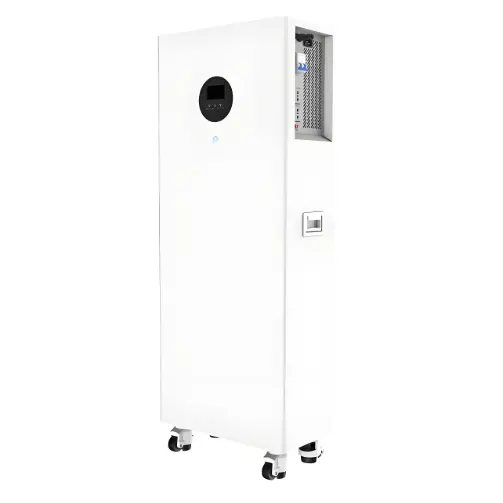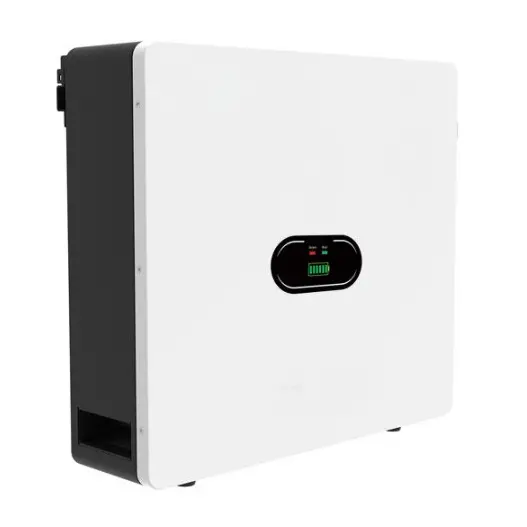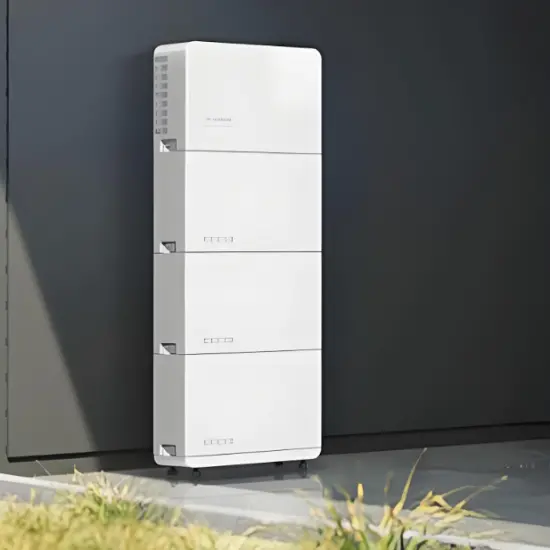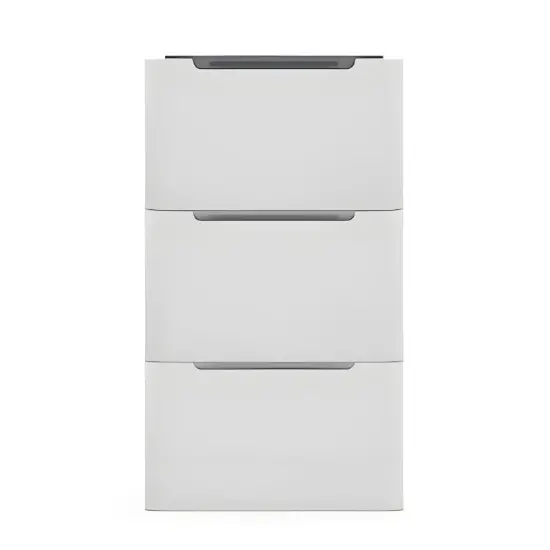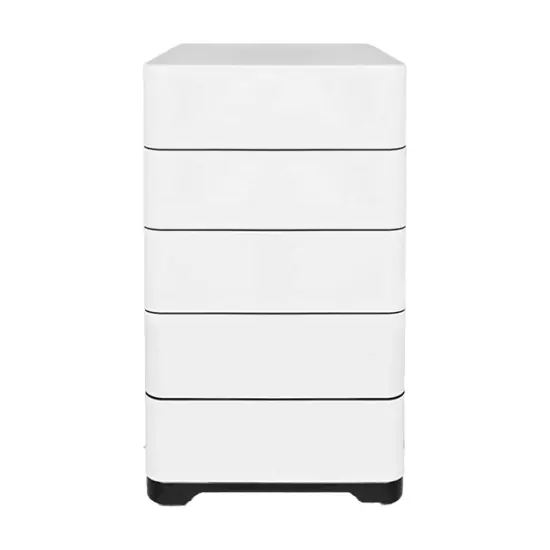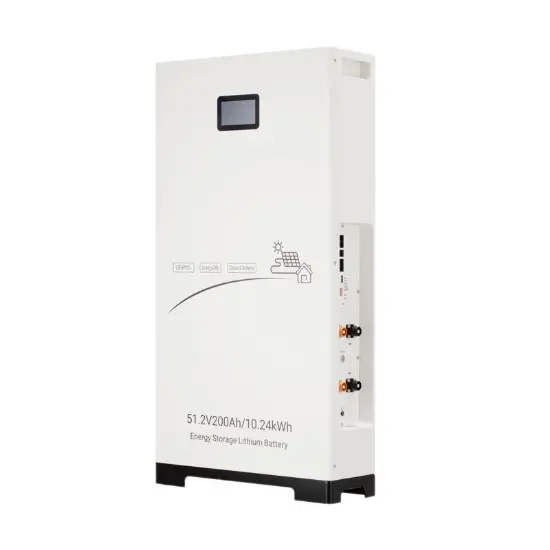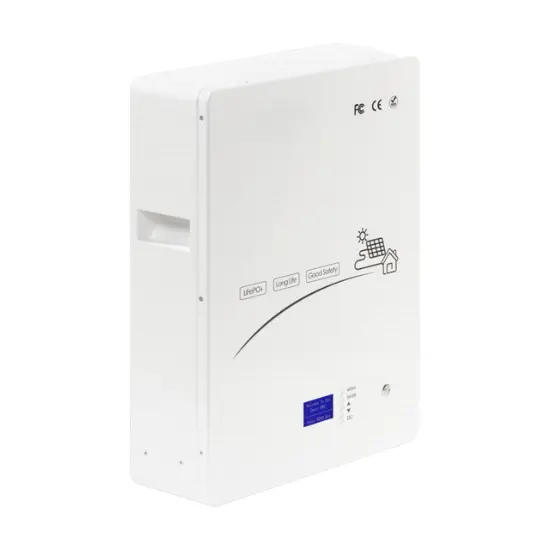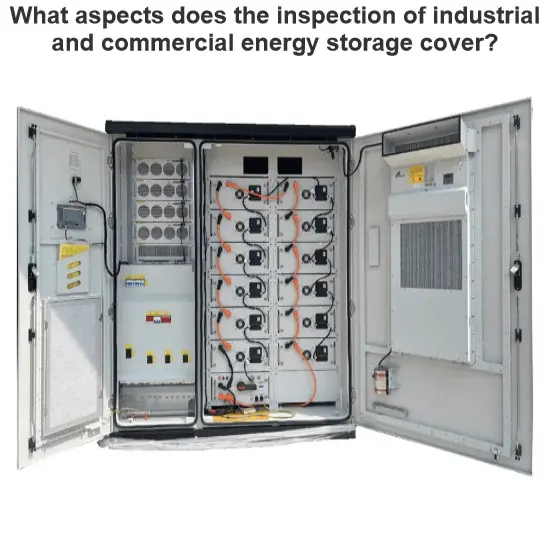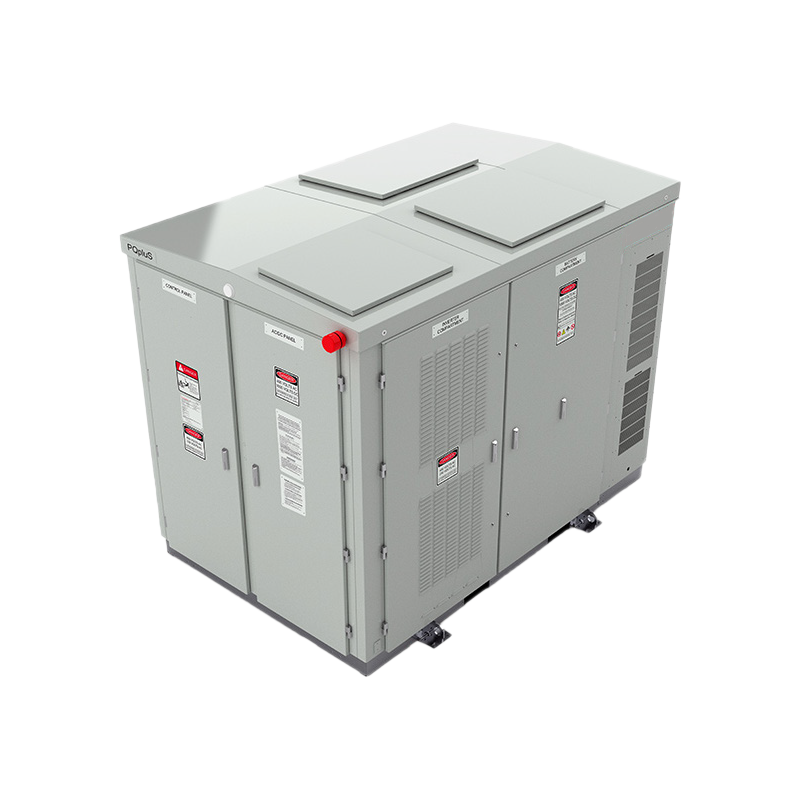
| Brand | Rw Energy |
| Model NO. | 300/600Kwh modular battery energy storage system unit |
| Rated voltage | 400V |
| Rated Output Rating | 360KW |
| Series | PQpluS Series |
Overview
Our grid is transforming. A commercial and industrial (C&I) customer can also be an electricity producer as well as a consumer (i.e., a prosumer). Therefore, a battery energy storage system is becoming integral to the changing relationship between utilities and their customers. PQpluS enables its users to reduce energy costs and makes the network more resilient while improving the power system's efficiency, reliability, and availability. It helps the electricity consumer by actively managing the timing and profile of their energy usage through the following functions:
Peak shaving
The energy consumption pattern in the C&I segment follows a cycle of peak and low load conditions. Peak load periods coinciding for several consumers can lead to a shortage of power supply. To avoid such situation, utilities often charge premium prices for energy consumed during peak hours, resulting in high energy costs to the consumer. PQpluS is used for peak demand shaving, resulting in a uniform load distribution around the complete load cycle and saving penalties for the consumer.
Easier use of self-generation and time-of-use tariffs
PQpluS units offer multiple ways for consumers to reduce their electricity bills without requiring changes in consumption habits. In regions with dynamic time-of-use pricing, they can charge their batteries either from their rooftop solar PV system or from the grid during off-peak hours and then discharge as needed during peak hours, thereby obtaining the cost savings of demand shifting without actually changing the times when they use energy.
Facilitating connection of renewable resources
Limited predictability is a critical drawback of green energy sources such as wind and solar plants. Due to its unpredictable behaviour, a significant renewable energy source imposes an additional burden on the network operators. The PQpluS units can minimize the impact of renewables on the network by offering a “buffer” that can absorb excess power and release it when the output from these sources falls short.
Integration of fast EV chargers
PQpluS units accompany fast EV chargers in remote places along highways where grid operators cannot offer enough power connection for ultra-fast or fast charging service. With PQpluS, you can avoid or postpone grid investment while still using high-power chargers.
Technology parameters

The system is equipped with an EMS (Energy Management System), which can monitor the output of photovoltaic/wind power in real time. By buffering fluctuations through battery charging and discharging, it can improve the utilization rate of green electricity and reduce the impact on the main grid.
Yes, the PQpluS series has intelligent energy management capabilities, supports grid connected peak shaving and valley filling, off grid emergency power supply, and can dynamically switch control strategies to adapt to different grid conditions.
The rated output power of the system is 360kW, suitable for scenarios such as peak valley arbitrage in industry and commerce, smooth integration of renewable energy, matching of fast EV charging piles, and backup power supply for microgrids.
Yes, it is. All hybrid inverters in the series are equipped with multi battery type management algorithms. Users can choose lead-acid, gel, or lithium batteries (including custom BMS) in the settings, and the system automatically matches the charging curve to extend battery life.
The ordinary series has simplified functions and no 4U rack design, making the price more competitive; The PLUS series has strengthened its parallel capability, communication interface, and customization strategy, making it suitable for users with higher scalability requirements.
Q15: Do all hybrid inverters support lead-acid/gel batteries?