• Product
  • Suppliers
  • Manufacturers
  • Solutions
  • Free tools
  • Knowledges
  • Experts
  • Communities
Search


344KWh Liquid Cooling ESS Solution

  • 344KWh Liquid Cooling ESS Solution

Key attributes

Brand POWERTECH
Model NO. 344KWh Liquid Cooling ESS Solution
Rated capacity 344KWh
Max discharge power 0.5P
Series Industrial&Commercial energy storage

Product descriptions from the supplier

Description

Description

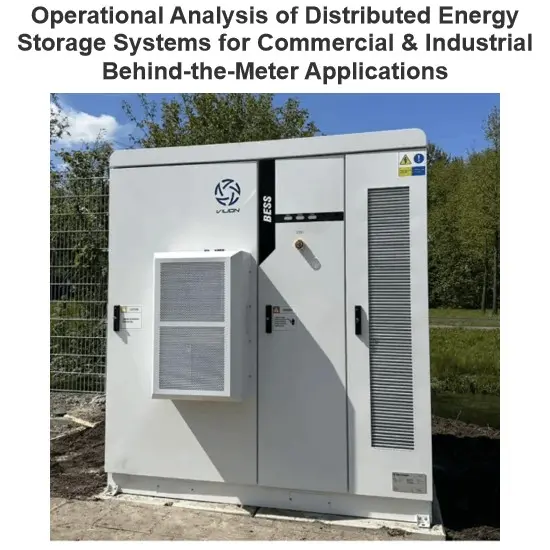
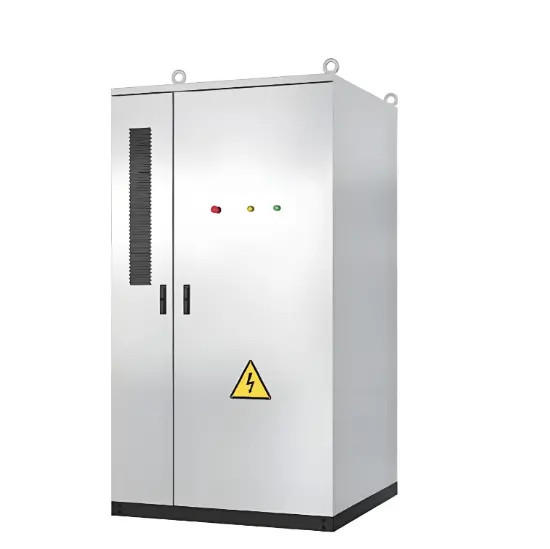
The liquid cooling battery cabinet integrates battery modules with a full configuration capacity of 344kWh. It is compatible with 1000V and 1500V DC battery systems, and can be widely used in various application scenarios such as generation and transmission grid, distribution grid, new energy plants.

Features

  • Full configuration capacity with 8 modules with 344kWh.

  • Liquid-cooled battery modular design, easy to system expansion.

  • Intelligent monitoring and linkage actions ensure battery system safety.

  • Integrated heating system for thermal safety and enhanced performance and reliability.

  • The turnkey system is design to enhance higher efficiency and prolong battery life.

  • Highly integrated ESS for easy transportation and flexible O&M.

  • Multiple operation modes are available, the software can be customized and upgraded.

  • Cloud-based monitoring and operation platform supports the visit of Mysql database and multiple devices.

Application

  • Discharge at time of peak demand to reduce expensive demand charge.

  • Daytime load maximizes PV power, and excess power is stored for use at night.

  • Powers a facility when the grid goes down, or application in areas without electricity.

  • Carry out arbitrage by using peak and valley electricity prices in different time periods.

  • Smooth out the intermittency of renewables by storing and dispatching when needed.

  • Supply power at a distributed location to reduce investment in the construction of the grid.

Battery date
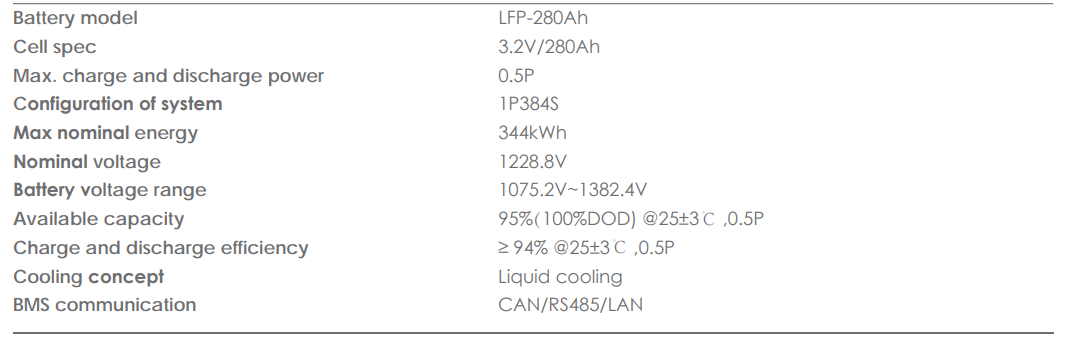
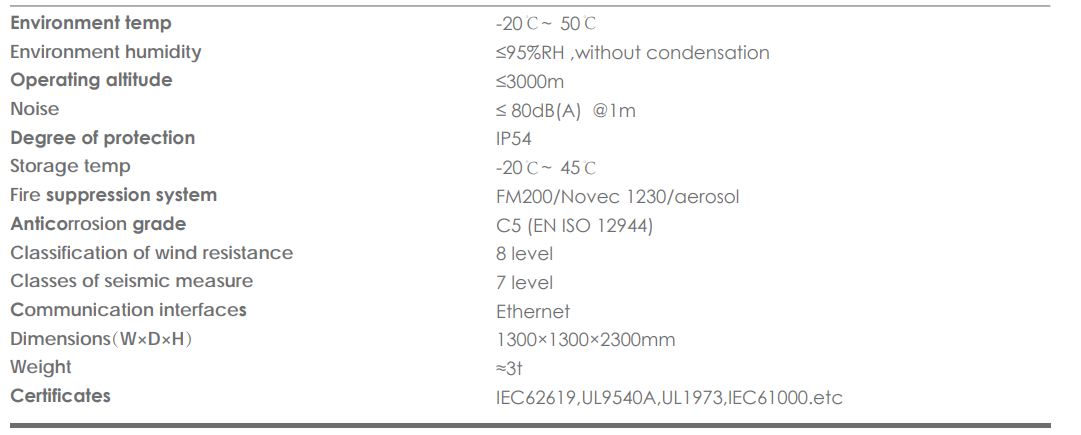
image.png

General date

image.png

How liquid-cooled energy storage solutions work?

The core of the liquid-cooled energy storage solution lies in its efficient thermal management system. This system absorbs and transfers the heat generated during the battery's operation through a liquid (usually a water-based coolant or a special coolant), thereby keeping the battery within the optimal operating temperature range and improving the battery's performance and lifespan. The following is the specific working process:

  • Energy storage:When the power supply is sufficient, the energy storage system converts alternating current (AC) into direct current (DC) through an inverter and stores it in the battery module.Battery modules usually adopt lithium-ion battery technologies such as lithium iron phosphate (LiFePO4), ternary material (NMC), lithium cobalt oxide (LCO), etc.

  • Temperature monitoring:The battery management system (BMS) monitors the temperature of each battery cell and detects temperature changes through sensors.The BMS will send temperature data to the control system so that the cooling system can be started in time.

  • Liquid cooling:The cooling system pumps the coolant to the cooling plates or cooling channels around the battery module through pipes.
    The coolant directly contacts the battery surface or cooling plate and absorbs the heat generated during the battery's operation.

  • Heat transfer:The coolant after absorbing heat is pumped back to the cooling device (such as a heat exchanger, radiator, etc.) through pipes.
    In the cooling device, the heat is transferred to the external environment. After the coolant is cooled again, it returns to the battery module to continue circulating.

  • Energy release:When power demand increases or supply is insufficient, the stored direct current is converted into alternating current through an inverter and transmitted to the power grid or directly used by users.
    During this process, the liquid cooling system continues to monitor and manage the battery's temperature to ensure that the battery is in the optimal working state.
Know your supplier
Online store
On-time delivery rate
Response time
100.0%
≤4h
Company overview
Workplace: 580000m² Total staff: Highest Annual Export(usD): 120000000
Workplace: 580000m²
Total staff:
Highest Annual Export(usD): 120000000
Services
Business Type: Design/Manufacture/Sales
Main Categories: High Voltage Electrical Apparatus
Whole life care manager
Whole-life care management services for equipment procurement, use, maintenance, and after-sales, ensuring safe operation of electrical equipment, continuous control, and worry-free electricity consumption.
The equipment supplier has passed platform qualification certification and technical evaluation, ensuring compliance, professionalism, and reliability from the source.

Related Products

Related Knowledges

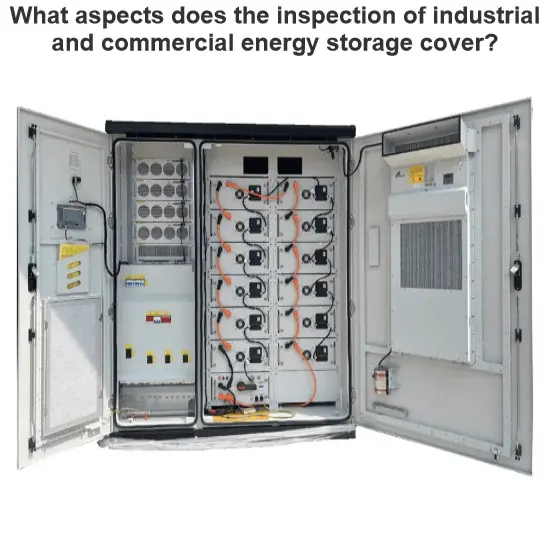
  • What aspects does the inspection of industrial and commercial energy storage cover?
    As a frontline tester, I work with industrial and commercial energy storage systems daily. I know firsthand how critical their stable operation is for energy efficiency and business profitability. While installed capacity grows rapidly, equipment failures increasingly threaten ROI—over 57% of energy storage plants reported unplanned outages in 2023, with 80% stemming from equipment defects, system anomalies, or poor integration. Below, I share practical testing insights for the five co
    06/21/2025
  • Commercial and Industrial Energy Storage Systems
    I. Core Value Proposition✅ Energy Cost Optimization: Reduce electricity expenses by 30%-50% through peak-valley arbitrage (EU peak/off-peak spreads up to &euro;0.25/kWh) ✅ Power Reliability: Seamless backup power switching (<20ms response) for critical operations ✅ Renewables Integration: Increase solar self-consumption to >90%, minimizing curtailment losses ✅ Carbon Reduction: Achieve ~500 tons CO₂e annual reduction (1MW/2MWh system reference) II. Key Application Scenarios & Solut
    06/21/2025
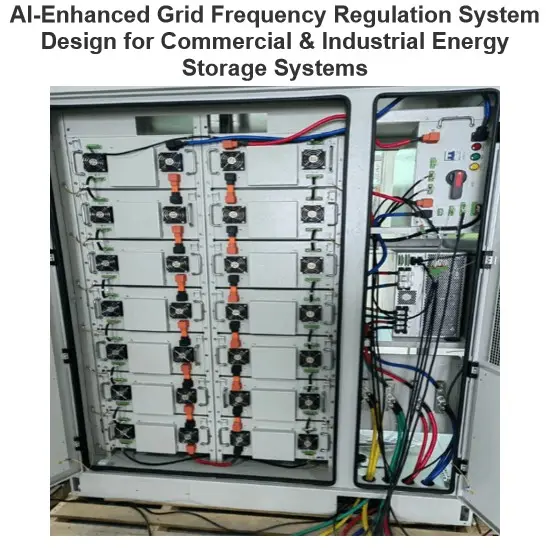
  • AI-Enhanced Grid Frequency Regulation System Design for Commercial & Industrial Energy Storage Systems
    As renewable energy penetration rises in modern power systems and load variability grows increasingly complex, instability issues&mdash;especially frequency fluctuations&mdash;have become more prominent. Intelligent commercial and industrial energy storage systems address this challenge by leveraging AI to boost grid - frequency regulation efficiency and accuracy. They enable real - time frequency monitoring, millisecond - level charge/discharge responses, intelligent scheduling with con
    06/21/2025
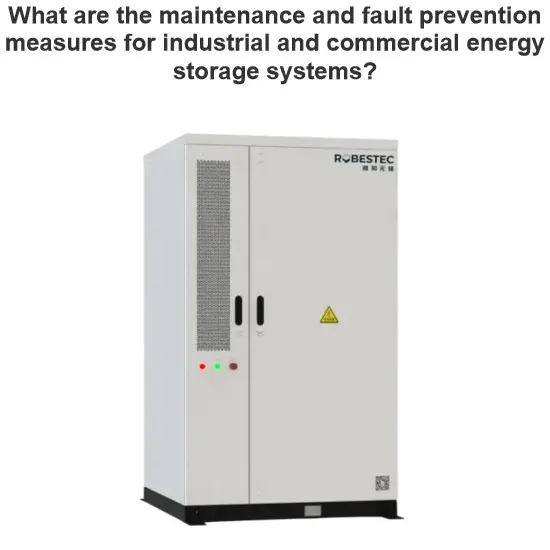
  • What are the maintenance and fault prevention measures for industrial and commercial energy storage systems?
    As a front-line practitioner in commercial and industrial energy storage, I understand deeply that scientific prevention and maintenance strategies are crucial for long-term system stability. Here&rsquo;s my professional summary based on years of field experience:1. Core Strategies for Fault Prevention and MaintenanceBattery SystemIn daily operations, I've found precise parameter control essential. Maintain battery temperature at 25&plusmn;2℃, triggering alarms when deviating by &plu
    06/21/2025
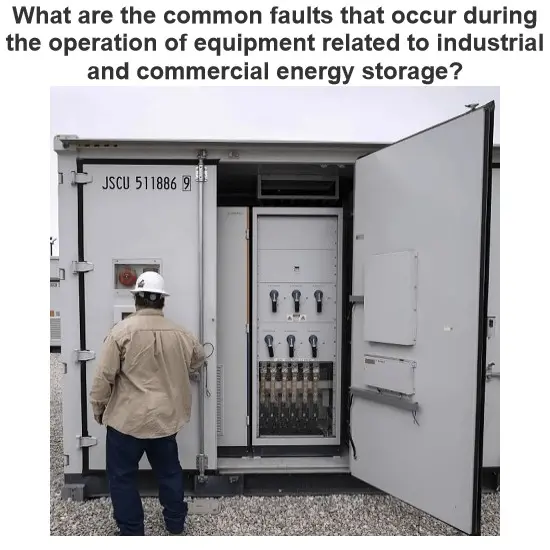
  • What are the common faults that occur during the operation of equipment related to industrial and commercial energy storage?
    As an important part of the new power system, the stable operation of commercial and industrial energy storage systems is directly related to energy utilization efficiency and enterprise economic benefits. With the rapid growth of the installed capacity of commercial and industrial energy storage, equipment failure rate has become a key factor affecting investment returns. According to data from the China Electricity Council, in 2023, the proportion of unplanned outages of energy storage power s
    06/21/2025
  • Operational Analysis of Distributed Energy Storage Systems for Commercial & Industrial Behind-the-Meter Applications
    Energy storage technology, a focal point in new energy, stores electricity for grid peak/valley supply adjustment. Distributed energy storage in commercial/industrial contexts cuts costs via peak - shaving, boosts grid stability, and mitigates peak - valley imbalances. This paper explores its application for commercial/industrial users from scenarios and feasibility.1 Application Scenario Analysis1.1 Demand AnalysisElectricity costs dominate commercial/industrial energy expenses, especially for
    06/21/2025
Haven't found the right supplier yet? Let matching verified suppliers find you. Get Quotation Now
Haven't found the right supplier yet? Let matching verified suppliers find you.
Get Quotation Now
Send inquiry
+86
Click to upload file
Download
Get the IEE Business Application
Use the IEE-Business app to find equipment, obtain solutions, connect with experts, and participate in industry collaboration anytime, anywhere—fully supporting the development of your power projects and business.