DNT-R1J series Semiconductor equipment protection fuse links


Key attributes
| Brand | Switchgear parts |
| Model NO. | DNT-R1J series Semiconductor equipment protection fuse links |
| Rated voltage | AC 1300V |
| Rated normal current | 350-800A |
| Breaking capacity | 100kA |
| Series | DNT-R1J |
Product descriptions from the supplier
How do environmental factors like temperature or humidity affect the performance of semiconductor fuses?
Environmental factors, particularly temperature and humidity, can significantly affect the performance and reliability of semiconductor fuses. Here’s a closer look at how these factors impact fuse operation:
1.Temperature Effects:
Temperature Coefficient: Most fuse elements have a positive temperature coefficient, meaning their resistance increases with temperature. As the temperature rises, the fuse element heats up, and its resistance increases, which can lead to a reduction in current carrying capacity. In extreme cases, this might cause the fuse to open (blow) under normal current conditions.
Derating: Fuses are often derated for high ambient temperatures. Manufacturers usually provide derating curves that show how the current rating of the fuse should be reduced based on the ambient temperature. Operating a fuse at a higher temperature than it is rated for can significantly shorten its life and increase the likelihood of premature failure.
Thermal Endurance: Long-term exposure to high temperatures can degrade the materials used in the fuse, potentially leading to failures. This degradation can be accelerated by factors such as thermal cycling, where the fuse is repeatedly heated and cooled.
2.Humidity Effects:
Corrosion: High humidity can lead to corrosion of the metal parts in the fuse, particularly the end caps and the fuse element itself. Corrosion can increase the resistance of the fuse element and potentially lead to overheating and failure.
Moisture Ingress: If moisture penetrates the fuse body, it can cause short-circuiting, especially in fuses that are not hermetically sealed. This can be a significant issue in environments where condensation is likely to occur.
Deterioration of Insulation: Humidity can also deteriorate any insulation material in or around the fuse, potentially leading to electrical leakage or short-circuits.
3.Combined Temperature and Humidity Effects:
Accelerated Aging: The combination of high temperature and high humidity can accelerate the aging process of fuses. Materials used in the fuse may deteriorate faster under these conditions, reducing the fuse’s lifespan.
Thermal Shock: Rapid changes in temperature, especially when combined with humidity, can cause thermal shock. This can lead to physical stress and potential damage to the fuse structure.
To mitigate these environmental impacts:
Select Appropriate Fuses: Choose fuses that are designed to operate in the specific environmental conditions they will be exposed to. This might include fuses with higher temperature ratings or those designed to resist corrosion and moisture ingress.
Environmental Protection: Implement environmental control measures, such as maintaining a controlled temperature and humidity level, using enclosures to protect fuses from direct exposure to harsh conditions, or employing conformal coatings to provide additional protection against moisture and contaminants.
Regular Maintenance and Inspection: Regularly inspect fuses for signs of corrosion, damage, or other deterioration due to environmental factors. Replace any fuses that show signs of damage or that have been in service beyond their recommended lifespan.
By understanding and managing the impact of environmental factors like temperature and humidity, the reliability and performance of semiconductor fuses in various applications can be maintained effectively.
Basic parameters of fuse links
| Product model | size | Rated voltage V | Rated current A | Rated breaking capacity kA |
| DNT1-R1J-160 | 1 | AC 1300 | 160 | 100 |
| DNT1-R1J-200 | 200 | |||
| DNT1-R1J-250 | 250 | |||
| DNT1-R1J-315 | 315 | |||
| DNT1-R1J-350 | 350 | |||
| DNT1-R1J-400 | 400 | |||
| DNT1-R1J-450 | 450 | |||
| DNT1-R1J-500 | 500 | |||
| DNT1-R1J-550 | 550 | |||
| DNT2-R1J-350 | 2 | 350 | ||
| DNT2-R1J-400 | 400 | |||
| DNT2-R1J-450 | 450 | |||
| DNT2-R1J-500 | 500 | |||
| DNT2-R1J-550 | 550 | |||
| DNT2-R1J-630 | 630 | |||
| DNT2-R1J-710 | 710 | |||
| DNT2-R1J-800 | 800 | |||
| DNT3-R1J-630 | 3 | 630 | ||
| DNT3-R1J-710 | 710 | |||
| DNT3-R1J-800 | 800 | |||
| DNT3-R1J-900 | 900 | |||
| DNT3-R1J-1000 | 1000 | |||
| DNT3-R1J-1100 | 1100 | |||
| DNT3-R1J-1250 | 1250 |

Related Products
-
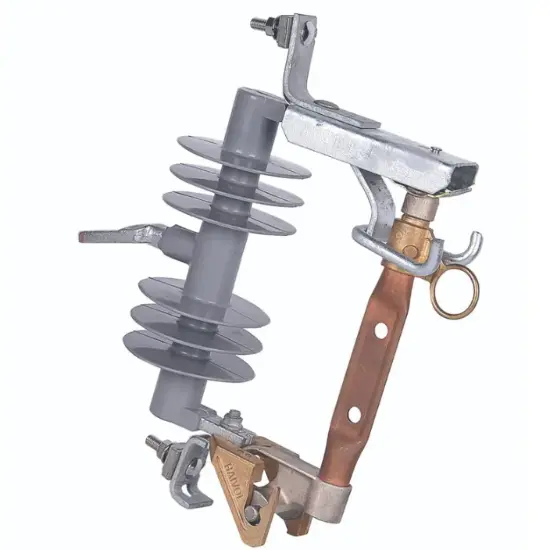
Isolation Type Drop Out Fuse
-
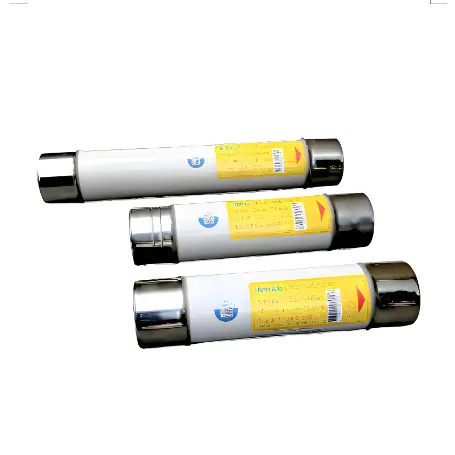
High voltage current limiting fuse for oil immersed transformer protection
-
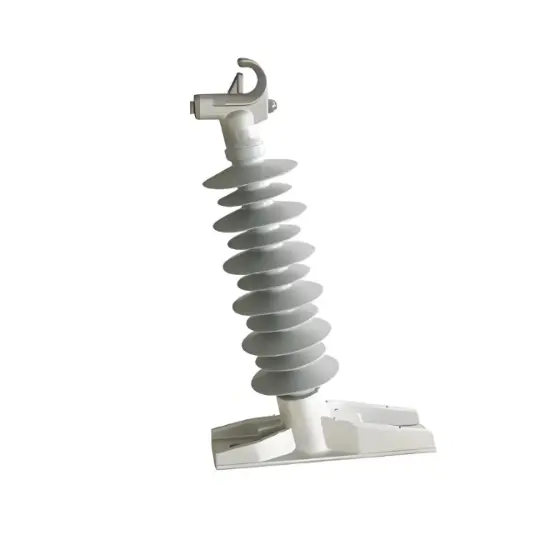
12kV 24kV 35kV 72.5kV Composite Post Insulator
-
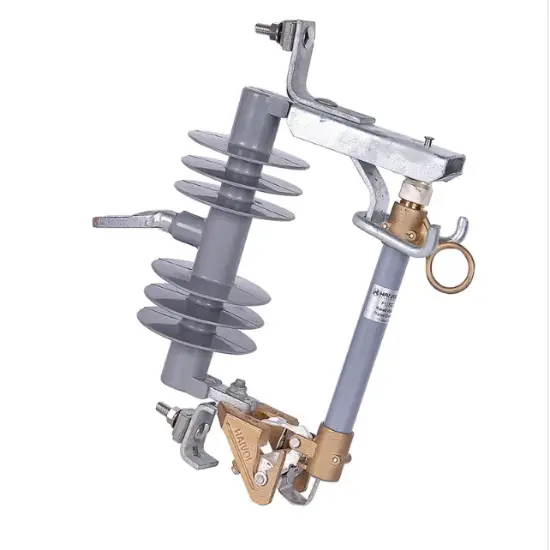
Silicone Rubber Standard Drop Out Fuse
-
The high-voltage disconnect switch uses rod-shaped porcelain insulators
-
IEC series rod-shaped porcelain insulators
-
Pin Type Insulator 11kV 22kV 33kV
Related Knowledges
-
 Main Transformer Accidents and Light Gas Operation Issues1. Accident Record (March 19, 2019)At 16:13 on March 19, 2019, the monitoring background reported a light gas action of No. 3 main transformer. In accordance with the Code for Operation of Power Transformers (DL/T572-2010), operation and maintenance (O&M) personnel inspected the on-site condition of No. 3 main transformer.On-site confirmation: The WBH non-electrical protection panel of No. 3 main transformer reported a Phase B light gas action of the transformer body, and the reset was ineff02/05/2026
 -
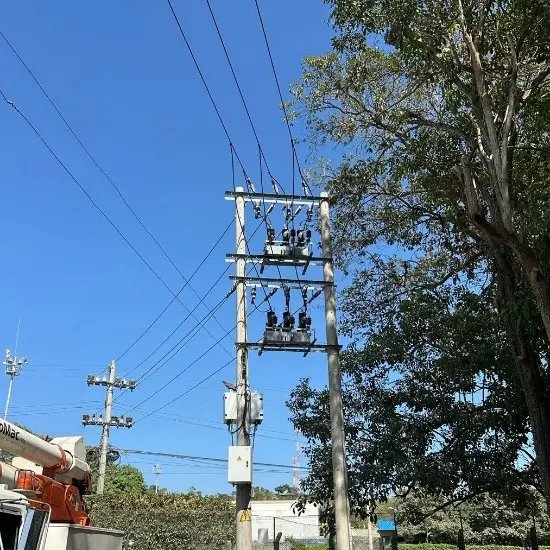 Faults and Handling of Single-phase Grounding in 10kV Distribution LinesCharacteristics and Detection Devices for Single-Phase Ground Faults1. Characteristics of Single-Phase Ground FaultsCentral Alarm Signals:The warning bell rings, and the indicator lamp labeled “Ground Fault on [X] kV Bus Section [Y]” illuminates. In systems with a Petersen coil (arc suppression coil) grounding the neutral point, the “Petersen Coil Operated” indicator also lights up.Insulation Monitoring Voltmeter Indications:The voltage of the faulted phase decreases (in01/30/2026
 -
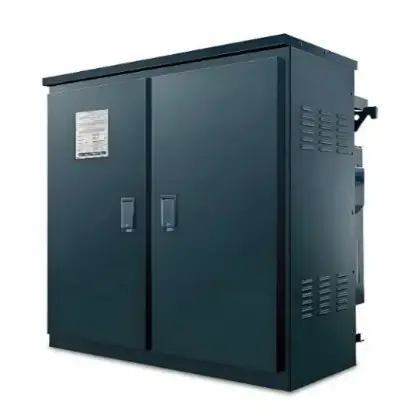 Neutral point grounding operation mode for 110kV~220kV power grid transformersThe arrangement of neutral point grounding operation modes for 110kV~220kV power grid transformers shall meet the insulation withstand requirements of transformer neutral points, and shall also strive to keep the zero-sequence impedance of substations basically unchanged, while ensuring that the zero-sequence comprehensive impedance at any short-circuit point in the system does not exceed three times the positive-sequence comprehensive impedance.For 220kV and 110kV transformers in new constructi01/29/2026
 -
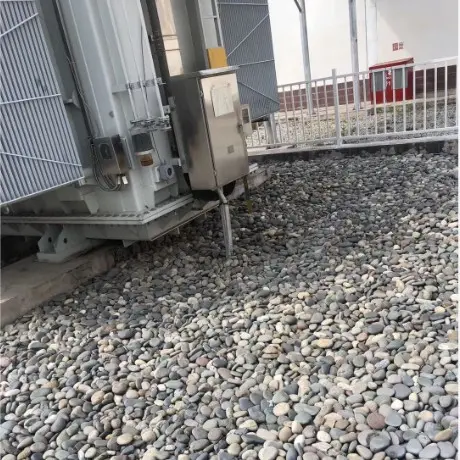 Why Do Substations Use Stones, Gravel, Pebbles, and Crushed Rock?Why Do Substations Use Stones, Gravel, Pebbles, and Crushed Rock?In substations, equipment such as power and distribution transformers, transmission lines, voltage transformers, current transformers, and disconnect switches all require grounding. Beyond grounding, we will now explore in depth why gravel and crushed stone are commonly used in substations. Though they appear ordinary, these stones play a critical safety and functional role.In substation grounding design—especially when multiple gr01/29/2026
 -
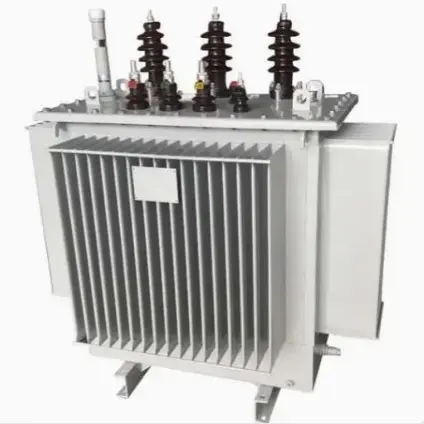 Why Must a Transformer Core Be Grounded at Only One Point? Isn't Multi-Point Grounding More Reliable?Why Does the Transformer Core Need to Be Grounded?During operation, the transformer core, along with the metal structures, parts, and components that fix the core and windings, are all situated in a strong electric field. Under the influence of this electric field, they acquire a relatively high potential with respect to ground. If the core is not grounded, a potential difference will exist between the core and the grounded clamping structures and tank, which may lead to intermittent discharge.I01/29/2026
 -
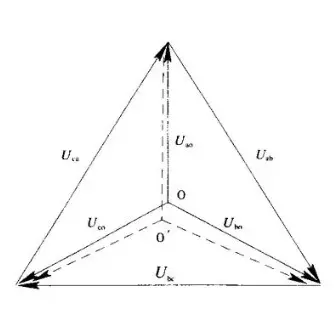 Understanding Transformer Neutral GroundingI. What is a Neutral Point?In transformers and generators, the neutral point is a specific point in the winding where the absolute voltage between this point and each external terminal is equal. In the diagram below, pointOrepresents the neutral point.II. Why Does the Neutral Point Need Grounding?The electrical connection method between the neutral point and earth in a three-phase AC power system is called theneutral grounding method. This grounding method directly affects:The safety, reliabilit01/29/2026






