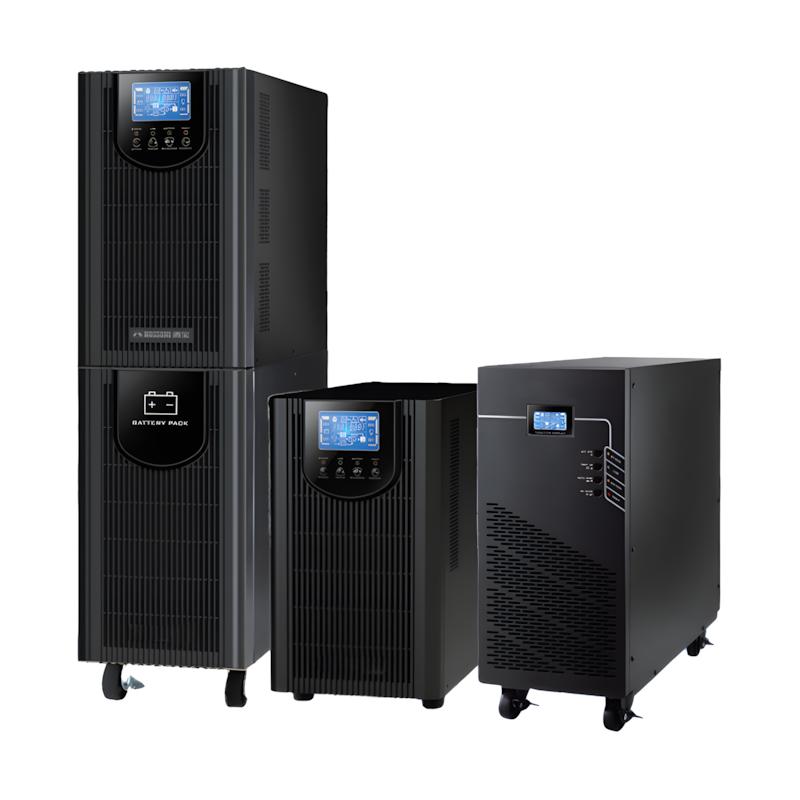
| Brand | MV Switchgear Accessories |
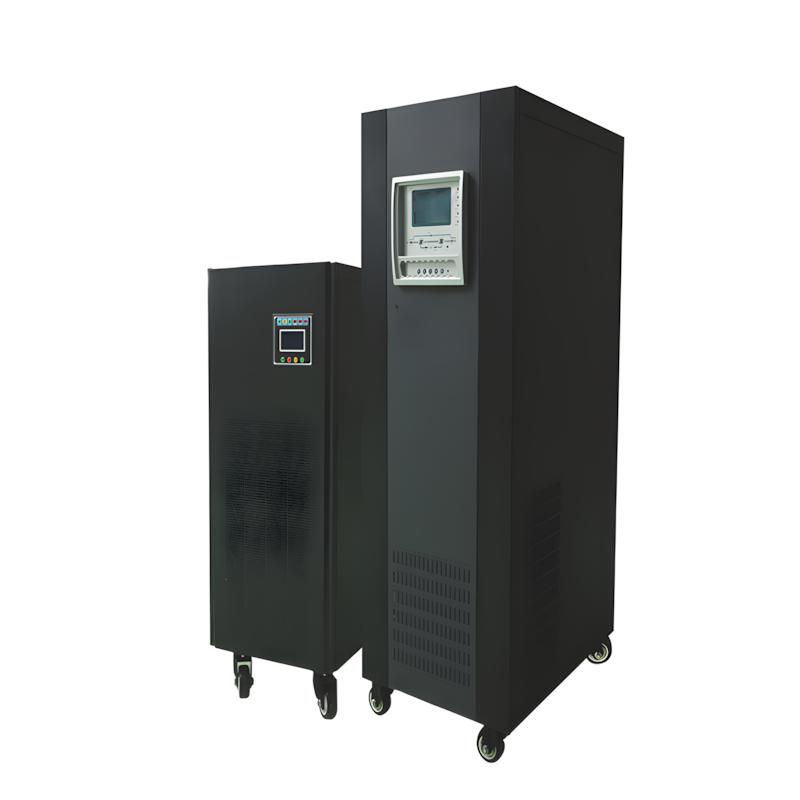
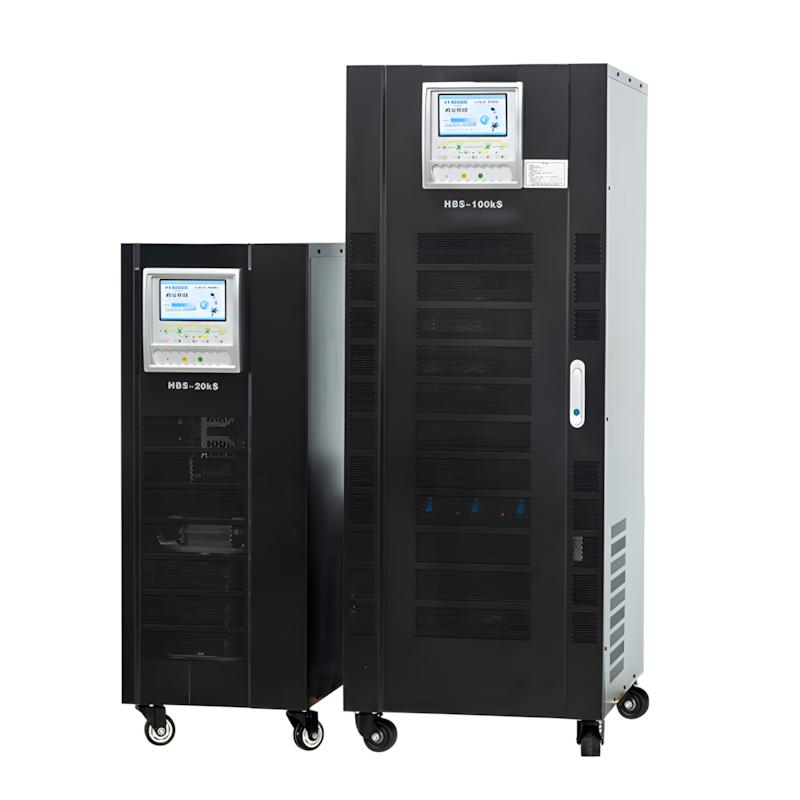
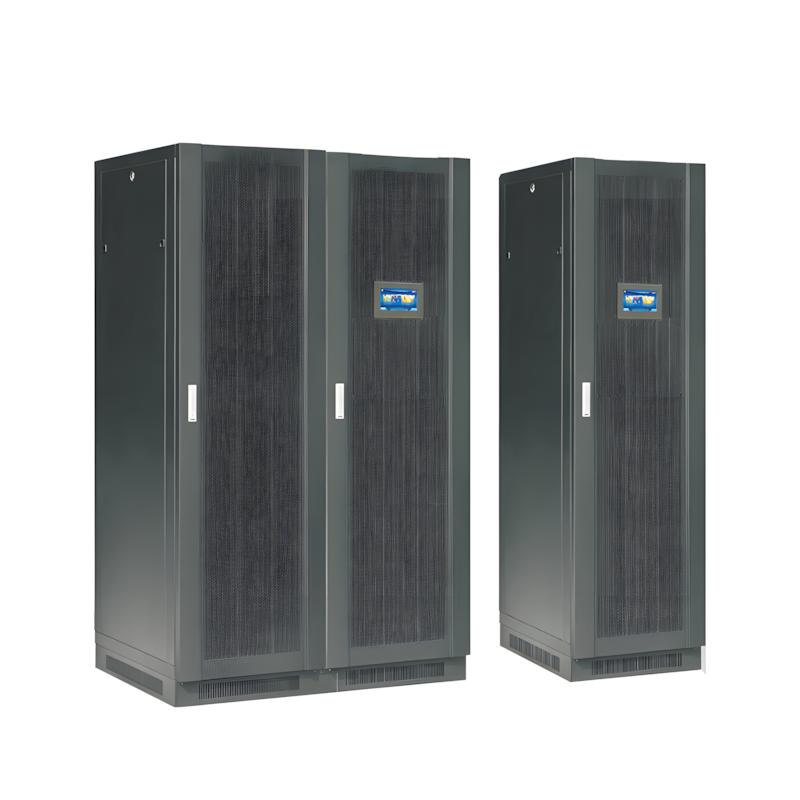
| Model NO. | High frequency on-ine UPS power supply (3Phase Input1Phase output) |
| Rated frequency | 50/60Hz |
| Output Voltage | 208-240VAC |
| Capacity | 20kVA |
| Series | HBGD |
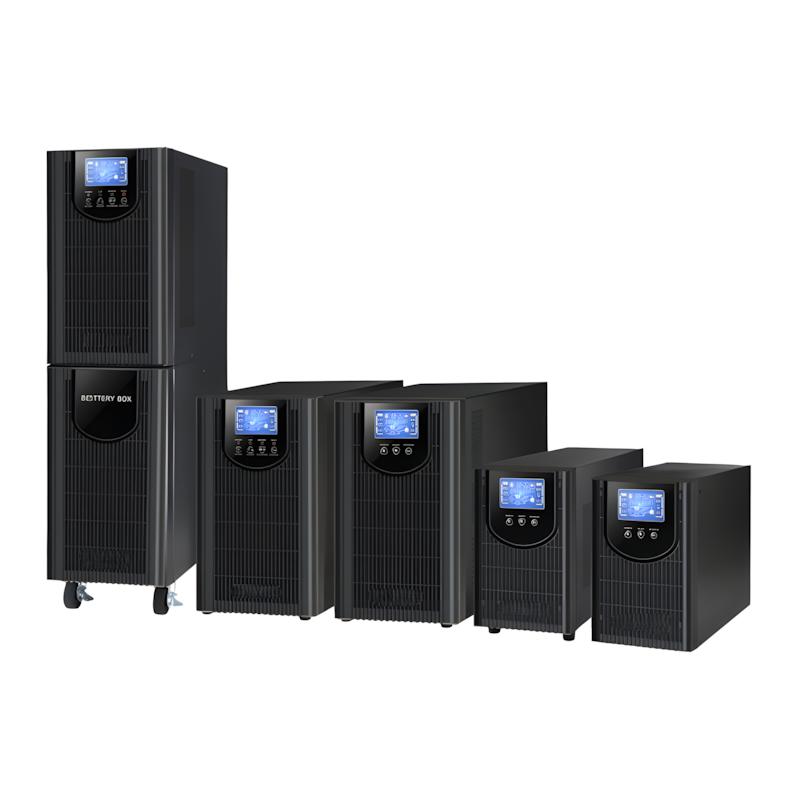
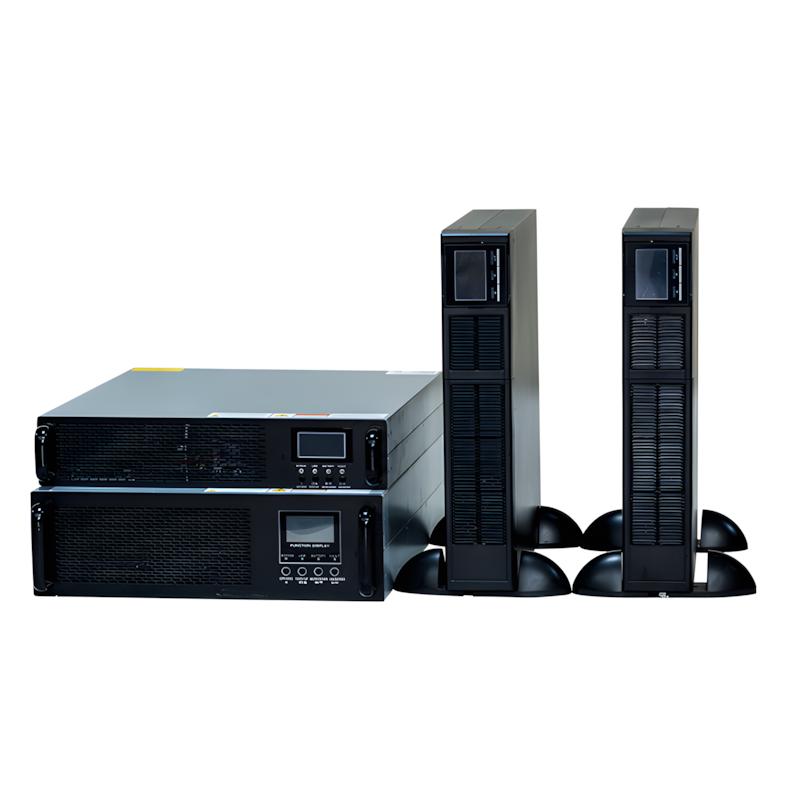
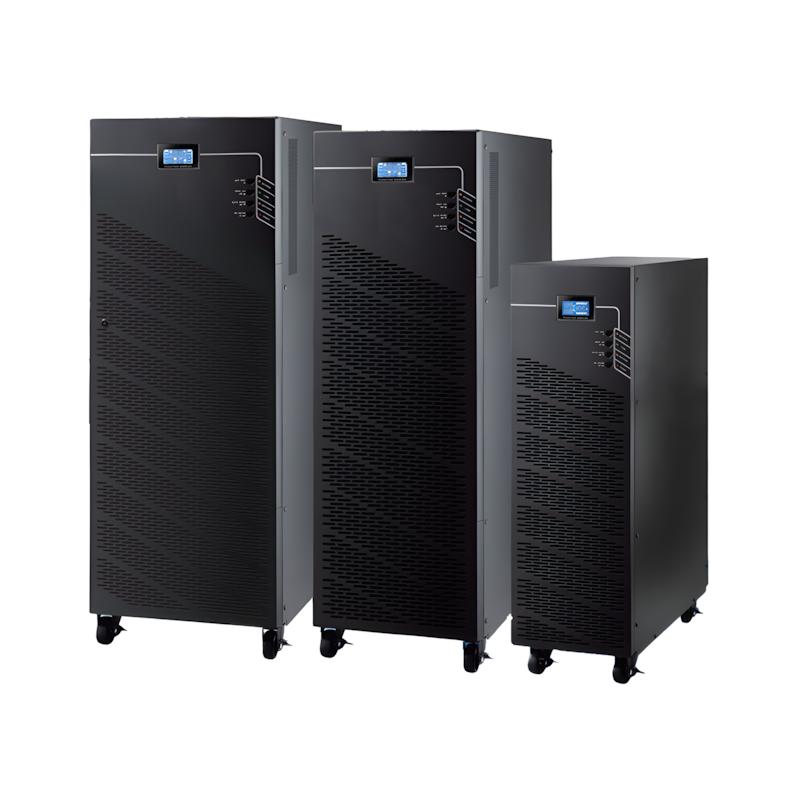
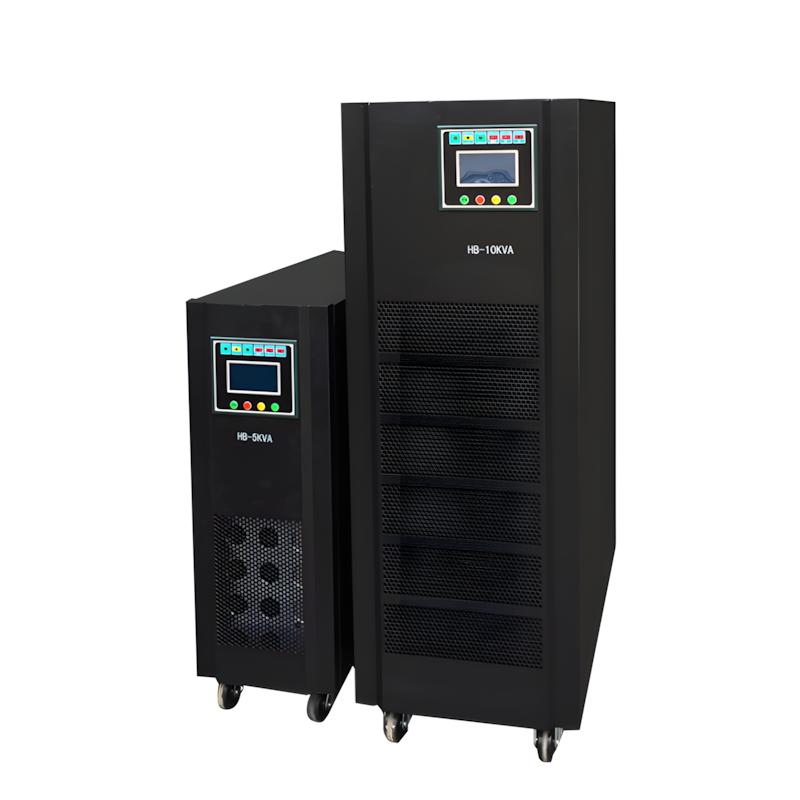
HBGD series UPs capacity includes 10KVA/15KVA/20KVA three input single phase out, this series of products adopt doubletransform pure in type architecture, is the most effective solution to all power supply problems architecture design, For the powergrid: power outage, mains voltage is too high or too low, voltage transient or damping shock, high voltage pulse, voltage fuctuationsurge voltage, harmonic distortion, cluter interference, frequency fluctuation and other conditions can provide a good solution. toprovide safe and reliable power supply for the user load.
Technical characteristics
True online double conversionUltra wide mains input range (190V-520V)The output frequency can be optionally adjusted to 50Hz/60HZEmergency Power Shutdown (EPO)Compatible engine power supplyEmergency Power Shutdown (EPO)SNMP+USB+RS-232 multiple monitoringOff-line Maintenance Design (Optional)
Application field
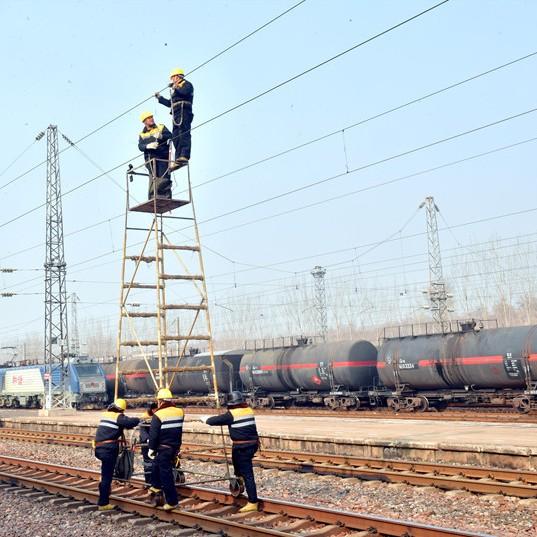
Suitable for small and medium-sized data centers, enterprise server rooms, control centers in manufacturing, transportation, energy and other fields, as well as precision production and testing equipment for industrial fields such as SMT surface mount machines, as key equipment for power supply and protection.
Technical Parameter
|
Model Specification |
HBGD-10KH(S) |
HBGD-15KH(S) |
HBGD-20KS |
|
Phase |
Three-Phase Single-Phase Output |
||
|
Capacity |
10000 VA / 8000 W |
15000 VA / 12000 W |
20000 VA / 16000 W |
|
Input |
|
|
|
|
Rated Voltage |
3 × 400 VAC (3Ph+N) |
||
|
Voltage Range |
305-520 VAC (3-phase @ 100% load); 190-520 VAC (3-phase @ 50% load) |
||
|
Frequency Range |
46~54 Hz or 56~64Hz |
||
|
Output |
|
|
|
|
Output Voltage |
208/220/230/240VAC |
||
|
Voltage Range (Battery Mode) |
± 1% |
||
|
Frequency Range (Synchronous Correction Range) |
46~54 Hz ◎ 50 Hz / 56~64 Hz ◎ 60 Hz |
||
|
Frequency Range (Battery Mode) |
50 Hz ± 0.1 Hz or 60 Hz ± 0.1 Hz |
||
|
Surge Ratio (Max) |
3:1 |
||
|
Harmonic Distortion |
≤ 3% THD (Linear Load); ≤ 5% THD (Non-linear Load) |
||
|
Conversion Time |
|
|
|
|
AC to DC |
0 ms |
||
|
Inverter to Bypass |
0 ms |
||
|
Waveform (Battery Mode) |
Pure Sine Wave |
||
|
Efficiency |
|
|
|
|
Mains Mode |
91% |
||
|
Battery Mode |
91% |
||
|
Battery |
|
|
|
|
Standard Unit |
|
|
|
|
Battery Model |
12 V / 9 AH |
||
|
Quantity (Cells) |
16 |
20 × 2 (18~20 Adjustable) |
- |
|
Standard Charging Time |
- |
9 hours to 90% |
- |
|
Maximum Charging Current |
1A |
2A |
- |
|
Charging Voltage |
218.4 VDC ± 1% |
273 VDC ± 1% |
- |
|
Long-term Unit |
|
|
|
|
Battery Model |
- |
Depends on Power Supply Time |
- |
|
Quantity (Cells) |
16 |
20 |
- |
|
Maximum Charging Current |
- |
Preset 2A, 1A/2A/4A/6A Adjustable |
- |
|
Charging Voltage |
218.4 VDC ± 1% |
273 VDC ± 1% (Based on 20 Batteries) |
- |
|
Display Description |
|
|
|
|
LCD or LED |
System Status, Load Size, Battery Capacity, Mains Mode, Battery Mode, Bypass Mode, Input/Output Voltage, Fault Indication |
||
|
Alarm Sound |
|
|
|
|
Battery Mode |
Beeps every 4 seconds |
||
|
Low Battery |
Beeps every 1 second |
||
|
Overload |
Beeps every 0.5 second |
||
|
Error |
Continuous Beep |
||
|
Physical Performance |
|
|
|
|
Standard Unit |
|
|
|
|
Dimensions (W×D×H)mm |
190×442×688 |
190×442×688 |
190×575×688 |
|
Net Weight (kgs) |
65 |
78 |
80.1 |
|
Long-term Unit |
|
|
|
|
Dimensions (W×D×H)mm |
190×442×318 |
190×575×318 |
190×575×318 |
|
Net Weight (kgs) |
15 |
19 |
19 |
|
Operating Environment |
|
|
|
|
Temperature and Humidity |
- |
Relative Humidity 0-90% and Temperature 0-40°C (No Condensation) |
- |
|
Noise |
Less than 58dB@1m |
Less than 60dB@1m |
- |
|
Control Management |
|
|
|
|
Smart RS-232 / USB |
Supports Windows® 2000/2003/XP/Vista/2008, Windows® 7/8, Linux, Unix, and MAC |
||
|
Optional SNMP |
Power Management Supports SNMP Management and Network Management |
||
*When the UPS is set to constant voltage and frequency mode, the output power will be reduced by 40%. When the output voltage of the UPS is set to 208VAC, the output power will be reduced by 10%.
**If the machine is installed at an altitude exceeding 1000 meters, the output power will decrease by 1% for every 100 meters of elevation.
*S represents long-lasting models
*If there are any changes to the current product specifications, no further notice will be given
It has unique advantages in power adaptation, space saving and energy efficiency: ① Precise power conversion: Directly converts 3-phase grid power to stable 1-phase output, eliminating the need for additional phase converters and reducing equipment investment; ② Compact high-frequency design: 30% smaller in volume and 40% lighter in weight than low-frequency UPS, rack-mount models fit 19-inch standard cabinets, saving installation space; ③ High energy efficiency: ECO mode efficiency up to 96%, reducing long-term electricity costs by 15%–20% compared with traditional UPS; ④ Comprehensive protection: Equipped with overload, overvoltage, undervoltage, short circuit, phase loss and overheating protection, fully safeguarding single-phase precision equipment; ⑤ Intelligent management: Supports SNMP/Modbus/4G remote monitoring, real-time status tracking, fault alarm and remote on/off functions, suitable for unattended scenarios.
It is a dedicated uninterruptible power supply that converts 3-phase grid input into stable 1-phase output, designed to protect single-phase precision equipment in 3-phase power environments. Core functions: ① Provide seamless power supply during grid outages (switching time <2ms) to avoid data loss or equipment downtime; ② Stabilize voltage, filter harmonics and suppress surges to isolate grid anomalies; ③ Optimize power utilization for single-phase loads in industrial and commercial scenarios. Working principle: Adopt high-frequency double-conversion technology—3-phase AC input is rectified into DC power, then inverted into pure sine wave 1-phase AC output; when mains power fails, the battery instantly supplies DC power to the inverter, ensuring zero interruption for single-phase loads. Its high-frequency design (20kHz–50kHz) makes it smaller and more energy-efficient than low-frequency UPS.