• Product
  • Suppliers
  • Manufacturers
  • Solutions
  • Free tools
  • Knowledges
  • Experts
  • Communities
Search


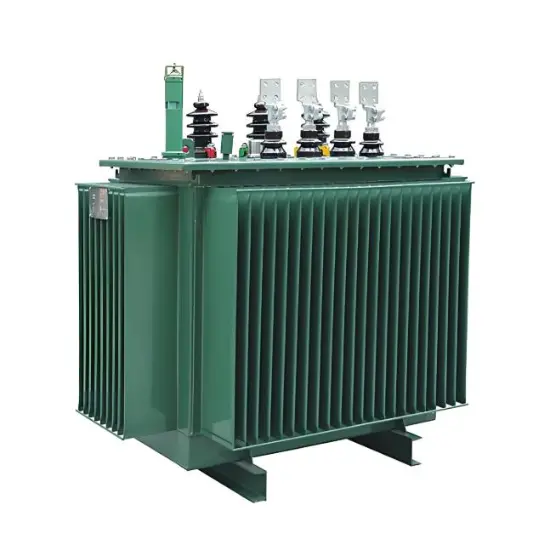
Rectifier Transformer (distribution transformer)

  • Rectifier Transformer (distribution transformer)

Key attributes

Brand Vziman
Model NO. Rectifier Transformer (distribution transformer)
Rated capacity 4000KVA
Voltage grade 10KV
Series Rectifier Transformer

Product descriptions from the supplier

Description

Product overview:

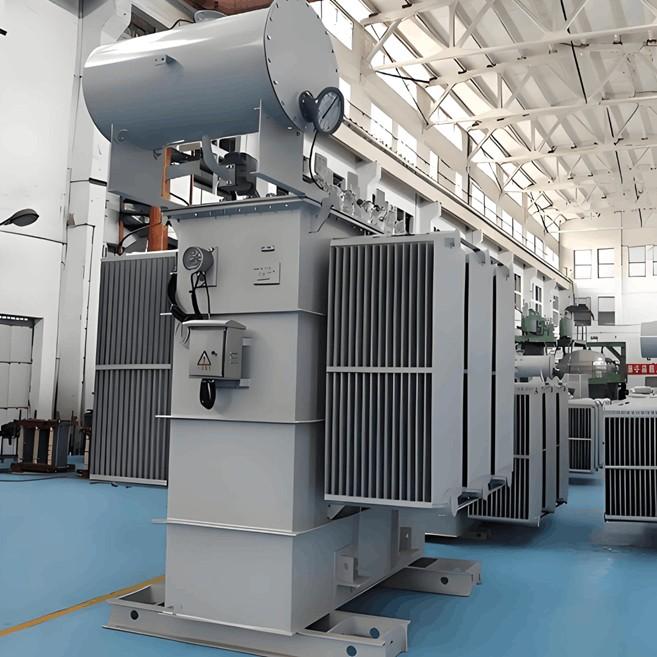
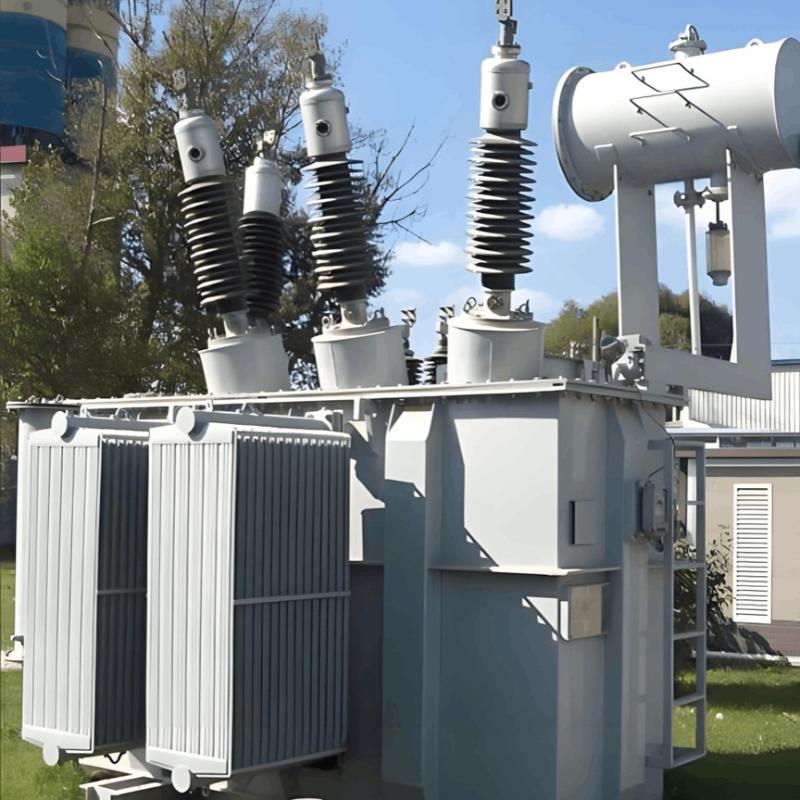
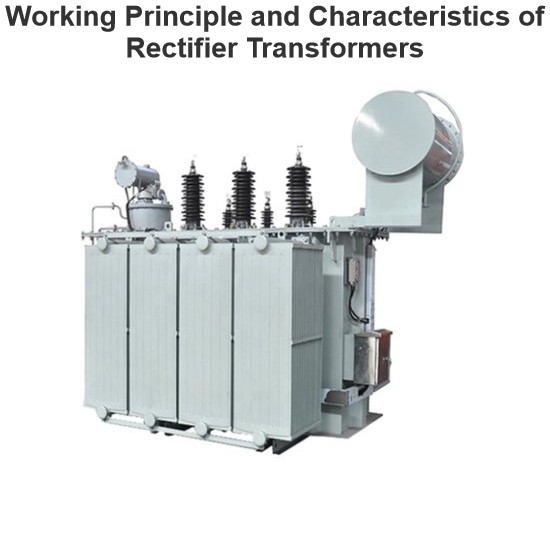
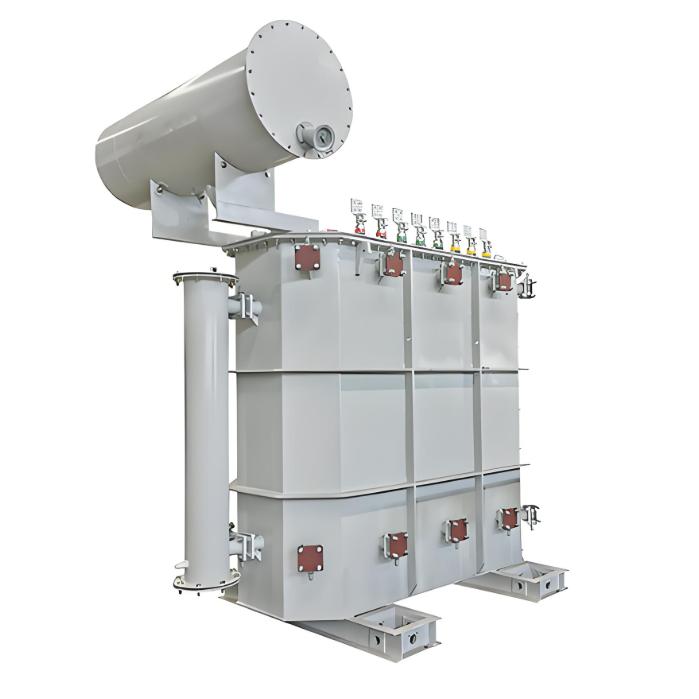
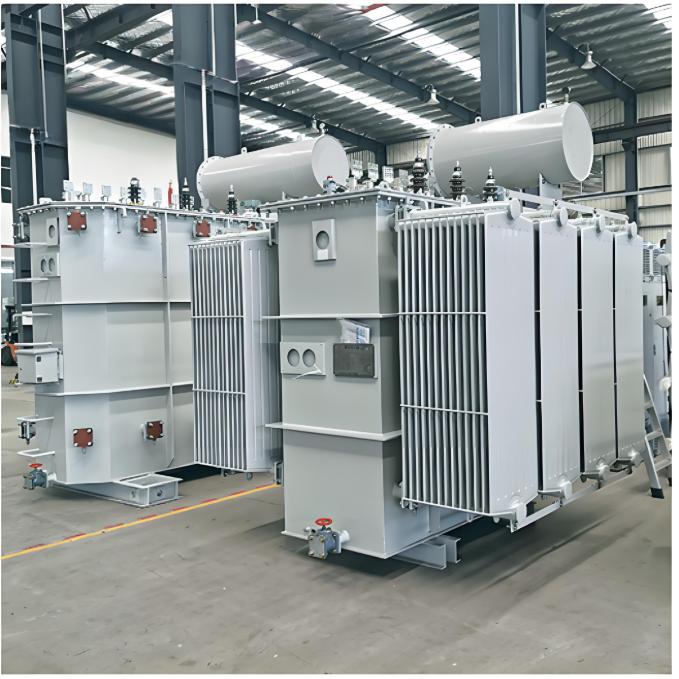
  •  A rectifier transformer is a transformer that converts the power supply of the grid into the power supply required by the rectifier equipment.

  •  Rectifier transformers (intermediate frequency furnace transformers) are widely used in.

  • Chemical industry (most used industry) electrolysis of non-ferrous metal compounds to produce aluminum, magnesium, copper and other metals; Electrolytic salt to make chlor-alkali. Electrolysis of water to produce hydrogen and oxygen.

  • Dc power supply for traction is used for DC power grid of mine or urban electric locomotive.

  • Dc power supply for transmission.

  •  Mainly used to supply power to DC motors in electric transmission, such as armature and excitation of rolling mill.

  • Other applications, including DC power supply for electroplating or electroprocessing, DC power supply for excitation, DC power supply for charging and electrostatic dust removal, etc.

  •  High reliability of operation verification in more than 50 countries and regions around the world.

  • Products are mainly exported to Iran, Kazakhstan, Uzbekistan and other countries and regions.

  •  Implementation standard: IEC 60076 series.

Leading technology:

  •  Large capacity, low loss, low noise (< 65dB) more energy saving.

  •  Excellent performance index, actual measurement is better than GB and IEC standards.

  • The product has strong over-load capacity and over-voltage capacity, and can run safely for a long time under rated load.

  • Strong impact resistance and short circuit resistance.

  • With microcomputer protection device (measurement, control, protection, communication, etc.).

The shell:

  • Mitsubishi laser cutting machine and CNC punching, reducing, folding and other equipment to ensure the accuracy of processing.

  • ABB robot automatic welding, laser detection, to avoid leakage, qualified rate of 99.99998%.

  • Electrostatic spray treatment, 30 years of paint (coating corrosion resistance within 100h, hardness ≥0.4).

  • Use heat dissipation tubing (double row and three row tubing adopt insert mode) to achieve good heat dissipation effect.

  • Fully sealed structure, maintenance-free and maintenance-free, normal operation life of more than 30 years.

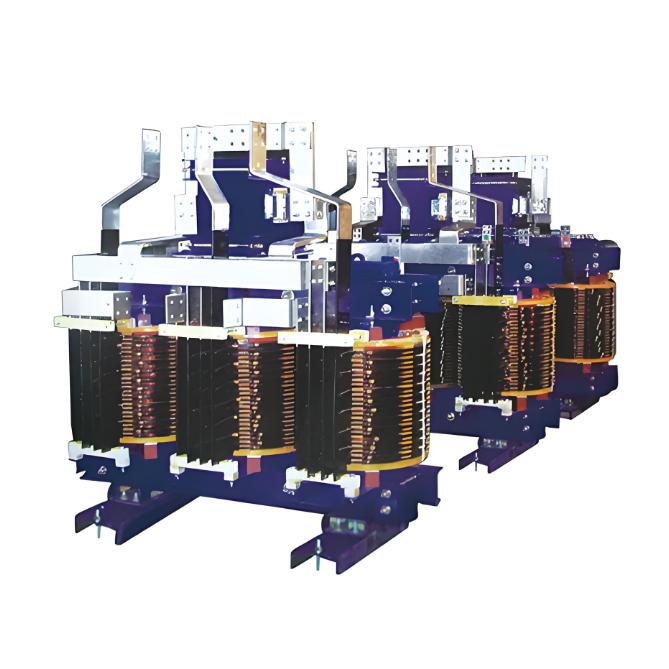
The iron core:

  • The core material is high quality cold rolled grain oriented silicon steel sheet with mineral oxide insulation (from  Baowu Steel Group, China).

  • Minimize loss level, no-load current and noise by controlling the cutting and stacking process of silicon steel sheet.

  • The iron core is specially reinforced to ensure the transformer structure is firm during normal operation and transportation.

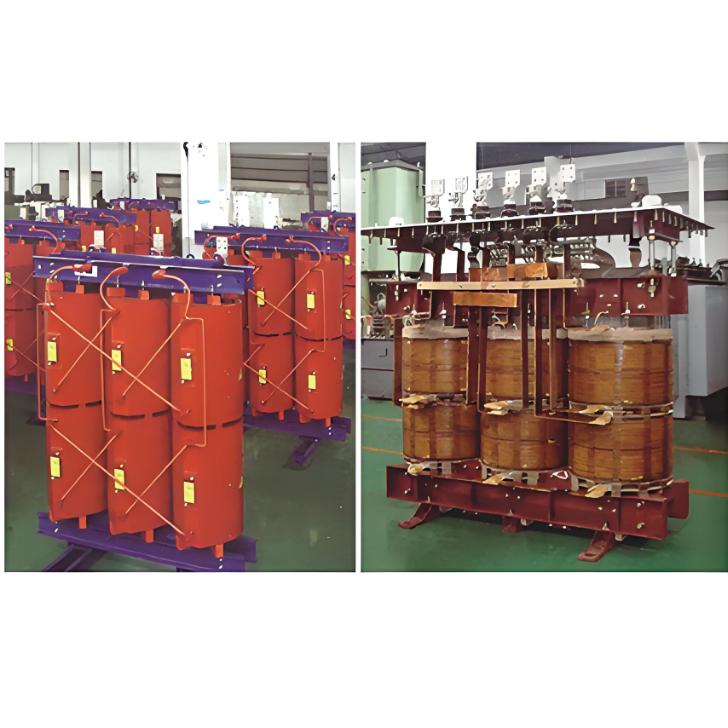
winding:

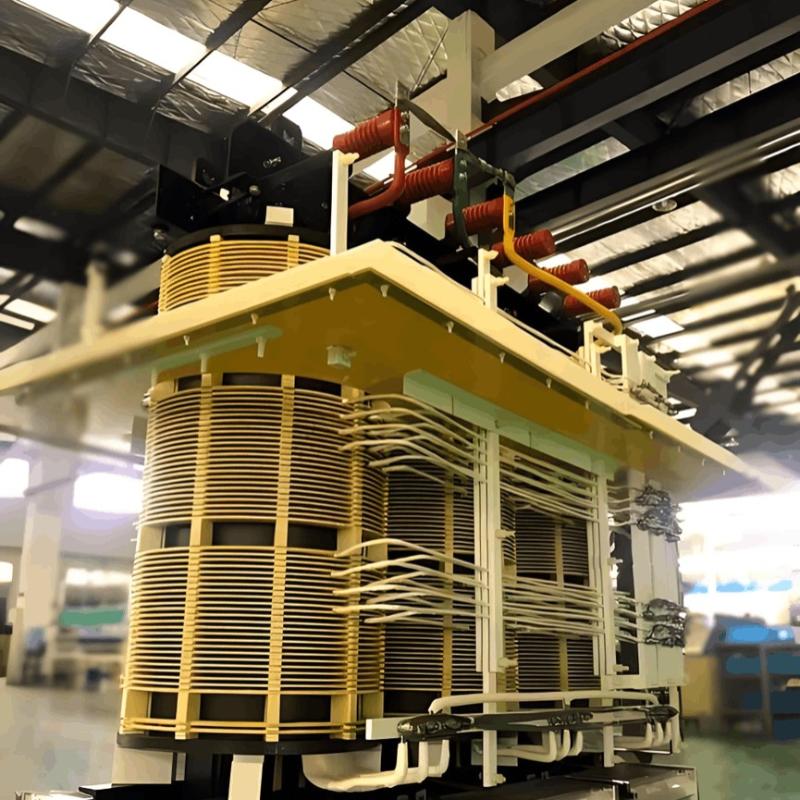
  • Low voltage winding is made of high quality copper foil, excellent insulation resistance.

  • The high voltage windings are usually made of insulated copper wire, using the patented technology of Hengfengyou Electric.

  • Very good resistance to radial stress caused by short circuit.

High quality material:

  • Baowu Steel Group production of silicon steel sheet.

  • China produces high quality anaerobic copper.

  • CNPC (Kunlun Petroleum) High quality transformer oil (25#).

Ordering instructions:

  • Main parameters of transformer (voltage, capacity, loss and other main parameters).

  • Transformer operating environment (altitude, temperature, humidity, location, etc.).

  • Other customization requirements.

  •  Normal delivery period is 30 days.

  • Worldwide fast delivery.

What is a Rectifier Transformer?

Functional Aspects:

  • A rectifier transformer is a special type of transformer, mainly used to convert alternating current (AC) voltage into a voltage suitable for the input of a rectifier. The function of a rectifier is to convert alternating current into direct current (DC), and the rectifier transformer provides the appropriate alternating current input voltage for the rectifier to ensure that the rectifier can perform the rectification operation effectively.

  • For example, in the industrial electroplating process, a stable direct current power supply is required for electroplating operations. The rectifier transformer first converts the alternating current from the power grid (such as 380V AC) into an alternating current voltage suitable for the electroplating rectifier (such as an alternating current voltage of several tens of volts), and then the rectifier converts this alternating current voltage into a direct current voltage for electroplating.

Structural Characteristics:

  • Its structure is similar to that of an ordinary transformer, also having an iron core and windings. However, the winding design of the rectifier transformer may be more complex because the direct current output characteristics after rectification need to be taken into account.

  • For example, in order to reduce the harmonic components in the direct current after rectification, the windings of the rectifier transformer may adopt special connection methods, such as extended delta connection or zigzag connection. These connection methods help to improve the electrical performance of the transformer, making the output alternating current voltage more suitable for rectification, thus obtaining a better-quality direct current output.
Know your supplier
Online store
On-time delivery rate
Response time
100.0%
≤4h
Company overview
Workplace: 10000m² Total staff: 300 Highest Annual Export(usD): 150000000
Workplace: 10000m²
Total staff: 300
Highest Annual Export(usD): 150000000
Services
Business Type: Design/Manufacture/Sales
Main Categories: High Voltage Electrical Apparatus/Electric transformer
Whole life care manager
Whole-life care management services for equipment procurement, use, maintenance, and after-sales, ensuring safe operation of electrical equipment, continuous control, and worry-free electricity consumption.
The equipment supplier has passed platform qualification certification and technical evaluation, ensuring compliance, professionalism, and reliability from the source.

Related Products

Related Knowledges

  • Faults and Handling of Single-phase Grounding in 10kV Distribution Lines
    Characteristics and Detection Devices for Single-Phase Ground Faults1. Characteristics of Single-Phase Ground FaultsCentral Alarm Signals:The warning bell rings, and the indicator lamp labeled “Ground Fault on [X] kV Bus Section [Y]” illuminates. In systems with a Petersen coil (arc suppression coil) grounding the neutral point, the “Petersen Coil Operated” indicator also lights up.Insulation Monitoring Voltmeter Indications:The voltage of the faulted phase decreases (in
    01/30/2026
  • Neutral point grounding operation mode for 110kV~220kV power grid transformers
    The arrangement of neutral point grounding operation modes for 110kV~220kV power grid transformers shall meet the insulation withstand requirements of transformer neutral points, and shall also strive to keep the zero-sequence impedance of substations basically unchanged, while ensuring that the zero-sequence comprehensive impedance at any short-circuit point in the system does not exceed three times the positive-sequence comprehensive impedance.For 220kV and 110kV transformers in new constructi
    01/29/2026
  • Why Do Substations Use Stones, Gravel, Pebbles, and Crushed Rock?
    Why Do Substations Use Stones, Gravel, Pebbles, and Crushed Rock?In substations, equipment such as power and distribution transformers, transmission lines, voltage transformers, current transformers, and disconnect switches all require grounding. Beyond grounding, we will now explore in depth why gravel and crushed stone are commonly used in substations. Though they appear ordinary, these stones play a critical safety and functional role.In substation grounding design—especially when multiple gr
    01/29/2026
  • Why Must a Transformer Core Be Grounded at Only One Point? Isn't Multi-Point Grounding More Reliable?
    Why Does the Transformer Core Need to Be Grounded?During operation, the transformer core, along with the metal structures, parts, and components that fix the core and windings, are all situated in a strong electric field. Under the influence of this electric field, they acquire a relatively high potential with respect to ground. If the core is not grounded, a potential difference will exist between the core and the grounded clamping structures and tank, which may lead to intermittent discharge.I
    01/29/2026
  • Understanding Transformer Neutral Grounding
    I. What is a Neutral Point?In transformers and generators, the neutral point is a specific point in the winding where the absolute voltage between this point and each external terminal is equal. In the diagram below, pointOrepresents the neutral point.II. Why Does the Neutral Point Need Grounding?The electrical connection method between the neutral point and earth in a three-phase AC power system is called theneutral grounding method. This grounding method directly affects:The safety, reliabilit
    01/29/2026
  • What’s the Difference Between Rectifier Transformers and Power Transformers?
    What is a Rectifier Transformer?"Power conversion" is a general term encompassing rectification, inversion, and frequency conversion, with rectification being the most widely used among them. Rectifier equipment converts input AC power into DC output through rectification and filtering. A rectifier transformer serves as the power supply transformer for such rectifier equipment. In industrial applications, most DC power supplies are obtained by combining a rectifier transformer with rectifier equ
    01/29/2026

Related Solutions

  • Choosing Vizman Distribution Transformers: Innovative Customization to Meet Diverse Power Needs
    Distribution transformers are the heart of local electricity distribution systems. They step down voltage, enabling safe and efficient power supply to homes and businesses.At Vizman Electric Power Technology Co., Ltd., we understand the critical role of distribution transformers in the energy ecosystem. That's why we specialize in manufacturing high-quality distribution transformers, providing tailored solutions to meet diverse energy needs.1.Solutions Offered by Vizman Electric Power Technology
    04/16/2025
  • SF6 Circuit Breaker Solutions in High-Voltage Power Systems: A Case Study of VZIMAN Company
    1. Challenges in High-Voltage Power Systems1.1 High-voltage power systems, as the core of power transmission, face critical challenges: Equipment Performance Limits: With increasing voltage levels (e.g., 500kV and above), traditional circuit breakers struggle to meet high breaking capacities (over 40kA) and rapid insulation recovery requirements. Overvoltage Risks: Switching capacitive loads (e.g., capacitor banks) may cause reignition, leading to dangerous overvoltages. Poor Environmental Adapt
    05/13/2025
  • VZIMAN Company SF6 Circuit Breaker Solutions for Renewable Energy Grid Integration
    1. Current Challenges in Renewable Energy Grid Integration1.1 Grid Frequency Fluctuations and Stability IssuesThe intermittency and variability of renewable energy sources (e.g., wind and solar) lead to frequent grid frequency changes. Traditional circuit breakers struggle to respond rapidly to such dynamic loads, potentially causing equipment damage or regional blackouts. For instance, during sudden drops in wind power or abrupt solar output fluctuations, the grid must isolate faults within mil
    05/13/2025
Related Free tools
Haven't found the right supplier yet? Let matching verified suppliers find you. Get Quotation Now
Haven't found the right supplier yet? Let matching verified suppliers find you.
Get Quotation Now
Send inquiry
+86
Click to upload file
Download
Get the IEE Business Application
Use the IEE-Business app to find equipment, obtain solutions, connect with experts, and participate in industry collaboration anytime, anywhere—fully supporting the development of your power projects and business.