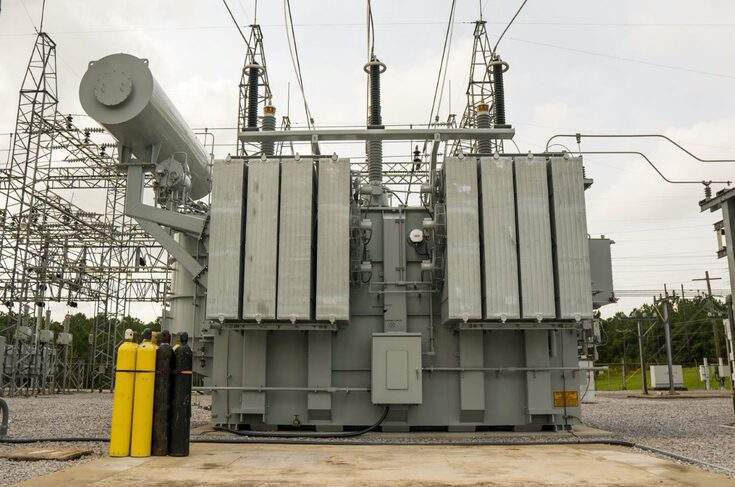
1. Design Standards & Environmental Compliance
IEEE Std C57.12.00-2022: Utilizes Class H insulation (180°C thermal rating) to meet operational requirements across -40°C to +50°C, ensuring mechanical stability of windings and cores in extreme cold.
IEEE Std 1623: Integrates wide voltage input (±10% fluctuation) and harmonic suppression, aligning with IEEE 519’s <5% voltage distortion mandate for grid fluctuations in mining areas.
CSA C88-23 / ANSI C57.12.01: Certified for -50°C cold-start performance via low-temperature epoxy encapsulation, preventing insulation cracks. Complies with both Canadian and ANSI standards.
2. Core Technical Innovations
Enhanced Insulation System
Nano-composite Class H insulation (Nomex®-silicone hybrid) achieves 35 kV/mm dielectric strength (exceeding IEEE Std C57.12.01’s 28 kV/mm) and passes <5 pC partial discharge tests.
Advanced Cooling Mechanism
Dual-cycle ONAN cooling (mineral + vegetable oil) with corrugated tank design improves thermal stability by 40%, limiting HST to 65°C (vs. IEEE Std C57.91’s 98°C threshold). ANSI-certified thermal modeling validates performance.
Robust Enclosure Design
IP54-rated housing (IEC 60529/ANSI C12.20 compliant) features anti-corrosion coatings and dust channels, passing ASTM D968 sand abrasion tests.
3. Intelligent Monitoring & Maintenance
IoT-Enabled Predictive Diagnostics
IEEE 1451-compliant sensors monitor partial discharge, oil temperature, and DGA, enabling <3% error lifespan predictions via edge computing.
Modular Maintenance Strategy
Patent-pending detachable winding modules (US2023156782A1) reduce repair time by 60% and costs by 40%, adhering to ANSI/IEEE maintenance guidelines.
4. Performance Validation
Reliability Metrics
Metric |
Test Value |
IEEE/ANSI Requirement |
MTBF |
12.5 years |
≥8 years |
Voltage Regulation |
±10% |
±5% |
No-Load Loss |
0.8% |
<1.2% |
(Data: CSA/ANSI-accredited lab reports) |
|
|
Economic Benefits
IEEE 3006.2/ANSI lifecycle models confirm 52% lower TCO and <4-year payback period.