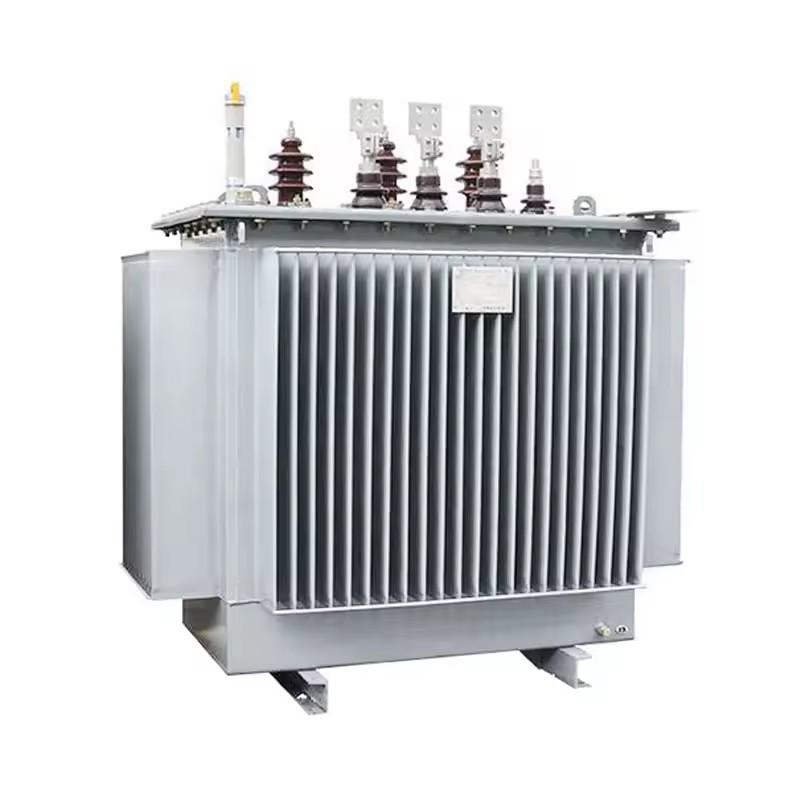
Top 5 Faults Found in H61 Distribution Transformers

Five Common Defects of H61 Distribution Transformers
1.Lead Wire Defects
Inspection Method: The three-phase DC resistance imbalance rate significantly exceeds 4%, or one phase is essentially open-circuited.
Remedial Measures: The core should be lifted for inspection to locate the defective area. For poor contacts, re-polish and tighten the connection. Poorly welded joints should be re-welded. If the welding surface area is insufficient, it should be enlarged. If the lead wire cross-section is inadequate, it should be replaced (with a larger size) to meet requirements.
2.Tap Changer Defects
Inspection Method: Measure DC resistance at different tap positions. If there is complete open circuit, the switch is likely burned out. If DC resistance imbalance occurs at a specific tap, individual contacts may be burned. A strong burnt smell indicates overheating or arcing.
Remedial Measures: Lift the core for inspection. If the switch contacts only show mild overheating, poor contact, or slight arcing marks, they can be removed, repaired, and reused. If severely burned or if there is evidence of ground discharge between contacts, the switch must be replaced. Ground discharge often causes deformation of the high-voltage winding’s tap section; in severe cases, the winding must be repaired or rewound (replaced).
3.Winding Defects
Inspection Method: Winding faults typically manifest as oil spraying from the conservator tank, bulging of the tank body, and a burnt oil odor. Insulation resistance and DC resistance measurements can be performed—insulation resistance near “zero” and unstable, increased DC resistance indicate winding issues.
Remedial Measures: Lift the core to assess the fault condition. Minor damage may be repairable for continued use. Severe faults require winding replacement. For conservator tank sealing issues, technical modifications should be implemented.
4.Reduced Insulation
Inspection Method: Regular insulation resistance tests and oil tests should be conducted on the transformer. Significant changes in measured values or results below the requirements specified in the "Regulations" indicate moisture ingress or degraded oil insulation performance.
Remedial Measures: If the transformer’s insulation resistance decreases, thorough drying is required. If oil insulation degrades, the oil should be replaced or filtered. Faulty seals and defective breathers (dehydrating breathers) must be repaired.
5.Core Defects
Inspection Method: Measure the insulation resistance of the core-through bolts. If it is less than 10 MΩ, repairs are needed.
Remedial Measures: After lifting the core, remove the damaged core-through bolt and replace its insulation.