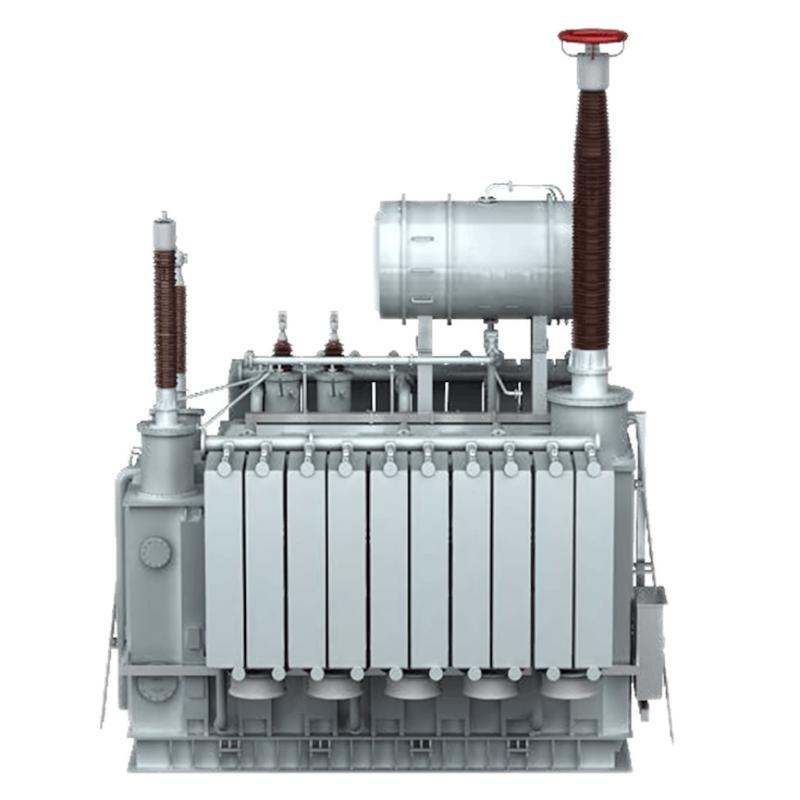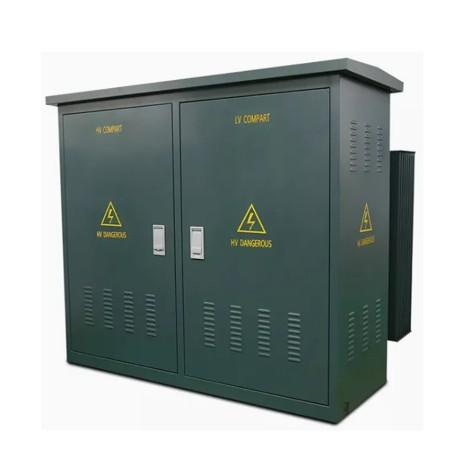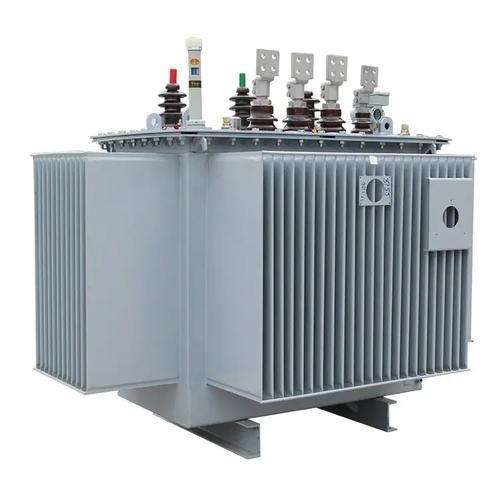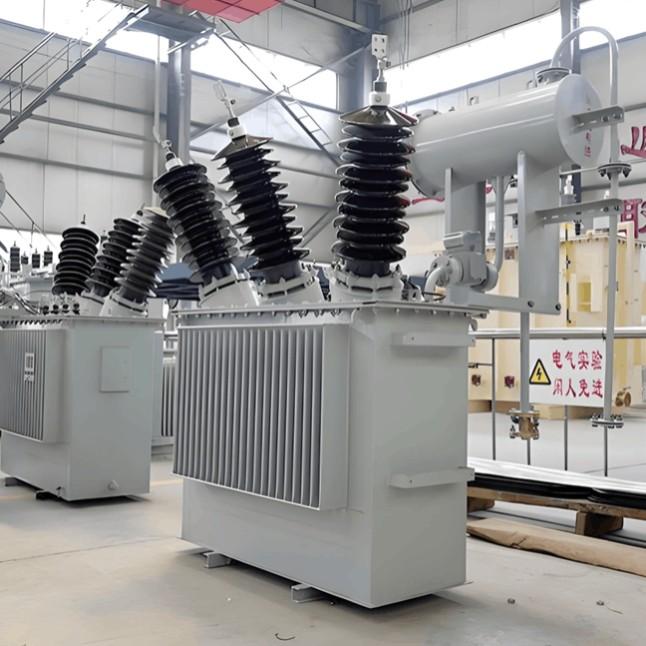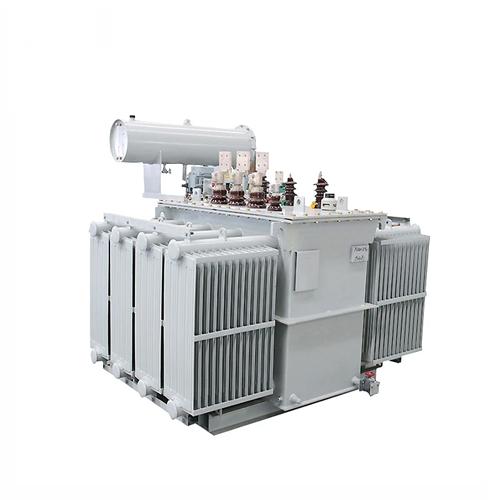
A certain special transformer manufacturing enterprise, which has been producing special transformers such as split - phase - shifting rectifier transformers, rectifier transformers for electrolysis, and transformers for submerged arc furnaces for more than 20 years. Now, an evaluation is made on the production process flow and its characteristics of the special transformers after the company's transformation.
1.Production Process Flow Chart of Special Transformers
The production of special transformers mainly includes core production, insulation part production, winding winding, clamp and fastener production, oil tank and oil conservator production, assembly, and transformer inspection and testing, etc. Metal plates and profiles shall be subjected to spray and shot blasting for rust removal before blanking. After the clamps are cleaned of slag, acid pickling and phosphating surface treatment shall be carried out. The oil tank, oil conservator, clamps, etc. shall all be spray - painted with anti - rust paint and finish paint in accordance with the process requirements.
1.1 Production of Core Components
First, re - inspect incoming silicon steel sheets, checking items like B - H characteristics, P₁₅/₅₀, surface resistance, and mechanical properties. Then, blank via longitudinal/transverse shearing as per the nesting plan, stack the cut sheets to form the core. After passing the inspection, hoist it to the test station, and the tester will carry out the specified tests. After passing tests, bundle, shape, remove fasteners, and transfer to assembly.
1.2 Production of Insulation Components
First, re-inspect insulation materials. Then, blank per the nesting plan, apply glue to cardboard, stack, hot-press via steam, and finally saw/mill to shape.
The insulation workshop mainly produces insulation parts, fasteners, and clamps. Shaft parts use lathes/milling machines; box-type, special-shaped insulation parts use machining centers; planers handle plates/blocks. Additionally, an electrostatic plate wrapping machine makes electrostatic plates, and some parts use hot presses.
1.3 Winding of Windings
Prepare raw materials (enameled wires, electromagnetic wires, insulation parts). Inspect wire gauge, winding die dimensions. Select a winder based on the winding structure to wind the coil. After passing inspection, dry, preheat, and send to vacuum impregnation equipment. Post-impregnation, dry in a vacuum tank; transfer to assembly if qualified.
1.4 Production of Welded Components
First, degrease/rust-remove plates/profiles in a shot-blasting room. After passing, blank and weld. Small oil tanks/fin radiators use a full welding line. For all welded parts (boxes, covers, corrugated tanks, etc.), apply anti-rust/insulating paint as required post-welding.
1.5 Assembly Process
First, prepare qualified cores and ready for upper yoke disassembly/assembly. Take insulation parts/windings, assemble and insert plates in the designated area. After, the operator self-inspects; pass to quality inspector, then test the transformer body at the test station. After passing, proceed to next steps (welding wires, installing covers/switches/bushings). Post-operation, inspect via a special quality inspector; dry in a vacuum tank if qualified. After drying, fasten the body, hoist to test semi-finished products. After passing, final-assemble: hoist to the final assembly area, secure bolts, install oil conservators, etc. Then, pressure/leak test, stand at the test station. Conduct final tests as required; touch-up paint and store if qualified.
2 Analysis of Process Characteristics
The upgraded special transformer production process has a concise flow, smooth logistics, ensuring reliable production line operation. Easy to organize, suitable for mass production, efficient, and quality-reliable. It fully considers environmental protection, occupational safety, and energy-saving, aligning with international advanced tech. The flexible production line meets diverse market demands.
3 Guarantee of Production Process on Quality & Equipment Matching
Special transformers made via this process meet standards like GB1094.1-1996, GB8286-1996, etc. Key indicators (load loss, no-load loss, no-load current) exceed standards.
The company uses advanced equipment (German Georg shearing lines, domestic winders). Years of operation show good process-equipment matching.
4 Comparison with Domestic and Foreign Similar Products
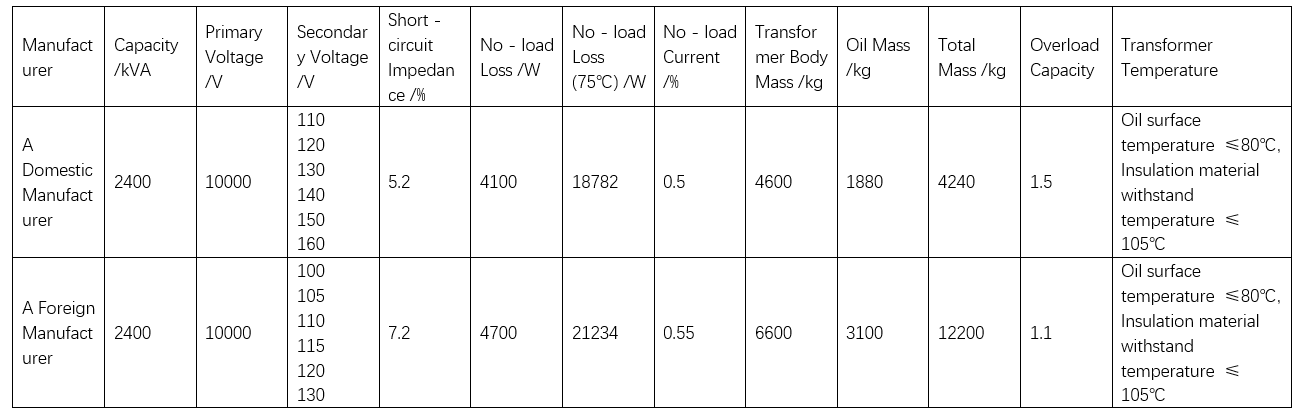
Taking the submerged arc furnace transformer for magnesia smelting as an example, it can automatically complete adjustable changes of voltage and current within the specified smelting time. The no-load loss of this product is 21% lower than that of domestic similar products, the no-load current is reduced by 30%, and the load loss is decreased by 22.3%. Compared with foreign similar products, the no-load loss is 15% lower and the load loss is 13% lower.
For general transformers, the energy consumption for electro - fused magnesia is 3200kW·h/t - 3500kW·h/t, while the transformers produced by this company have an energy consumption of 2300kW·h/t - 2600kW·h/t, saving nearly 1000kW·h of electricity per ton. The performance parameter comparison with foreign similar products is shown in Table 1.