• Product
  • Suppliers
  • Manufacturers
  • Solutions
  • Free tools
  • Knowledges
  • Experts
  • Communities
Search


Free Expert Guides on Power Systems, Circuit Design & Electrical Troubleshooting

Access free engineering resources from IEE Business—covering power design, circuit layout, equipment selection, and troubleshooting. Expert-developed guides help engineers, procurement, and project teams make better decisions. Stay ahead on smart grids, renewables, efficiency, and AI tools. Improve reliability, reduce downtime, and enhance outcomes with real-world solutions. Explore our knowledge hub today.
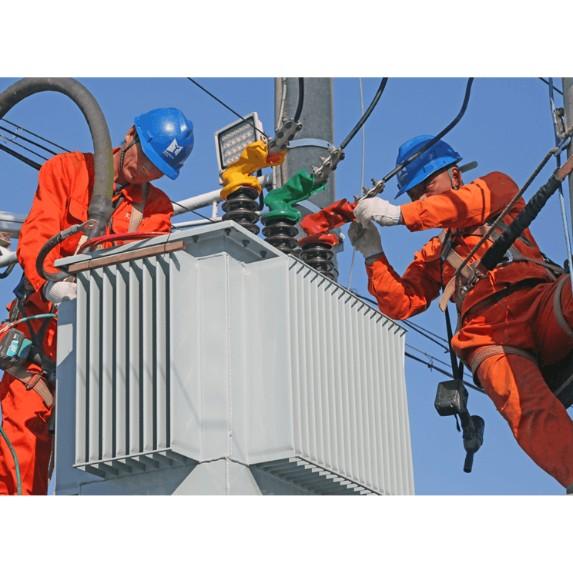
Transformer Noise Control Solutions for Different Installations
1.Noise Mitigation for Ground-Level Independent Transformer RoomsMitigation Strategy:First, conduct a power-off inspection and maintenance of the transformer, including replacing aged insulating oil, checking and tightening all fasteners, and cleaning dust from the unit.Second, reinforce the transformer foundation or install vibration isolation devices—such as rubber pads or spring isolators—selected based on the severity of vibration.Finally, strengthen sound insulation at weak points of the ro
12/25/2025
Consult
Tip
Consult
Tip
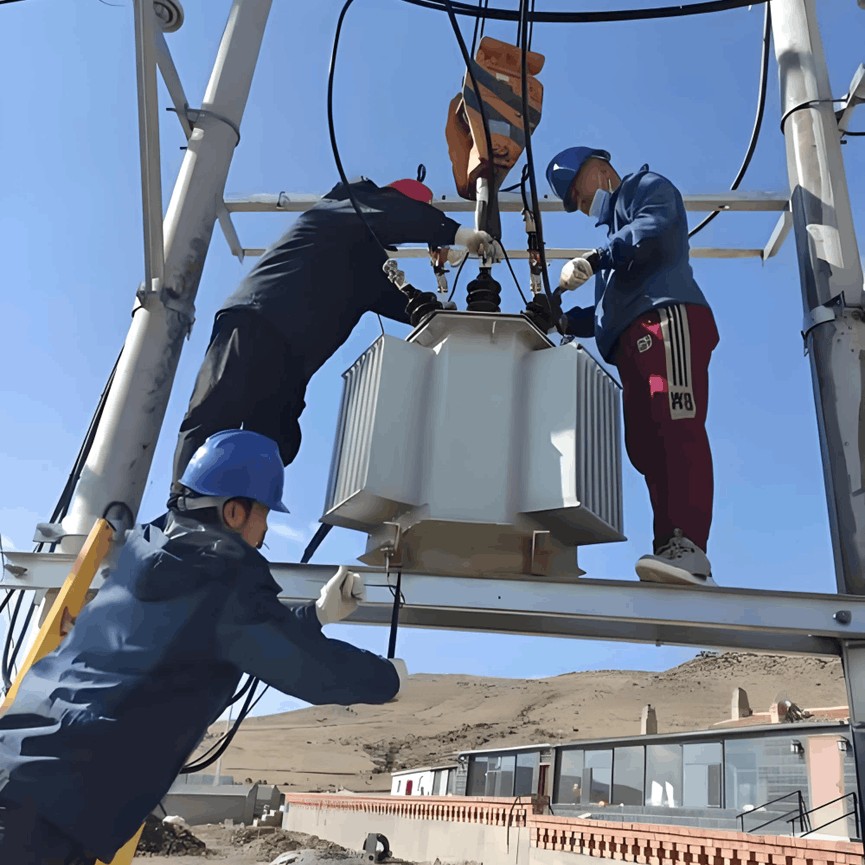
Risk Identification and Control Measures for Distribution Transformer Replacement Work
1.Electric Shock Risk Prevention and ControlAccording to typical design standards for distribution network upgrades, the distance between the transformer’s drop-out fuse and the high-voltage terminal is 1.5 meters. If a crane is used for replacement, it is often impossible to maintain the required minimum safety clearance of 2 meters between the crane boom, lifting gear, slings, wire ropes, and the 10 kV live parts, posing a severe risk of electric shock.Control Measures:Measure 1:De-energize th
12/25/2025
Consult
Tip
Consult
Tip
What Are the Basic Requirements for Outdoor Installation of Distribution Transformers?
1. General Requirements for Pole-Mounted Transformer Platforms Location Selection:Pole-mounted transformers should be installed near the load center to minimize power losses and voltage drop in low-voltage distribution lines. Typically, they are placed close to facilities with high electricity demand, while ensuring that the voltage drop at the farthest connected equipment remains within allowable limits. The installation site should allow easy access for maintenance and avoid complex pole struc
12/25/2025
Consult
Tip
Consult
Tip
Regulations for Primary Wiring of Distribution Transformers
The primary wiring of transformers shall comply with the following regulations: Supports and Cable Protection Conduits: The construction of supports and cable protection conduits for transformer incoming and outgoing lines shall conform to design document requirements. Supports must be firmly installed with elevation and horizontal deviations within ±5mm. Both supports and protection conduits shall have reliable grounding connections. Rectangular Busbar Bending: When rectangular busbars are used
12/23/2025
Consult
Tip
Consult
Tip
Adjustment and Precautions for H61 Oil Power 26kV Electric Transformer Tap Changers
Preparatory Work Before Adjusting the Tap Changer of H61 Oil Power 26kV Electric Transformer Apply for and issue a work permit; carefully fill out the operation ticket; conduct a simulation board operation test to ensure the operation is error-free; confirm the personnel who will carry out and supervise the operation; if load reduction is required, notify affected users in advance. Before construction, power must be disconnected to take the transformer out of service, and voltage testing must be
12/08/2025
Consult
Tip
Consult
Tip
Transformer Use and Installation: Ensuring Safe and Reliable Operation
Operating Conditions for Transformers The installation site must be free from flooding, located at an altitude not exceeding 1,000 meters, and maintained in an ambient temperature not exceeding 40°C. Relative humidity may reach 100% within an operating temperature range of 40°C to -25°C (on-load tap changers and temperature controllers must be rated for -25°C). The installation area should be clean, free from conductive dust and corrosive gases, and equipped with sufficient natural or mechanical
09/17/2025
Consult
Tip
Consult
Tip
 Advantages of SC Series Transformers: Advanced Production Equipment Enabling High Reliability
Heidrich Pouring Tank Features a fully integrated online film degassing system for enhanced resin quality. Employs static mixing technology—ensuring contamination-free processing with zero waste. Offers programmable mixing ratios and adjustable pouring speed for precise process control. Achieves an internal vacuum level of 0.8 to 2.5 bar, optimizing resin penetration and impregnation.Horizontal and Vertical Cutting Lines Delivers high-precision machining with a tolerance of ±0.01 mm and burr con
09/17/2025
Consult
Tip
Consult
Tip
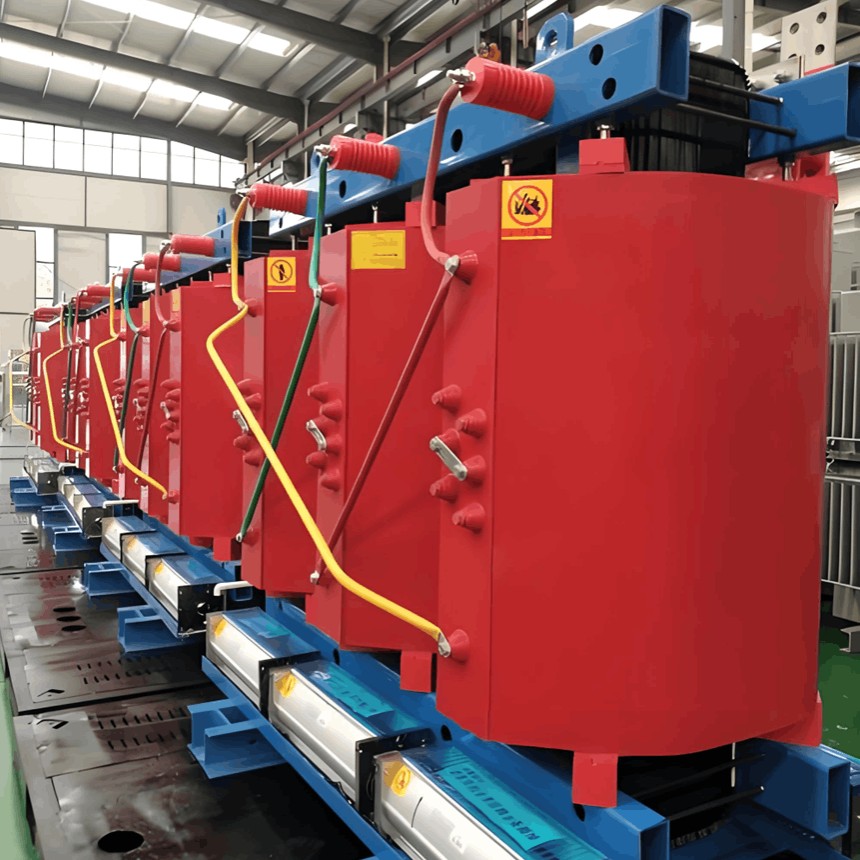
Advantages of Dry-Type Transformers: Enhancing Safety and Environmental Performance
Compared to traditional oil-filled transformers, dry-type transformers offer several advantages. Key benefits of dry-type transformers include:Safety: Dry-type transformers are considered safer as they lack flammable liquid insulation (such as oil). They eliminate risks associated with oil leaks, spills, and related fire hazards. This makes them suitable for indoor installations, especially in areas where fire safety is a priority, such as commercial buildings, hospitals, and schools.Environment
09/17/2025
Consult
Tip
Consult
Tip
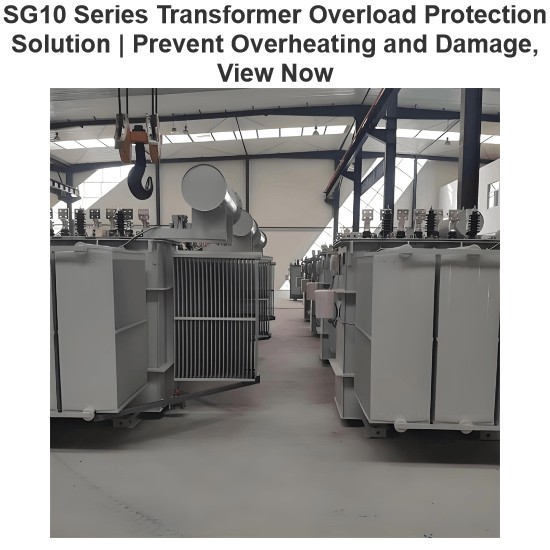
SG10 Series Transformer Overload Protection Solution | Prevent Overheating and Damage, View Now
Operating Conditions in National Standard GB 6450-1986Ambient temperature: Maximum ambient temperature: +40°C Daily average maximum temperature: +30°C Annual average maximum temperature: +20°C Minimum temperature: -30°C (outdoor); -5°C (indoor) Horizontal axis: Product load; Vertical axis: Average coil temperature rise in Kelvin (note: not in Celsius).For Class H insulation products, the long-term temperature resistance of insulation materials is stipulated by the state as 180°C. However, the in
09/12/2025
Consult
Tip
Consult
Tip
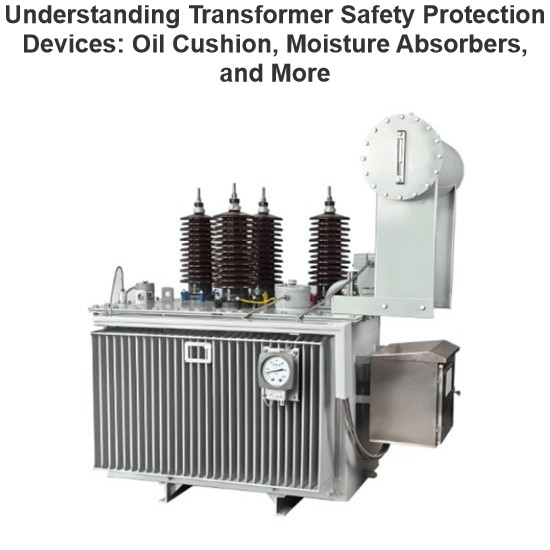
Understanding Transformer Safety Protection Devices: Oil Cushion, Moisture Absorbers, and More
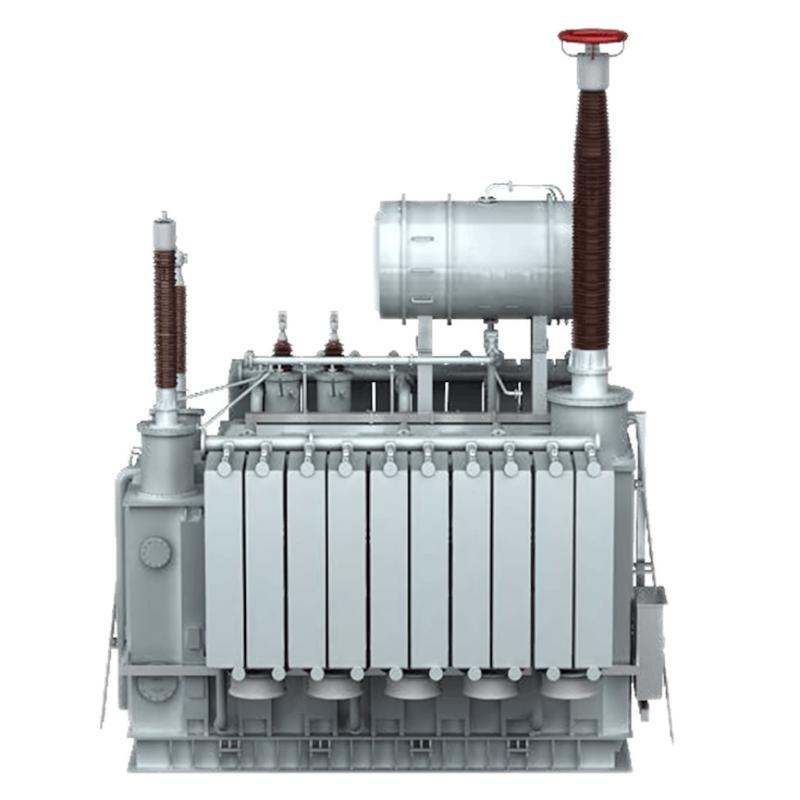
Transformer Main Body Construction and Safety Protection DevicesA power transformer is equipped with several critical safety protection devices to ensure reliable and safe operation. These components play essential roles in monitoring, protecting, and maintaining the integrity of the transformer under varying operating conditions.1. Oil Cushion (Conservator Tank)The oil cushion, also known as the conservator tank, typically has a capacity of approximately 8–10% of the total transformer
08/09/2025
Consult
Tip
Consult
Tip
Send inquiry
+86
Click to upload file
Download
Get the IEE Business Application
Use the IEE-Business app to find equipment, obtain solutions, connect with experts, and participate in industry collaboration anytime, anywhere—fully supporting the development of your power projects and business.