• Product
  • Suppliers
  • Manufacturers
  • Solutions
  • Free tools
  • Knowledges
  • Experts
  • Communities
Search


Free Expert Guides on Power Systems, Circuit Design & Electrical Troubleshooting

Access free engineering resources from IEE Business—covering power design, circuit layout, equipment selection, and troubleshooting. Expert-developed guides help engineers, procurement, and project teams make better decisions. Stay ahead on smart grids, renewables, efficiency, and AI tools. Improve reliability, reduce downtime, and enhance outcomes with real-world solutions. Explore our knowledge hub today.
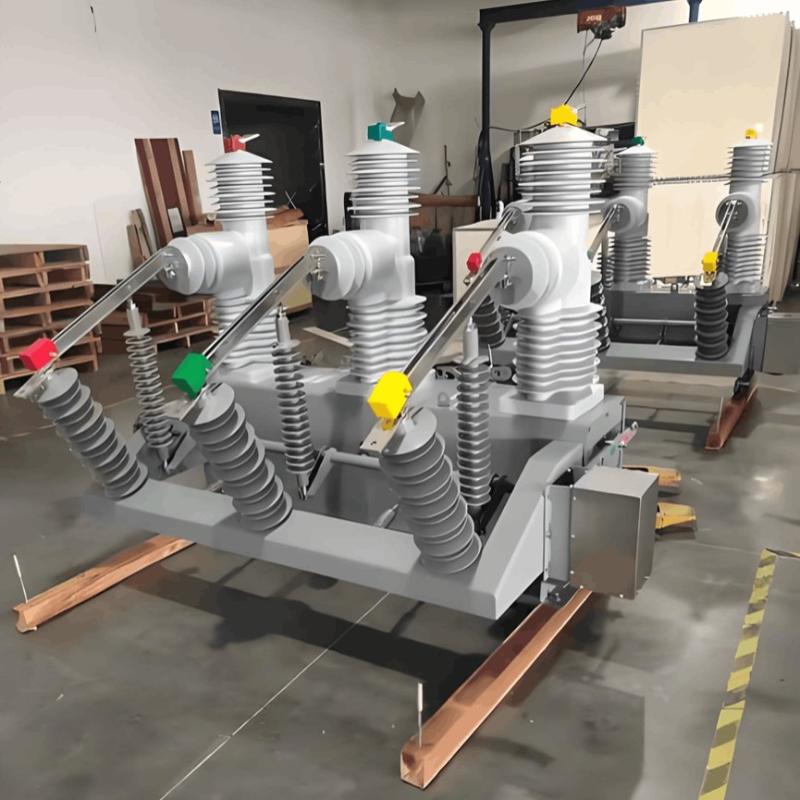
Hydraulic Leak & SF6 Gas Leakage in Circuit Breakers
Leakage in Hydraulic Operating MechanismsFor hydraulic mechanisms, leakage can cause short-term frequent pump starting or excessively long re-pressurization time. Severe internal oil seepage in valves may lead to pressure loss failure. If hydraulic oil enters the nitrogen side of the accumulator cylinder, it can cause abnormal pressure rise, which affects the safe operation of SF6 circuit breakers.Apart from failures caused by damaged or abnormal pressure detection devices and pressure component
10/25/2025
Consult
Tip
Consult
Tip
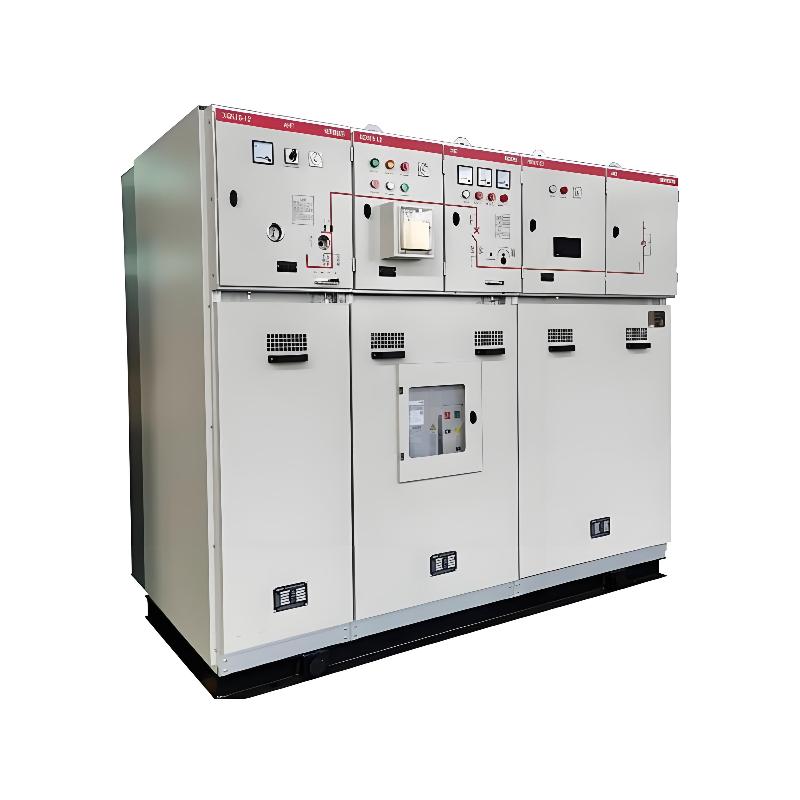
10kV RMU Common Faults & Solutions Guide
1.Application Issues and Handling Measures for 10kV Ring Main Units (RMUs)The 10kV ring main unit (RMU) is a core power distribution device in urban 10kV distribution networks, widely used in industrial parks, residential communities, commercial centers, and public facilities for medium-voltage power supply and flexible power distribution. Its primary function is to enable flexible energy distribution, ring-fed operation, and fault isolation at the 10kV voltage level. However, during long-term o
10/20/2025
Consult
Tip
Consult
Tip
HV Breaker Fault Basics: Training Guide for New Engineers
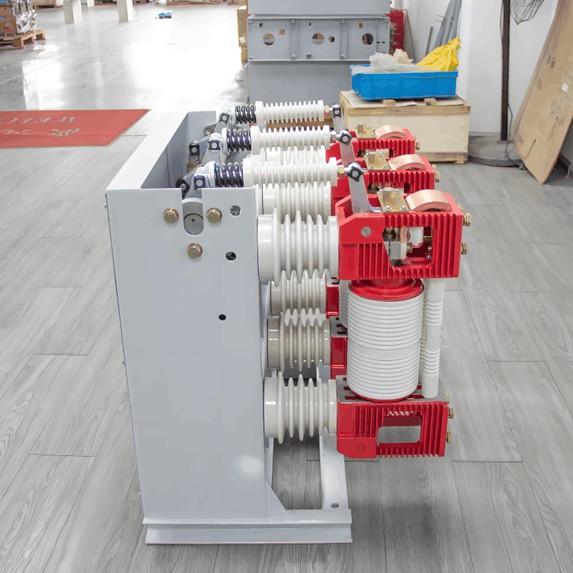
High-Voltage Circuit Breakers: Classification and Fault DiagnosisHigh-voltage circuit breakers are critical protective devices in power systems. They rapidly interrupt current when a fault occurs, preventing damage to equipment from overloads or short circuits. However, due to long-term operation and other factors, circuit breakers may develop faults that require timely diagnosis and troubleshooting.I. Classification of High-Voltage Circuit Breakers1. By Installation Location: Indoor-type: Insta
10/20/2025
Consult
Tip
Consult
Tip
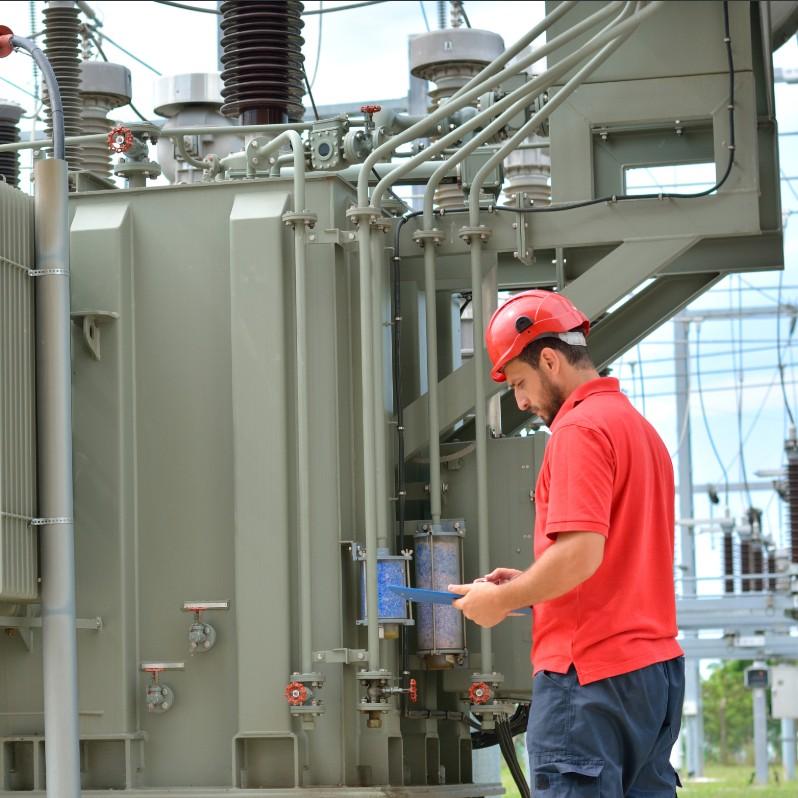
10 Prohibitions for Transformer Installation and Operation!
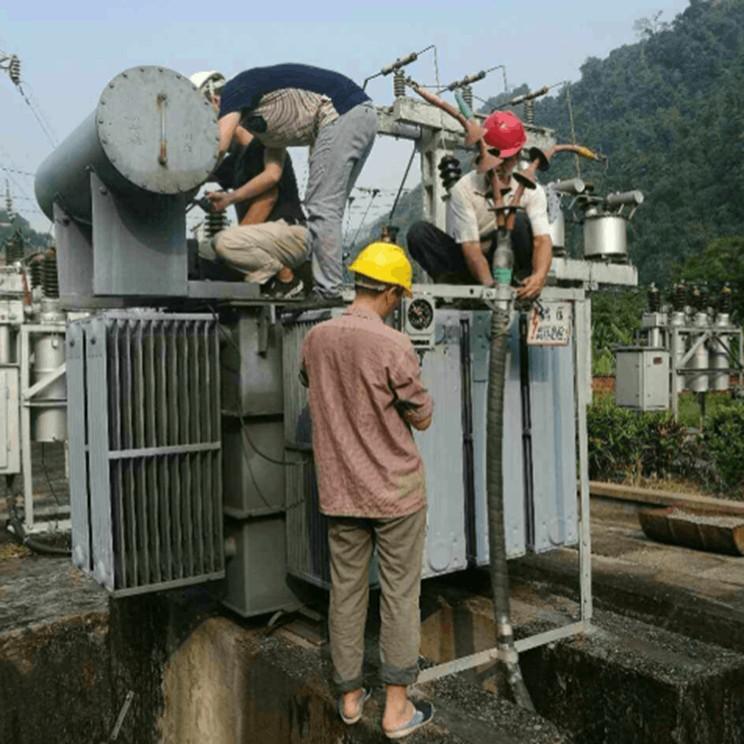
10 Prohibitions for Transformer Installation and Operation! Never install the transformer too far away—avoid placing it in remote mountains or wilderness. Excessive distance not only wastes cables and increases line losses, but also makes management and maintenance difficult. Never choose transformer capacity arbitrarily. Selecting the right capacity is essential. If the capacity is too small, the transformer may be overloaded and easily damaged—overloading beyond 30% should not exceed two hours
10/20/2025
Consult
Tip
Consult
Tip
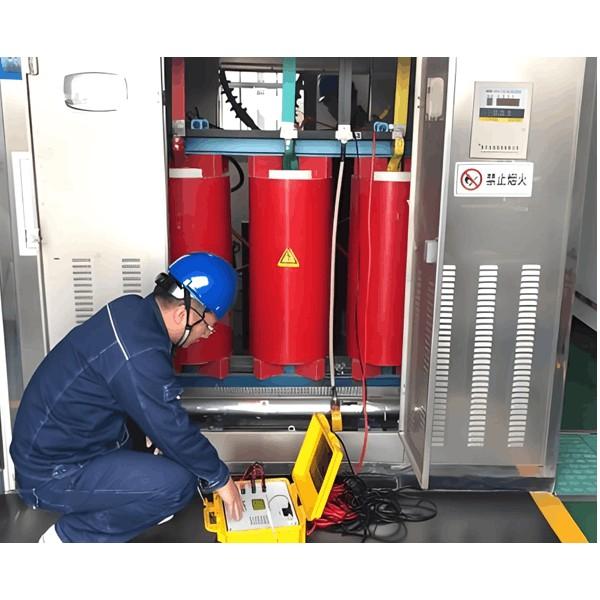
How to Safely Maintain Dry-Type Transformers in India?
Ⅰ.Maintenance Procedures for Dry-Type Transformers in IndiaIn India, with rapid urbanization and continuously growing industrial and commercial power demands, dry-type transformers are widely used in office buildings, data centers, industrial parks, and distribution networks. Due to high ambient temperatures, humidity, and significant dust levels in many regions, regular maintenance is critical to ensuring reliable transformer operation. The following outlines the standard maintenance procedures
10/20/2025
Consult
Tip
Consult
Tip
How to handle transformer faults?
Common transformer faults and their handling methods.1. Transformer OverheatingOverheating is extremely harmful to transformers. Most transformer insulation failures are caused by overheating. Rising temperature reduces the dielectric strength and mechanical strength of insulation materials. IEC 354, Loading Guide for Transformers, states that when the hottest spot temperature of a transformer reaches 140°C, bubbles will form in the oil. These bubbles can reduce insulation performance or cause f
10/18/2025
Consult
Tip
Consult
Tip
How to Inspect 10kV Vacuum Circuit Breakers Properly
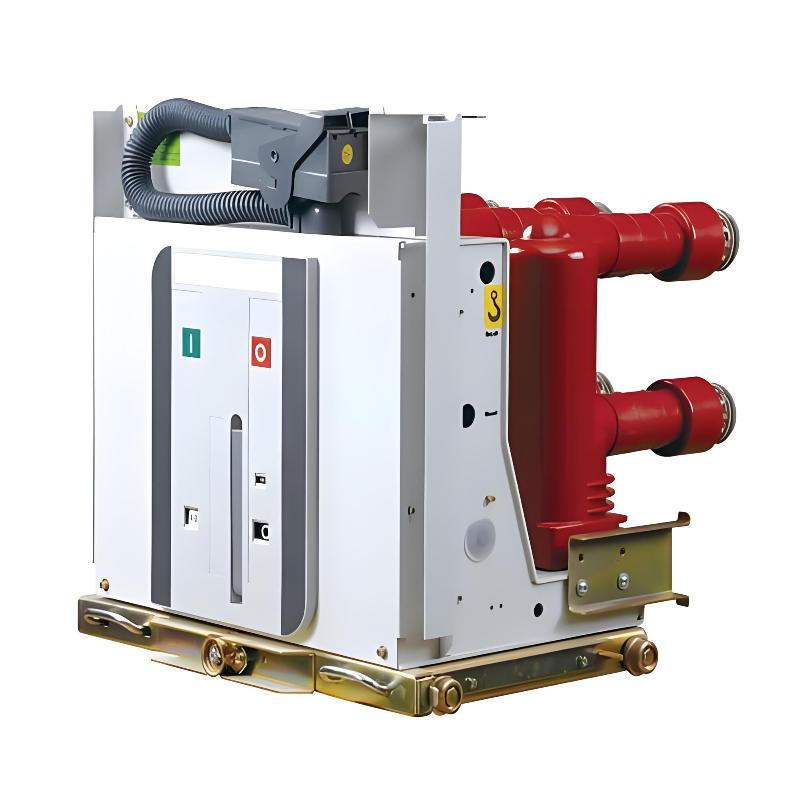
I. Inspection of Vacuum Circuit Breakers During Normal Operation1. Inspection in Closed (ON) Position The operating mechanism should be in the closed position; The main shaft roller should be disengaged from the oil damper; The opening spring should be in a charged (stretched) energy-stored state; The length of the moving contact rod of the vacuum interrupter protruding below the guide plate should be approximately 4–5 mm; The bellows inside the vacuum interrupter should be visible (this does no
10/18/2025
Consult
Tip
Consult
Tip
Low-Voltage Vacuum Breaker Coil Types & Failures
Trip and Close Coils in Low-Voltage Vacuum Circuit BreakersThe trip and close coils are the core components that control the switching state of low-voltage vacuum circuit breakers. When the coil is energized, it generates a magnetic force that drives a mechanical linkage to complete the opening or closing operation. Structurally, the coil is typically made by winding enameled wire on an insulating bobbin, with an outer protective layer, and the terminals are fixed to the housing. The coil operat
10/18/2025
Consult
Tip
Consult
Tip
Analysis of Causes and Preventive Measures for Vacuum Circuit Breaker Burnout Accidents
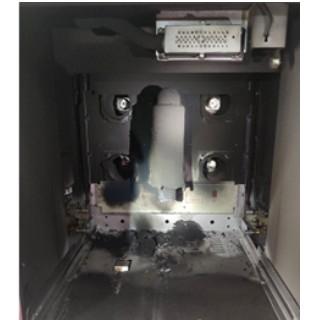
1. Failure Mechanism Analysis of Vacuum Circuit Breakers1.1 Arcing Process During OpeningTaking circuit breaker opening as an example, when the current triggers the operating mechanism to trip, the moving contact begins to separate from the fixed contact. As the distance between the moving and fixed contacts increases, the process proceeds through three stages: contact separation, arcing, and post-arc dielectric recovery. Once separation enters the arcing stage, the condition of the electric arc
10/17/2025
Consult
Tip
Consult
Tip
Analysis of Common Faults and Countermeasures for Medium-Voltage Vacuum Circuit Breakers
The Role of Vacuum Circuit Breakers in Substation Systems and Common Fault AnalysisWhen substation system faults occur, vacuum circuit breakers play a critical protective role by interrupting overloads and short-circuit currents, ensuring the safe and stable operation of power systems. It is essential to strengthen routine inspection and maintenance of medium-voltage (MV) vacuum circuit breakers, analyze common failure causes, and implement effective corrective measures to improve substation rel
10/17/2025
Consult
Tip
Consult
Tip
Send inquiry
+86
Click to upload file
Download
Get the IEE Business Application
Use the IEE-Business app to find equipment, obtain solutions, connect with experts, and participate in industry collaboration anytime, anywhere—fully supporting the development of your power projects and business.