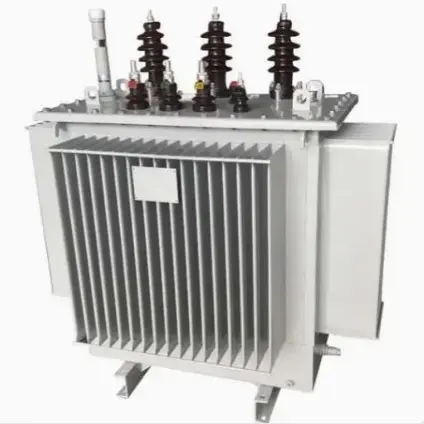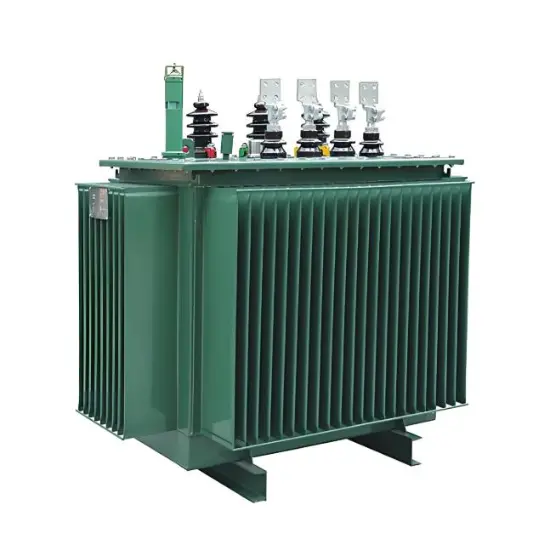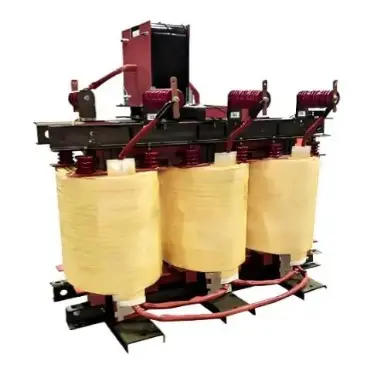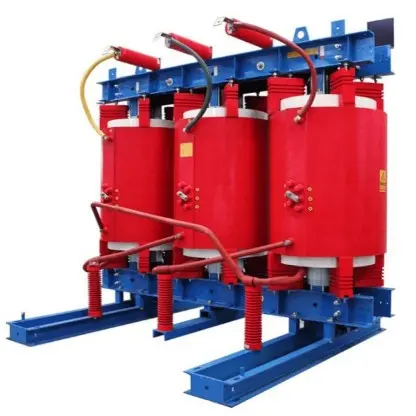
10 Prohibitions for Transformer Installation and Operation!
Never install the transformer too far away—avoid placing it in remote mountains or wilderness. Excessive distance not only wastes cables and increases line losses, but also makes management and maintenance difficult.
Never choose transformer capacity arbitrarily. Selecting the right capacity is essential. If the capacity is too small, the transformer may be overloaded and easily damaged—overloading beyond 30% should not exceed two hours. If the capacity is too large, it causes waste and increases installation costs. Ziguang Electric recommends consulting a professional power installation company for transformer installation advice.
Never neglect the transformer after installation and use. Many users assume transformers can operate for ten to twenty years without issues, so they ignore maintenance, leading to premature failure. Strengthen daily monitoring and promptly correct any three-phase imbalance to prevent transformer burnout.
Never mount a metering cabinet directly on the transformer. Sometimes, for easier management, metering cabinets are installed directly on the transformer platform. However, outdoor metering cabinets are prone to damage and may even harm the transformer itself.
Never mismatch high- and low-voltage fuses. The fuses on both sides of the transformer provide vital overload protection. If the fuse ratings do not match the transformer specifications, the transformer could be damaged—so proper matching is critical.
Never make unauthorized adjustments to the tap changer. During load fluctuations, improper operation without testing can cause poor contact and lead to transformer failure.
Never place the transformer in the same compartment as high- and low-voltage equipment. Due to space limitations or cost-saving attempts, transformers and high/low-voltage switchgear are sometimes installed in the same room without separation. This is dangerous. Ziguang Electric recommends building an isolation wall or installing a protective enclosure if they must be in the same room.
Never forget to install surge arresters on both high- and low-voltage sides of the transformer. Power transmission and distribution lines are vulnerable to direct or indirect lightning strikes that can damage the transformer. Installing surge arresters on both sides provides essential protection.
Never overlook the transformer grounding system. Due to continuous long-term operation, grounding systems may suffer from corrosion, breakage, or neutral point displacement—especially aluminum grounding conductors. Regular inspection is essential; never neglect it.
Never underestimate the importance of regular transformer inspections. Although transformers often operate stably, faults can develop over time. Many issues accumulate gradually, such as insufficient oil, loose high/low-voltage connections, or foreign objects on the transformer. Ziguang Electric recommends establishing a scientific transformer management plan and strictly enforcing it.
Transformer installation and ongoing management must be supervised by designated personnel to ensure stable operation for up to 20 years.