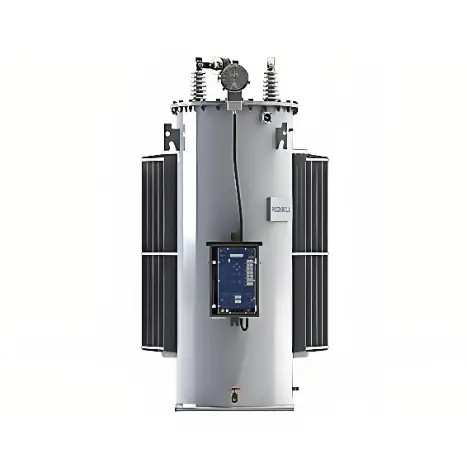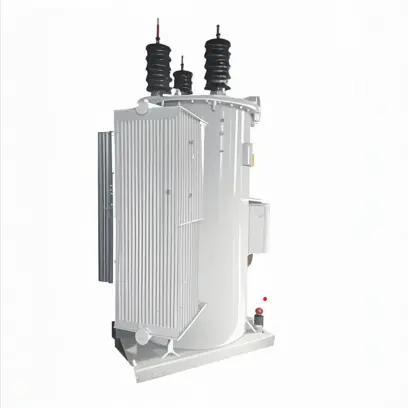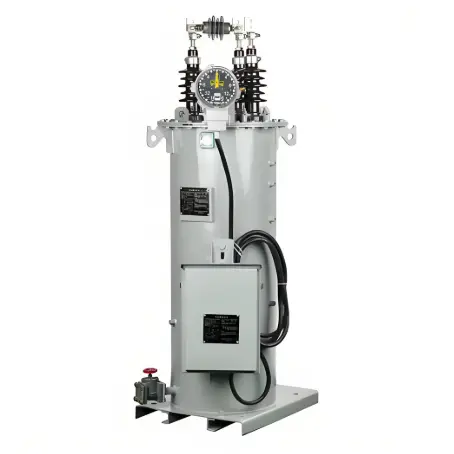
Operating Conditions for Transformers
The installation site must be free from flooding, located at an altitude not exceeding 1,000 meters, and maintained in an ambient temperature not exceeding 40°C. Relative humidity may reach 100% within an operating temperature range of 40°C to -25°C (on-load tap changers and temperature controllers must be rated for -25°C).
The installation area should be clean, free from conductive dust and corrosive gases, and equipped with sufficient natural or mechanical ventilation.
When installing, maintain a minimum clearance of 300 mm between the transformer and walls or other obstacles. A 300 mm gap should also be provided between adjacent transformers. These distances may be reduced as necessary in space-constrained environments.
Product Packaging and Transportation
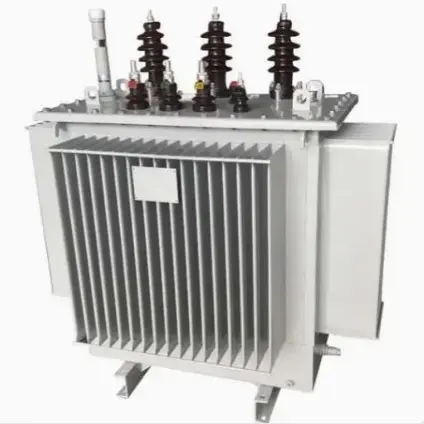
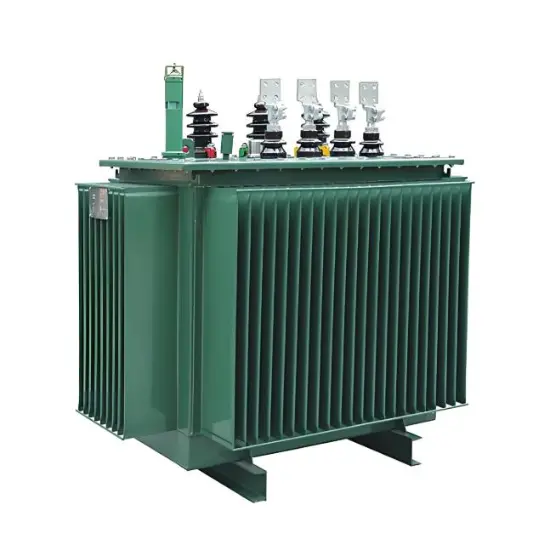
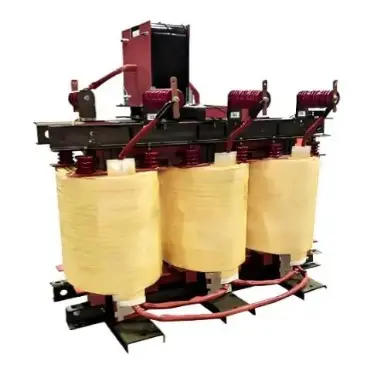
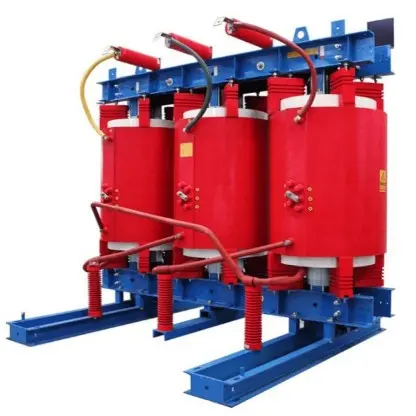
Transformers are available in open-type (without protective enclosure) and enclosed-type (with protective housing) configurations. They are typically transported by rail, sea, or road, and may be shipped either partially disassembled (e.g., on-load tap changers, temperature controllers, cooling units, and enclosures packed separately) or fully assembled within a shipping crate.
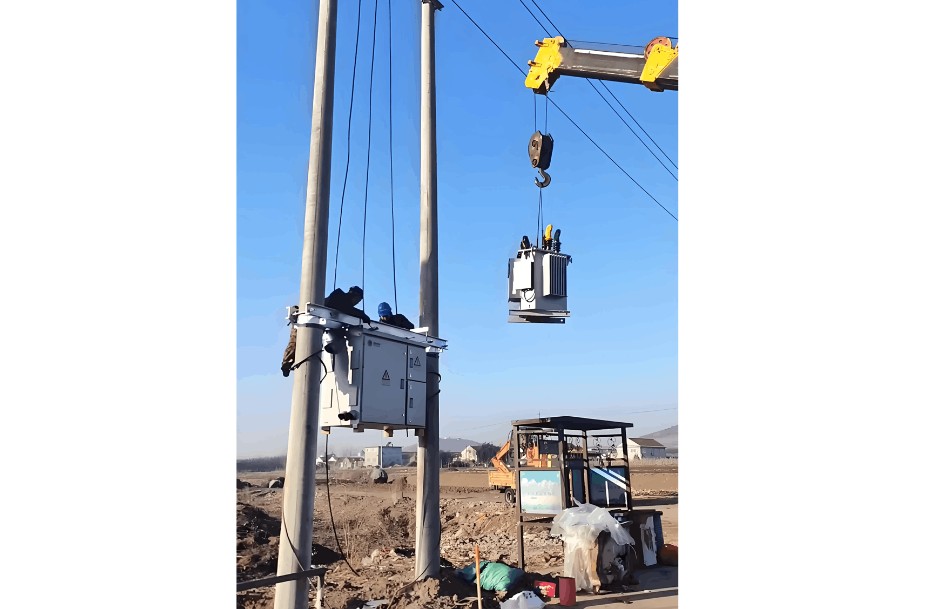
For crated units, lifting slings should be attached to the four bottom corners of the crate. When lifting from open packaging, use dedicated lifting equipment. A trial lift of 100–150 mm is recommended prior to full hoisting to verify stability and detect any abnormalities.
Avoid transport routes with inclines exceeding 15°. Position the transformer’s center of gravity along the vehicle’s vertical centerline to ensure even load distribution. Securely fasten the unit to the vehicle to prevent shifting or tipping, aligning the transformer’s long axis with the direction of travel.
Pre-Installation Visual Inspection
After unpacking, remove protective covers and inspect the unit’s external condition. Pay close attention to the mechanical integrity of windings and core, the tightness of clamping structures, and the condition of connection bolts.
Re-tighten all fasteners and compression points on windings and core in sequence to ensure no looseness.
Clean the surface using dry compressed air or a clean, lint-free cloth to remove dust and debris.
If the transformer has been in storage for an extended period and shows signs of moisture or condensation, perform drying treatment until the winding insulation resistance meets acceptable standards.
Pre-Commissioning Checks
Measure the DC resistance of high- and low-voltage windings and verify results against factory test certificate values.
Inspect core grounding for reliability and ensure no foreign objects are creating unintended electrical paths.
Perform insulation resistance tests to confirm dielectric integrity.
Network Connection and Operation
Prior to full commissioning, operate the transformer under no-load conditions. After three energizing and de-energizing cycles, inspect and fine-tune the protection systems.
At the factory, the high-voltage tap changer is set to the rated position. If voltage adjustment is required during operation, it must be performed in accordance with the nameplate-specified rated tap voltage (off-circuit regulation) and only after the transformer has been completely de-energized.