• Product
  • Suppliers
  • Manufacturers
  • Solutions
  • Free tools
  • Knowledges
  • Experts
  • Communities
Search


How to Inspect an Electrical Room: Complete Checklist

Felix Spark
Field: Failure and maintenance
China

Electrical Room Inspection: Content and Precautions

The electrical room is a critical facility for power equipment, responsible for power supply, distribution, and energy output. Therefore, regular inspection of the electrical room is an essential task.

1. Electrical Room Inspection Content:

  • Check the operation and lock of entry/exit doors, ensure door gaps are tight, and verify the floor is level and free of obstructions.

  • Monitor the room’s temperature, humidity, and odor to ensure environmental conditions are normal and free of burning or insulation smells.

  • Inspect the operating status of distribution panels, fuse boxes, relays, switches, terminal blocks, meters, and cables. Pay special attention to plug and socket contact quality, and check for signs of leakage, overheating, or overloading.

  • Verify the integrity of cable pathways, labeling, electrical grounding systems, and lightning protection devices.

  • Check that lighting fixtures and safety warning signs are functional, unobstructed, and clearly visible.

  • Inspect fire protection equipment—including fire hydrants, fire extinguishers, and automatic sprinkler systems—to ensure they are in good working condition.
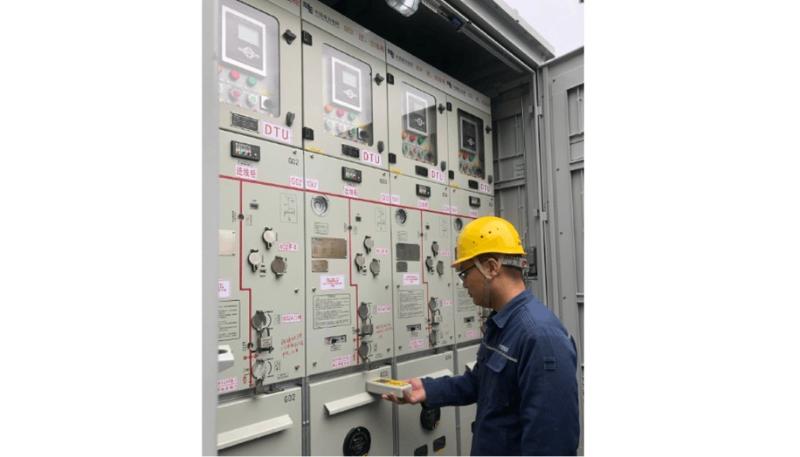
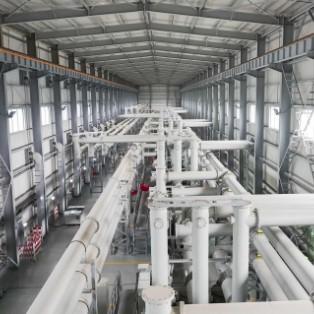
electrical room.jpg

2. Electrical Room Inspection Precautions:

  • Before inspection, confirm that all necessary tools are available and in good condition, such as multimeters, clamp meters, and insulated gloves.

  • During inspection, carefully observe equipment conditions—check for hot terminals, abnormal noises, or unusual vibrations.

  • When inspecting distribution panels or other equipment, ensure safety during disassembly or cleaning. Always wear insulated gloves and use non-conductive tools.

  • Promptly record and address any issues found. Immediately shut down and repair equipment posing potential safety hazards.

  • After inspection, organize records and develop improvement plans to enhance the management and maintenance of the electrical room.

In summary, electrical room inspections are vital for preventing accidents and equipment failures, ensuring both personnel and power system safety. Inspections must be conducted strictly according to established procedures, with strong emphasis on personal safety and equipment protection.
Give a tip and encourage the author!

Recommended

Power transformers Insulation Resistance & Dielectric Loss Analysis
1 IntroductionPower transformers are among the most critical equipment in power systems, and it is essential to maximize prevention and minimize the occurrence of transformer failures and accidents. Insulation failures of various types account for more than 85% of all transformer accidents. Therefore, to ensure safe transformer operation, regular insulation testing of transformers is necessary to detect insulation defects in advance and promptly address potential accident hazards. Throughout my
12/22/2025
Avoid H59 Transformer Failure with Proper Inspection & Care
Measures to Prevent H59 Oil Immersed Power Distribution Transformer from Burning OutIn power systems, H59 Oil Immersed Power Distribution Transformer play an extremely critical role. Once burned out, they can cause widespread power outages, directly or indirectly affecting the production and daily lives of a large number of electricity users. Based on the analysis of multiple transformer burnout incidents, the author believes that a considerable number of such failures could have been avoided or
12/06/2025
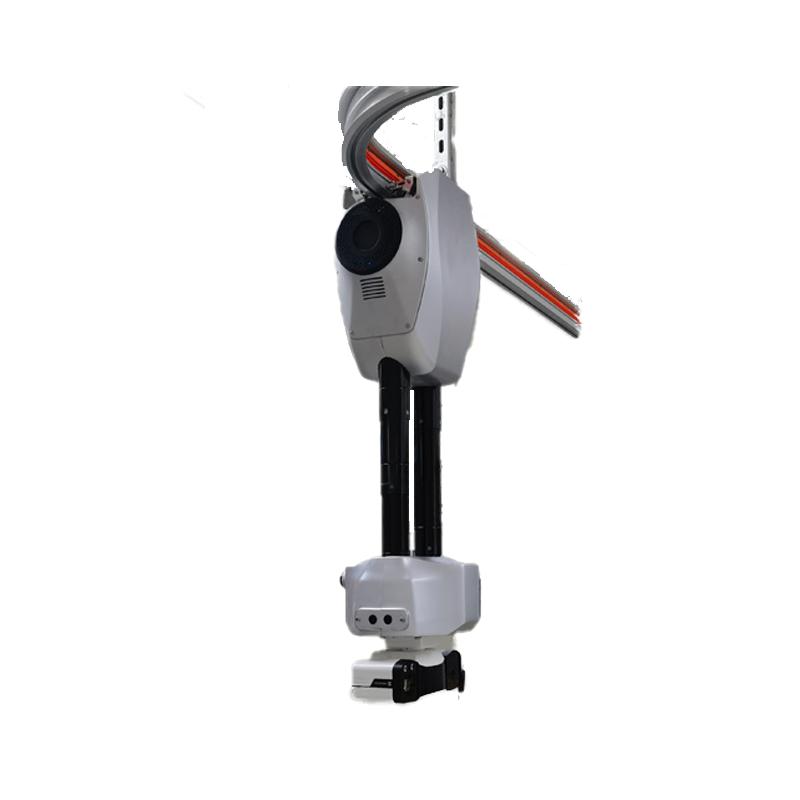
First Fully Unmanned GIS Inspection at ±800kV UHV Station
On October 16, a ±800 kV ultra-high-voltage (UHV) transmission project completed all its maintenance tasks and was fully re-energized. During this period, a regional power company successfully conducted the first-ever fully unmanned inspection of the GIS (Gas-Insulated Switchgear) room at a UHV converter station within this power system.As a key component of China’s “West-to-East Power Transmission” strategy, the ±800 kV UHV project has been in operation since 2016 and has delivered nearly 400 b
11/21/2025
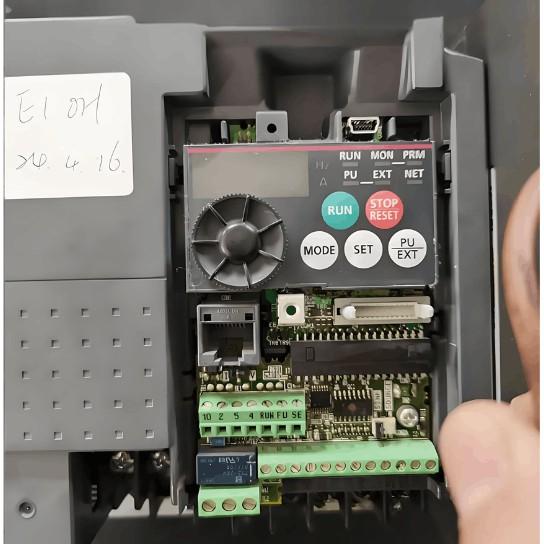
What Are the Common Inverter Fault Symptoms and Inspection Methods? A Complete Guide
Common inverter faults mainly include overcurrent, short circuit, ground fault, overvoltage, undervoltage, phase loss, overheating, overload, CPU malfunction, and communication errors. Modern inverters are equipped with comprehensive self-diagnostic, protection, and alarm functions. When any of these faults occurs, the inverter will immediately trigger an alarm or shut down automatically for protection, displaying a fault code or fault type. In most cases, the fault cause can be quickly identifi
11/04/2025
Related Products
Send inquiry
+86
Click to upload file
Download
Get the IEE Business Application
Use the IEE-Business app to find equipment, obtain solutions, connect with experts, and participate in industry collaboration anytime, anywhere—fully supporting the development of your power projects and business.