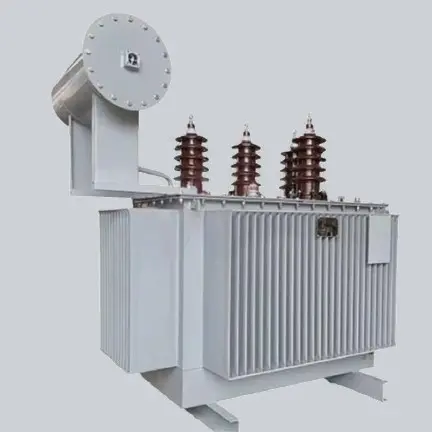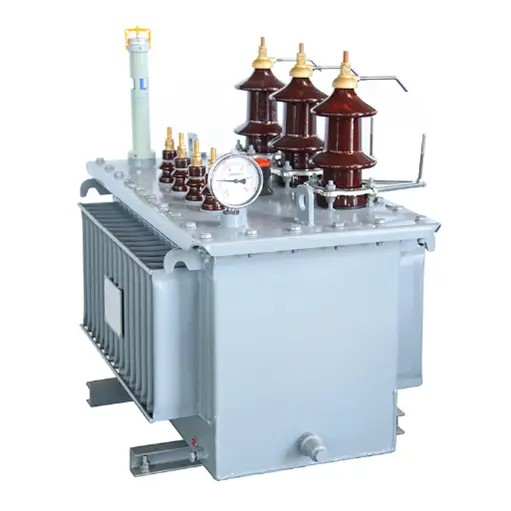
1. Zero-Sequence Overcurrent Protection
The operating current for zero-sequence overcurrent protection of grounding transformers is typically determined based on the transformer's rated current and the maximum allowable zero-sequence current during system ground faults. The general setting range is approximately 0.1 to 0.3 times the rated current, with operating time usually set between 0.5 to 1 second to quickly clear ground faults.
2.Overvoltage Protection
Overvoltage protection is a critical component of grounding transformer protection configuration. For ungrounded neutral systems, when a single-phase ground fault occurs, the voltage of sound phases will rise. The overvoltage protection setting value is generally set at 1.2 to 1.3 times the rated phase voltage to prevent transformer insulation damage from overvoltage conditions.
3.Differential Protection
Differential protection for grounding transformers can effectively distinguish between internal and external transformer faults. The calculation of differential protection operating current must consider factors such as transformer turns ratio and unbalanced current. It is typically set to avoid magnetizing inrush current during transformer energization, approximately 2 to 3 times the rated current.
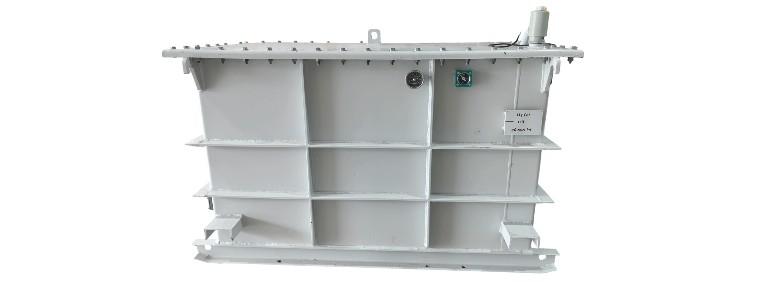
4.Overcurrent Protection
Overcurrent protection serves as backup protection for grounding transformers. The operating current must avoid the transformer's maximum load current, typically set at 1.2 to 1.5 times the rated current. Operating time is determined based on coordination with upstream and downstream protection devices, generally ranging from 1 to 3 seconds.
5.Zero-Sequence Overvoltage Protection
Zero-sequence overvoltage protection primarily addresses abnormal increases in zero-sequence voltage in the system. Its setting value is determined based on normal zero-sequence voltage fluctuation range during system operation, typically 15 to 30V (secondary side), with operating time generally set between 0.5 to 1 second.
6.Temperature Protection
Temperature protection is crucial for ensuring safe operation of grounding transformers. Resistance temperature detectors (RTDs) or thermocouples are typically used to measure transformer oil and winding temperatures. When oil temperature exceeds 85°C or winding temperature exceeds 100°C, an alarm signal is issued. When exceeding higher set values (oil temperature 95°C, winding temperature 110°C), the protection trips the circuit breaker.
7.Negative-Sequence Current Protection
For grounding transformers, negative-sequence current protection is also an important configuration. The negative-sequence current setting value is determined based on the transformer's capability to withstand negative-sequence current, generally 0.05 to 0.1 times the rated current, to protect the transformer from negative-sequence current effects caused by asymmetrical faults.
8.Over-Excitation Protection
Over-excitation protection is indispensable in grounding transformer protection systems. The over-excitation multiple is typically determined based on the transformer core's saturation characteristics, usually set at 1.1 to 1.2 times rated. When over-excitation occurs, the protection promptly operates to safeguard the equipment.
9.Buchholz Relay Protection (Light Gas)
Light gas protection for grounding transformers activates when minor internal faults occur, producing small amounts of gas that accumulate in the Buchholz relay, causing the oil level to drop. When the oil level drops to a certain degree (typically 25-35mm), the light gas protection operates to send an alarm signal, alerting maintenance personnel to investigate.
10.Buchholz Relay Protection (Heavy Gas)
Heavy gas protection is a critical defense line for grounding transformer protection. When serious internal faults occur in the transformer, producing large amounts of gas and oil flow that impact the Buchholz relay, the heavy gas protection operates to trip the circuit breaker. Its operating flow velocity is generally set between 0.6 to 1 m/s.